

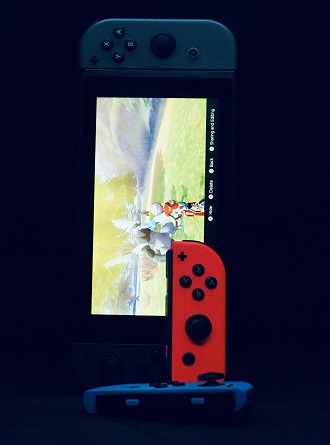
The evolution of video games from an obscure hobby to a dominant form of entertainment has significantly transformed the landscape of modern culture. In the early days, video games were primarily regarded as niche activities, appealing mainly to children and tech enthusiasts. However, over the last few decades, this perception has shifted dramatically. Video games have carved out their space in mainstream media, attracting a diverse audience that spans various age groups, genders, and backgrounds. This prominence can be attributed to several factors. One of the most notable is the increase in accessibility of gaming devices. With the advent of smartphones and affordable gaming consoles, more individuals can join the gaming community. This accessibility has led to widespread participation, fostering a sense of community among gamers that transcends geographical boundaries. Online multiplayer platforms, in particular, have enhanced social interactions, allowing players to connect, collaborate, and compete with others from around the world.
Moreover, the representation of video games in traditional media has played a critical role in legitimizing gaming culture. Influences from films, television, and esports have contributed to the growing acceptance of video games in popular culture. With films like “The Witcher” and successful esports tournaments gaining substantial viewership, these influences have elevated gaming from a pastime to a recognized cultural phenomenon. Additionally, mainstream media coverage has highlighted the positive aspects of gaming, such as teamwork, strategic thinking, and problem-solving skills, which further solidifies its place in societal norms. As a result, video games are now celebrated not only as a form of entertainment but also as a platform for creativity and social engagement.
Technological Advances and Accessibility
The world of video gaming has undergone a significant transformation due to technological advances that enhance both accessibility and gameplay experience. One of the most notable improvements is in graphics technology, where the evolution from pixelated images to hyper-realistic rendering has created visually stunning environments that immerse players in their virtual worlds. High-definition displays, along with advancements in graphical processing units (GPUs), allow for more detailed and expansive gaming landscapes, attracting a broader audience.
Additionally, the rise of mobile gaming has played a crucial role in expanding access to gaming. Smartphones and tablets have become ubiquitous, providing users with the capability to enjoy games anytime and anywhere. This shift has opened up new possibilities for casual gaming, allowing individuals who may not have traditional gaming consoles or PCs to engage in gaming activities. Mobile platforms have made it easier than ever to reach a diverse demographic, including those who previously may not have identified as gamers.
The expansion of gaming platforms has further contributed to the growth of the gaming community. Cross-platform capabilities enable players on different devices to connect and participate in shared gaming experiences. Cloud gaming services allow gamers to play high-quality games without the need for expensive hardware, as the processing is managed on remote servers. This democratization of gaming technology plays a vital role in removing barriers to entry, ensuring that more individuals can join the gaming fraternity. As a result, the accessibility of video games has increased, and their popularity has surged, leading to a more vibrant and inclusive gaming landscape.
The Social Aspect of Gaming
Video games have transcended their status as mere forms of entertainment to become significant social platforms. The advent of online multiplayer games has revolutionized how players interact, enabling them to connect with friends and strangers alike from all corners of the globe. This connectivity fosters friendships that might not have been possible in a traditional setting, reflecting the evolving nature of social relationships in the digital age.
Many online multiplayer platforms have introduced various mechanisms to encourage social interactions. Players can form teams, communicate via voice and text chat, and engage in cooperative missions. Games such as Fortnite or Call of Duty allow players to engage in scenarios that require teamwork, ultimately strengthening bonds through shared experiences. Through these platforms, gamers cultivate a sense of belonging, reminiscent of community engagement in physical spaces.
Furthermore, social media plays a crucial role in connecting gamers. Platforms like Twitch and YouTube enable players to share their gaming experiences, broadening the community’s reach. Gamers can watch live streams, participate in discussions, and celebrate each other’s achievements. These interactive features turn passive viewing into active participation, creating a vibrant community focused on collaboration and mutual interests.
The social dynamics fostered by gaming are not limited to the virtual environment; they often spill over into real life. Many players form lasting friendships, attend gaming conventions, and collaborate on content creation. This multifaceted approach to socialization highlights how video games can serve as a bridge between individuals, promoting not only entertainment but also essential social connections. As a result, the social aspect of gaming has become a cornerstone of its popularity, appealing to a diverse audience seeking community and camaraderie.
Diverse Gaming Demographics
The landscape of video gaming has witnessed a significant transformation in recent years, leading to a more diverse population of gamers than ever before. Today, individuals of various ages, genders, and cultural backgrounds are engaging with video games, fostering an inclusive environment that attracts a wider audience. This diversity is not only pivotal for the industry’s growth but also enriches the gaming experience itself, making it more relatable and engaging for a broad spectrum of players.
Historically, video gaming was often stereotyped as an activity primarily enjoyed by young males. However, recent studies have debunked this myth, revealing that the demographics of gamers are much more varied. According to research, approximately 41% of gamers are women, indicating a notable shift towards gender inclusivity within the gaming community. This shift has encouraged game developers to create content that resonates with different identities and experiences, enhancing the appeal of video games to a broader audience.
Moreover, age diversity among gamers is distinctly evident, as individuals aged 35 and over constitute a significant portion of the gaming population. The availability of a wide range of genres, from casual mobile games to immersive role-playing titles, enables people of varying ages to find something that suits their interests and skill levels. Cultural representation in game narratives has also become increasingly important, with an emphasis on creating authentic experiences that reflect the varied backgrounds of players worldwide.
In conclusion, the growing diversity of gaming demographics highlights the industry’s commitment to inclusivity. By recognizing and valuing the unique perspectives of different players, the gaming community continues to expand, ultimately leading to the heightened popularity of video games across all segments of society.
The Rise of Esports
The phenomenon of esports has transformed the landscape of video gaming, marking a significant evolution in how games are perceived and engaged with by millions worldwide. This rise in competitive gaming can be attributed to several factors, including the professionalization of gaming, the establishment of tournaments, and the influx of sponsorships from reputable brands. As a result, esports has attracted a diverse audience, contributing to the surging popularity of competitive gaming.
The professionalization of gaming has led to the emergence of skilled players who dedicate their time and effort to mastering specific games, similar to traditional sports athletes. This shift has paved the way for organized leagues and tournaments, creating structured environments for competitions. Events such as The International for Dota 2 and the League of Legends World Championship not only showcase top talent but also offer substantial prize pools that incentivize players to compete at higher levels.
Sponsorships play a crucial role in the rise of esports. Major brands recognize the vast reach and engagement opportunities within the gaming community. By aligning themselves with esports teams and events, companies can effectively tap into a passionate fan base. This financial support has allowed for greater investment in esports infrastructure, including training facilities, coaching staff, and promotional efforts, further strengthening the competitive gaming ecosystem.
Moreover, the accessibility of online streaming platforms, such as Twitch and YouTube, has further propelled the visibility of esports. By enabling fans to watch live competitions and stay updated on their favorite teams and players, these platforms have created a vibrant community around esports culture. As a result, the combination of professionalism, sponsorships, and digital engagement has led to an unprecedented increase in the popularity of competitive gaming, positioning esports as a dominant force in the entertainment industry.
Innovative Storytelling in Games
Video games have evolved significantly over the years, particularly in the arena of storytelling. While traditional media such as literature and film have long been revered for their narrative depth, video games are increasingly pushing the boundaries of storytelling by offering immersive narratives that engage players in unique ways. The interactive nature of games creates a platform where players evolve from passive observers to active participants, influencing plots and characters through their choices.
One of the primary ways video games achieve rich storytelling is through character development and dynamic narrative arcs. Unlike linear storylines in movies, many games feature branching narratives that change based on the player’s decisions. This level of engagement allows players to form emotional connections with characters, making their journey through the game more personal and impactful. Examples of this can be seen in acclaimed games such as “The Witcher 3: Wild Hunt” and “Life is Strange,” where choices significantly affect the outcome of the story.
Moreover, the integration of environmental storytelling adds another layer to narrative complexity. Game developers utilize detailed worlds, symbols, and environmental cues to convey backstory and lore without relying solely on dialogue. This method encourages exploration and discovery, further immersing players in the game’s universe. In titles like “Dark Souls” and “Hollow Knight,” players uncover stories through items, locations, and subtle hints scattered throughout the environment, fostering a deeper engagement with the overall narrative.
In summary, innovative storytelling in video games transcends traditional narrative forms, offering players interactive experiences that enhance engagement and emotional resonance. The convergence of interactivity, character depth, and environmental storytelling positions video games as a formidable medium for narrative delivery, comparable to, and sometimes exceeding, that of traditional forms of media.
The Influence of Streaming Platforms
The rise of streaming platforms such as Twitch and YouTube has significantly reshaped the gaming landscape over the past decade. These platforms offer not only a venue for gameplay broadcasting but also a stage for community engagement and interaction. By allowing gamers to showcase their skills in real-time, they have created a dynamic environment where viewers can participate directly, influencing their perceptions and interest in various video games.
Live streaming brings an unparalleled level of intimacy between the streamer and their audience. Gamers can engage with their audiences through chat interactions, which can lead to a heightened sense of community. This interactive experience often translates into increased interest in the games being featured, as fans flock to watch their favorite content creators play new or popular titles. Consequently, this can significantly boost game sales, as potential players are motivated by the excitement of seeing others play.
Furthermore, the influence of content creators extends beyond mere entertainment. They often serve as informal reviewers and brand ambassadors for numerous games. By providing gameplay insights, tips, and critiques, streamers can shape public perception around gaming titles and genres. This significant communication channel facilitates a deeper understanding of the gaming products, which can directly affect purchasing decisions. As a result, game developers and marketers are increasingly leveraging these influencers to market their products, leading to strategic collaborations that enhance visibility.
In summary, the impact of streaming platforms extends far beyond entertainment; they have revolutionized the way gamers interact with video games, ultimately driving sales and fostering community relationships. As this trend continues to grow, the symbiotic relationship between game developers, content creators, and audiences will be vital in determining the future trajectory of the gaming industry.
The Impact of COVID-19
The COVID-19 pandemic has fundamentally altered many aspects of daily life, including how individuals engage with entertainment and leisure activities. With widespread lockdowns and social distancing measures in place, people found themselves spending considerably more time at home. As traditional avenues for socialization were curtailed, video games emerged as a crucial medium for both entertainment and social interaction. This shift resulted in an unprecedented surge in gaming popularity.
Video games provided a sense of normalcy amidst the chaos, offering immersive environments that allowed players to escape reality temporarily. The initial wave of lockdowns led to numerous reports of increased gaming hours, with many individuals turning to their consoles, PCs, or mobile devices for diversion. Titles that facilitated multiplayer experiences enabled friends and families to connect regardless of physical distance, fostering a sense of community in a time of isolation.
Moreover, the gaming industry capitalized on this increased demand by expanding their offerings. Many game developers and publishers released new titles or updated existing ones, often providing free access to encourage engagement. This created a larger influx of both casual and dedicated gamers, who began exploring genres they might not have previously considered. In essence, gaming became not just a hobby but an integral part of daily life for many during the pandemic.
As entertainment alternatives declined, the appeal of video games grew, and they became a vital source of joy and connection. The pandemic has undoubtedly reshaped how society perceives gaming, highlighting its potential as a valuable outlet for stress relief and social engagement. The legacy of COVID-19 only intensifies the evolving nature of gaming and its role within modern culture.
Future Trends in Video Gaming
The video gaming industry is on the cusp of a transformation, propelled by rapid advancements in technology and shifts in cultural dynamics. One of the most significant trends is the rise of augmented reality (AR) and virtual reality (VR). These technologies are creating immersive experiences that blur the lines between the digital and the physical worlds. As hardware becomes more affordable and software more sophisticated, we can anticipate a surge in games that utilize AR and VR, allowing players to engage with environments and characters in unprecedented ways.
Moreover, cloud gaming is poised to revolutionize how games are distributed and played. With platforms like Google Stadia and NVIDIA GeForce Now, gamers can enjoy high-quality gaming experiences without the need for expensive hardware. This democratization of gaming access is likely to lead to an increase in the player base, as individuals can engage with video games from various devices, eliminating the barriers posed by traditional console or PC gaming.
Another noteworthy trend is the ongoing integration of artificial intelligence (AI) within gaming. AI can enhance user experiences by personalizing gameplay and creating more adaptive, lifelike non-player characters (NPCs). As AI technology progresses, it will enable more complex narrative structures and gameplay mechanics, fostering deeper emotional connections between players and games.
Finally, the gaming community is becoming increasingly vital to the industry’s evolution. Social gaming platforms and live streaming services allow gamers to interact and share experiences in real time, paving the way for a community-driven approach to game development. Through platforms like Twitch and Discord, developers can gather feedback directly from players, making the gaming experience more collaborative.
In conclusion, the future of video gaming is bright and filled with exciting possibilities. With emerging technologies like AR, VR, cloud gaming, and AI, the landscape of video gaming is set to evolve rapidly, reflecting changes in both technology and culture. As these trends converge, they will undoubtedly shape an ever more engaging and accessible gaming environment for everyone.