

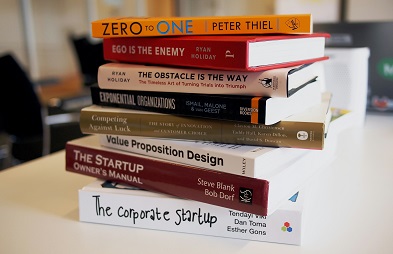
Entrepreneurship is a dynamic process of creating, developing, and managing a business venture with the aim of realizing a profit. It encompasses not only the conception of a business idea but also the execution and management of the necessary resources to see that idea flourish. In the realm of entrepreneurship, billionaires stand out as particularly instructive case studies due to their substantial achievements and impactful innovations. The journeys of billionaire entrepreneurs provide valuable insights into the mindset, strategies, and approaches that can lead to extraordinary levels of success.
Billionaires are often perceived as the epitome of success within the entrepreneurial landscape. Their experiences exemplify the potential for transformative ideas and the capability of entrepreneurs to affect change on a global scale. This perception can be attributed to their ability to identify and seize market opportunities, often accompanied by a willingness to take calculated risks. Common traits among billionaire entrepreneurs include resilience, creativity, and a relentless pursuit of excellence, which contribute significantly to their ability to navigate the complexities of starting and nurturing businesses.
Their paths toward achieving billion-dollar status vary widely, yet they often share fundamental principles such as innovation, strategic planning, and a strong work ethic. Driven by a clear vision, many billionaires have innovated processes or created products that meet critical needs or desires in the market, subsequently leading to their immense wealth. By examining the lives and careers of these influential figures, aspiring entrepreneurs can draw lessons that transcend industries and business models, thus gaining a deeper understanding of what it takes to succeed in today’s competitive environment. In this blog post, we will explore key entrepreneurship lessons derived from the experiences of billionaires, emphasizing their significance in shaping successful business practices.
Lesson 1: Embracing Risk
Throughout their careers, billionaires have often exemplified the significance of embracing risk as a critical element of entrepreneurial success. The journey to immense wealth and influence is rarely without its uncertainties, and many of the world’s billionaires have navigated these waters through calculated decisions that ultimately propelled their ventures to success.
Take Elon Musk, for instance; his decision to launch SpaceX in 2002 was fraught with risk. At the time, the aerospace industry was predominantly dominated by established entities, and entering this market with a new approach raised numerous barriers. However, Musk’s determination to pursue innovation in space travel led to groundbreaking successes, including the first privately funded spacecraft to reach orbit, profoundly altering the industry landscape. This example demonstrates that stepping outside one’s comfort zone can yield remarkable results.
Similarly, Richard Branson, the founder of the Virgin Group, embodies the spirit of risk-taking. Branson has consistently ventured into various sectors, from music to airlines to space travel. Each venture involved significant risk, yet his methodology included thorough research and a clear understanding of the market dynamics. By weighing potential outcomes against the risks, he has successfully expanded Virgin into a diverse portfolio of companies.
Moreover, the experiences of these billionaires suggest that risk-taking should not be seen as reckless abandonment of safety. Instead, it should be viewed as an essential component of strategic growth. By embracing risk, entrepreneurs can explore new ideas and foster innovation while reinforcing their commitment to achieving long-term goals. This lesson underscores that embracing risk can lead to unprecedented opportunities and ultimately pave the way for significant achievements in entrepreneurship.
Lesson 2: Importance of Innovation
Innovation is a cornerstone of success in the entrepreneurial landscape, particularly for billionaires who have demonstrated the capability to disrupt traditional industries. In today’s fast-paced world, merely settling for the status quo can lead to stagnation, making it essential for entrepreneurs to embrace creativity and forward-thinking approaches. The success stories of billionaires such as Elon Musk, Steve Jobs, and Jeff Bezos serve as notable examples of how innovation can redefine markets and create new opportunities.
Elon Musk, the CEO of Tesla and SpaceX, has transformed the automotive and aerospace industries through his relentless pursuit of cutting-edge technology and alternative energy solutions. By spearheading the development of electric vehicles and reusable rockets, Musk has not only fostered environmental sustainability but has redefined consumer expectations. His willingness to challenge norms and invest in groundbreaking ideas illustrates the profound impact innovation can have on an industry.
Similarly, Steve Jobs, co-founder of Apple Inc., revolutionized the way consumers interact with technology. Through the introduction of the iPhone and other innovative products, Jobs transformed the telecommunications and computing sectors, setting new standards for design and functionality. His vision of an integrated user experience was groundbreaking, and it highlighted how innovation combined with effective marketing can lead to unmatched success.
Jeff Bezos also exemplifies the importance of innovation in entrepreneurship. Through the establishment of Amazon, he disrupted conventional retail with a customer-centric approach and technological advancements in e-commerce. Be it through Prime membership benefits or innovations in logistics and delivery, Bezos has consistently pushed the envelope, demonstrating how an innovative mindset is integral for growth.
By fostering an environment that encourages creativity and embraces new ideas, aspiring entrepreneurs can cultivate a spirit of innovation within their ventures. Recognizing that change is constant, entrepreneurs must remain adaptable and proactive in their approach, paving the way for successful disruptions in their respective fields.
Building a Strong Network
In the realm of entrepreneurship, the importance of building a strong network cannot be overstated. Billionaires often attribute a significant portion of their success to the relationships they cultivate and maintain over time. Networking extends beyond mere socializing; it involves forming strategic connections that can lead to valuable insights, partnerships, and opportunities.
Billionaires understand that their networks can provide them with diverse perspectives on market trends and business strategies. By engaging with fellow entrepreneurs, industry leaders, and even competitors, they gain access to a wealth of information that can shape their decision-making processes. This exchange of ideas often sparks innovation, enabling entrepreneurs to refine their operations and improve their offerings.
Moreover, a robust network can serve as a platform for collaboration. Many billionaires recognize the potential of partnering with other businesses or entrepreneurs to create synergies that benefit all parties involved. These collaborations can result in access to new markets, shared resources, and the pooling of expertise, all of which can accelerate growth and profitability. For instance, by leveraging relationships within their networks, entrepreneurs can find co-founders, investors, or mentors who provide critical support in their ventures.
Additionally, a strong network can act as a safety net during challenging times. In times of uncertainty or crisis, having a group of trusted contacts allows entrepreneurs to reach out for advice, resources, and support. This communal spirit fosters a sense of belonging and trust, which can be invaluable when navigating the complexities of business ownership. Ultimately, recognizing the power of networking and strategically investing in relationships is one of the key lessons aspiring entrepreneurs can learn from billionaires.
Lessons on Adaptability and Resilience from Billionaires
In the world of entrepreneurship, adaptability and resilience emerge as critical traits for success. Many billionaires have confronted significant challenges throughout their careers; how they navigated these obstacles offers invaluable insights for aspiring entrepreneurs. One notable example is Howard Schultz, former CEO of Starbucks. Schultz faced considerable skepticism in the early days of expanding Starbucks beyond the Pacific Northwest. However, he adapted his strategy by emphasizing customer experience and expanding the product range. This resilience allowed Starbucks to grow into a globally recognized brand.
Similarly, Jeff Bezos, the founder of Amazon, illustrates the importance of flexibility in business. After facing tremendous criticism during the burst of the dot-com bubble in the early 2000s, Bezos remained steadfast, transforming Amazon from an online bookstore to a comprehensive e-commerce platform. His ability to pivot not only secured Amazon’s survival but also positioned it for remarkable growth in various sectors, including cloud computing and entertainment.
Oprah Winfrey’s journey also exemplifies adaptability and resilience. Overcoming numerous personal and professional hurdles, including early career setbacks, Winfrey showcased her ability to adapt by diversifying her brand, which now encompasses television, publishing, and philanthropy. Her story teaches that setbacks are not failures but opportunities to rethink and refine one’s approach.
These examples highlight that adaptability involves more than mere reaction to obstacles; it requires an ongoing commitment to learning and innovation. Resilience enables entrepreneurs to sustain their vision through adversity, reflecting a crucial lesson: success often follows those who remain agile and persistent in their endeavors. By observing how these billionaires embraced challenges and leveraged their experiences, aspiring entrepreneurs can cultivate their own capacity for adaptability and resilience.
Lesson 5: Focus on Customer-Centric Practices
In the realm of entrepreneurship, understanding and valuing customers is pivotal for success. Billionaires such as Jeff Bezos, the founder of Amazon, exemplify customer-centric practices by continually prioritizing customer needs and preferences. This approach not only fosters customer loyalty but also drives business innovation and growth. Billionaires recognize that to thrive in a competitive market, they must continually adapt their offerings based on comprehensive customer feedback.
Moreover, a customer-focused mindset leads to the development of products and services that genuinely resonate with target audiences. For instance, Elon Musk, CEO of Tesla, has emphasized the importance of integrating customer feedback into product development. By actively listening and responding to customer input, companies can create solutions that effectively address real problems rather than just speculative ideas. This method amplifies customer satisfaction and enhances brand reputation.
Additionally, employing customer-centric practices is critical for sustainable success. Entrepreneurs who value customer relationships are more likely to cultivate lifelong patrons, thus ensuring a steady revenue stream. Establishing channels for customer feedback—be it through surveys, social media interactions, or user reviews—enables entrepreneurs to tweak their strategies continually. This proactive engagement illustrates a genuine concern for customer experience, which is increasingly vital in today’s digital and interconnected market.
Ultimately, prioritizing the customer experience can set one apart from competitors, leading to unique selling propositions that draw customers in rather than push them away. As evidenced by the principles employed by billionaires, a strong focus on customer-centric practices is not merely beneficial but essential for achieving enduring entrepreneurial success.
Financial Literacy and Management in Entrepreneurship
Financial literacy serves as a foundational pillar in the realm of entrepreneurship, especially when examining the practices of billionaires. Understanding financial principles and managing resources effectively are critical skills that contribute to their notable success. These individuals often possess an acute awareness of their financial environments, enabling them to navigate the complexities of investments and budget management efficiently.
A key component of financial literacy is the ability to interpret financial statements, such as balance sheets and income statements. Billionaires meticulously analyze these documents to assess their business’s performance and to make informed decisions. For instance, they keep a close eye on profit margins, debt levels, and cash flow, which are essential indicators of financial health. By understanding these metrics, they can identify potential areas for improvement and capitalize on growth opportunities.
Furthermore, billionaires frequently engage in strategic investment management. They diversify their investment portfolios to mitigate risks while remaining focused on long-term financial objectives. This often involves allocating resources across various asset classes including stocks, real estate, and startups, among others. By being well-versed in market trends and economic indicators, these entrepreneurs can make timely investment decisions that align with their overarching wealth-building strategies.
Additionally, effective budgeting is another hallmark of successful financial management practiced by billionaires. They establish clear budgeting frameworks that define resource allocation based on identified priorities. This methodical approach ensures that funds are utilized efficiently, allowing for both operational sustainability and innovation investments.
In summary, financial literacy and management form the backbone of entrepreneurship among billionaires. By mastering these elements, they not only enhance their decision-making processes but also pave the way for sustained wealth accumulation. As aspiring entrepreneurs observe and learn from these practices, they, too, can harness the power of financial acumen to achieve their business goals.
Lesson 7: Vision and Long-Term Planning
One of the most vital entrepreneurship lessons gleaned from billionaires is the significance of possessing a clear vision accompanied by effective long-term planning. A well-defined vision serves as a guiding star, influencing every decision and strategy employed in business. Many billionaires have demonstrated that understanding where one wants to go is as important as knowing how to get there. Entrepreneurs who have embraced this lesson have been able to marshal resources, talents, and strategies effectively, ensuring that their ventures evolve in alignment with their ultimate goals.
Moreover, long-term planning aids in establishing realistic and actionable goals that can be achieved through a structured approach. It enables entrepreneurs to anticipate potential hurdles and devise contingency plans to mitigate risks. For instance, successful billionaires often emphasize the importance of strategic foresight. They outline comprehensive plans that encompass not just immediate financial returns but also sustainable growth trajectories that account for changing market dynamics. This holistic perspective is instrumental in thriving amid competition and market volatility.
Additionally, maintaining focus on long-term goals facilitates resilience during challenges. The journey of entrepreneurship is fraught with obstacles, and having a clear vision allows business leaders to remain steadfast in their mission, motivating both themselves and their teams. Billionaires often manifest this trait, showing exceptional perseverance driven by their ultimate objectives. This passion for long-term success transcends temporary setbacks, underscoring the importance of vision as a bedrock for formidable entrepreneurship.
Ultimately, adopting a visionary outlook combined with meticulous long-term planning is not merely beneficial but essential for entrepreneurs aiming for remarkable success. As demonstrated by many billionaires, those who can articulate a compelling vision and translate it into actionable strategies are better positioned to achieve enduring success in their ventures.
Conclusion: Applying Billionaire Lessons to Your Entrepreneurial Journey
Throughout this blog post, we have explored various insightful lessons from billionaires that can be pivotal in shaping the path of aspiring entrepreneurs. These self-made billionaires, renowned for their innovative approaches and strategic foresight, teach us valuable principles that can be applied even on a smaller scale. These lessons include the importance of resilience, the willingness to take calculated risks, and the necessity of continual learning and adaptation in an ever-evolving market.
As you embark on your entrepreneurial journey, consider how you can incorporate these insights into your business practices. For instance, resilience can enable you to overcome challenges and setbacks, which are inevitable in any entrepreneurial endeavor. Implementing a mindset that embraces failure as a learning opportunity rather than a deterring factor can position you for long-term success.
Moreover, being proactive in your decision-making process, much like the Billionaire Entrepreneurs we studied, can open up opportunities for you to innovate. Risk-taking is a crucial aspect of entrepreneurship that allows for growth and exploration, pushing boundaries to discover what is possible. Additionally, committing to lifelong learning can provide you with the skills and knowledge necessary to stay relevant and competitive in your field.
While it is essential to acknowledge the unique circumstances and resources that billionaires often have at their disposal, the foundational lessons they provide are universally applicable. Whether you are starting a small business or aspiring to bring a groundbreaking idea to fruition, these lessons can guide you in cultivating your entrepreneurial spirit. Therefore, as you move forward, harness these principles to inspire your ventures and foster resilience in your pursuit of success.