

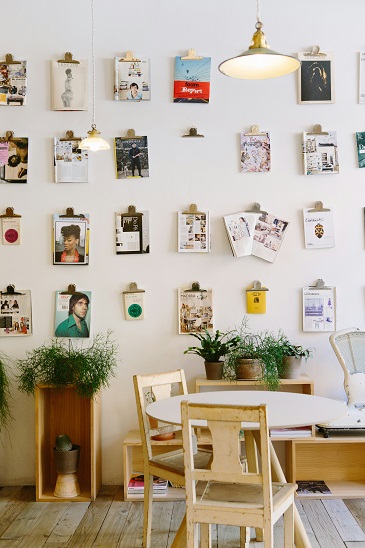
Living in a small space presents a unique set of challenges that can impact both functionality and aesthetics. A key limitation is the constrained square footage, which often results in a feeling of overcrowding or chaos if not addressed thoughtfully. Small space living typically require a more intentional layout to ensure that every square inch serves a purpose. Without sufficient room to maneuver, this can complicate decisions around furniture placement and accessory choices, making it essential to develop a creative approach to decor. Another common challenge in small spaces is the limited storage options available. With less physical room to work with, maximizing storage while maintaining an uncluttered appearance is crucial. This is often compounded by the need to keep frequently used items easily accessible, which can lead to a precarious balance between organization and aesthetics. Creative solutions, such as incorporating multifunctional furniture that offers storage, can significantly improve the efficiency of a small area.
Moreover, the constraints of a small space can affect natural light flow and color scheme options. Dark or overly bold colors can make an area feel smaller and more cramped, whereas lighter palettes can enhance a sense of openness. Additionally, the positioning of windows and other openings can limit light and warmth, compelling residents to think innovatively about how to brighten and enlarge their environment despite these hindrances.
Ultimately, understanding and acknowledging these challenges is the first step in transforming a small space into a functional and appealing environment. By approaching small space dilemmas with creativity and strategic planning, individuals can optimize both utility and beauty in their homes.
Embracing Minimalism
Minimalism is more than just an aesthetic; it is a lifestyle choice that offers a unique approach to decorating small spaces. By focusing on functionality and simplicity, minimalism can transform your limited square footage into an inviting and serene environment. The principles of minimalism revolve around the idea of keeping only what is necessary, making it an effective strategy for those looking to create a sense of openness amidst clutter.
One of the key strategies of minimalism is to keep only essential items that serve a purpose or bring joy. This means evaluating your belongings and making deliberate choices about what to keep. By eliminating unnecessary items, you can not only free up physical space but also cultivate a mental clarity that enhances your living experience. This process of decluttering is essential in small spaces where every square inch counts.
In terms of furnishings, opting for multi-functional pieces is a hallmark of minimalist decor. For instance, a stylish coffee table that doubles as storage or a bed with built-in drawers can minimize visual clutter while maximizing utility. Choosing furniture with clean lines and a neutral color palette can also contribute to the overall minimalist aesthetic, creating an illusion of spaciousness and tranquility. By selecting furnishings that harmonize with the minimalist ethos, you invite both elegance and practicality into your small space.
Additionally, the importance of decluttering cannot be overstated. Regularly assessing your space and removing items that do not serve a purpose helps maintain the minimalist decor style. Utilizing hidden storage solutions can help in keeping your living area organized while ensuring that your space remains visually appealing. By embracing minimalism, you can create an environment that not only feels larger but also promotes a calm and focused lifestyle.
Utilizing Multi-Functional Furniture
In the context of small spaces, the implementation of multi-functional furniture proves to be an invaluable resource. This type of furniture not only enhances the functionality of a room but also maximizes the utility of limited square footage. By incorporating pieces that serve more than one purpose, homeowners can effectively create a versatile environment that adapts to their varying needs.
One popular example of multi-functional furniture is the sofa bed. This dual-purpose piece can serve as a comfortable seating area during the day and can easily transform into a bed for overnight guests. Sofa beds can seamlessly fit into a living room or a home office, making them an excellent choice for those who need to balance comfort and functionality within small spaces.
Another notable inclusion is the ottoman with storage. Ottomans are not only stylish additions to a room but can also function as hidden storage solutions. They can hold blankets, magazines, or even toys, cleverly concealing clutter while providing additional seating or a footrest. This allows residents to maintain an organized and visually appealing environment.
Furthermore, foldable tables represent yet another exceptional example of multi-functional furniture. These tables can be expanded when needed for meals or work and conveniently folded away when not in use. This adaptability makes them ideal for dining areas or home offices where space is at a premium.
Incorporating multi-functional furniture into small spaces can lead to significant improvements in organization and style. By selecting furniture that serves multiple purposes, individuals can create an inviting atmosphere without compromising on space. This thoughtful approach to furnishing can elevate any small living area into a functional and attractive space.
Incorporating Vertical Space
When it comes to decorating small spaces, one of the most effective strategies is to make the most of vertical space. Utilizing the walls in a room can significantly enhance both functionality and aesthetics, transforming cramped quarters into organized and visually appealing environments. Wall-mounted storage solutions are particularly advantageous, as they do not occupy floor space while still providing ample room for essential items.
For instance, installing shelving units that extend upwards can offer a practical yet stylish way to display books, decor, or plants. Tall bookshelves not only serve as storage but also create an illusion of height, drawing the eye upwards and making the room feel more spacious. By filling these shelves with a variety of items, from books to decorative boxes, one can achieve a balanced look that keeps the area from appearing cluttered.
In addition, hanging plants can add a touch of greenery without taking up valuable space. By placing planters on wall brackets or utilizing macramé hangers, homeowners can incorporate nature into their decor while keeping surfaces clear. This vertical gardening approach elevates the decor and enhances air quality, which is particularly beneficial in smaller areas, where fresh air circulation may be limited.
Another innovative method is to use hooks or pegboards for hanging items such as kitchen utensils, tools, or jewelry. This not only keeps essential items within reach but also prominently displays personal touches that can reflect one’s style. By prioritizing vertical solutions, small spaces can become not just functional but stylish, creating a sense of openness and organization that is often challenging to achieve in limited areas.
Choosing the Right Color Palette
When it comes to decorating small spaces, the choice of color plays a crucial role in enhancing both aesthetics and functionality. Understanding color theory can significantly influence how a room is perceived, with careful selection of hues creating various effects. Generally, light colors tend to open up environments, fostering a sense of expansiveness and airiness. Soft whites, light grays, and pastel shades reflect natural light, making the space feel larger and more inviting.
Monochromatic color schemes also prove beneficial in small areas, as they create a seamless flow that minimizes visual distractions. Utilizing varying tints, shades, and tones of a single color can add depth and dimension without overwhelming the senses. This approach not only maintains a cohesive look but also allows for simple transitions between different zones within the space, enhancing overall harmony.
In contrast, bold accent colors can serve as focal points that inject personality into a small area. These vivid touches, whether in the form of decorative accessories, furniture pieces, or artwork, must be carefully positioned to avoid cluttering the space. A well-placed bold color can draw attention to key features or even highlight architectural elements, thereby enriching the overall ambiance. For instance, a bright cushion or an eye-catching piece of wall art can effectively enhance the character of an otherwise restrained color palette.
To optimize the selection of colors, consider factors such as lighting, the intended mood of the room, and even the furnishings already in place. Experimenting with color swatches in different lighting conditions can aid in visualizing how various shades will interact within the space. Ultimately, the right combination of light colors and accent tones can transform even the most compact areas into stylish and functional environments that reflect personal taste.
Smart Lighting Solutions
Lighting plays a vital role in how a small space feels and functions. It not only affects visibility but also influences the ambiance and perceived size of a room. To achieve a balance in small spaces, it is essential to incorporate three primary types of lighting: ambient, task, and accent. Ambient lighting provides overall illumination, while task lighting focuses on specific areas like workspaces or reading nooks. Accent lighting, on the other hand, highlights architectural features or artwork, adding depth to the environment.
One effective strategy for maximizing the impact of lighting is utilizing mirrors. Strategically placing mirrors opposite light sources can enhance natural light and create the illusion of a larger area. This technique is particularly useful in rooms with limited windows or in basement apartments. Besides mirrors, recessed lighting is another excellent option for small spaces. This type of lighting is flush with the ceiling, offering a clean look while providing ample illumination without taking up physical space.
Additionally, wall-mounted fixtures can serve as both decorative elements and practical solutions for illuminating smaller areas. For instance, sconces can effectively illuminate hallways or narrow spaces without encroaching on valuable square footage. Floor and table lamps also offer flexibility; they can be moved to different areas as needed, depending on use and mood. For those looking to add a touch of style, consider decorative string lights or LED strip lights that can accentuate bookshelves or cabinetry, creating a cozy atmosphere.
Ultimately, a well-thought-out lighting plan can significantly enhance the functionality and aesthetic of small spaces. By blending different types of lighting and incorporating reflective surfaces, homeowners can transform their small areas into vibrant and visually appealing environments.
Adding Personal Touches
Decorating small spaces can be a rewarding challenge, offering opportunities to express individual style while enhancing functionality. A thoughtful approach to personal touches can transform limited areas into vibrant reflections of oneself. One effective method to infuse personality into small spaces is through artwork. A carefully curated collection of pieces can evoke emotion and serve as focal points, drawing the eye and creating interest. Consider selecting art that resonates personally, whether it be paintings, prints, or hand-crafted sculptures, to establish a connection with the space.
In addition to artwork, personal photographs can play a pivotal role in making small areas feel intimate and personalized. Displaying these images in stylish frames not only preserves memories but also adds color and character to the decor. A gallery wall featuring favorite photos or a simple arrangement on a desk adds a unique touch without overwhelming the space. It balances personal charm with an organized look, which is essential in smaller environments.
Moreover, unique accessories can enhance the ambiance while maintaining cohesiveness. Curating a selection of decorative elements, such as vases, books, or travel souvenirs, can tell a story about the occupant’s experiences and interests. Opting for accessories that share a common theme or color palette can foster a unified aesthetic, allowing for personal expression without creating clutter. In essence, by combining thoughtful selections of artwork, photographs, and accessories, individuals can achieve the perfect balance between style and functionality, ensuring that their small spaces feel uniquely personalized and inviting.
Incorporating Plants for Freshness
Incorporating plants into small spaces offers numerous benefits, both aesthetic and health-related. Plants can enhance the visual appeal of compact areas, introducing a vibrant touch through their varied textures and colors. Moreover, they create a more inviting atmosphere, transforming otherwise stark environments into lively sanctuaries.
Not all plants thrive in confined spaces; therefore, it’s vital to choose ones that are well-suited for smaller environments. Popular options include snake plants, pothos, and succulents. Snake plants, known for their vertical growth, do not require much light, making them ideal for corners or shelves. Pothos, with its trailing vines, can be hung or placed on elevated surfaces, adding dimension while also purifying the air. Succulents are another excellent choice, as they require minimal upkeep and come in a variety of shapes and colors, providing a burst of greenery without overwhelming the space.
In addition to their beauty, plants contribute significantly to improving indoor air quality. They absorb harmful toxins, converting carbon dioxide into oxygen, thereby creating a healthier living environment. This is particularly important in small spaces, where air circulation can be limited. Furthermore, studies have shown that having plants around can alleviate stress and boost productivity, making them an essential element in both home and work environments.
To maximize the benefits of plants, consider utilizing vertical space. Wall-mounted plant holders or hanging planters introduce greenery without consuming valuable floor space. Grouping different plants can also optimize aesthetics and create a lush, cohesive look. Overall, incorporating plants into small spaces not only elevates the ambiance but also fosters a nurturing and refreshing atmosphere.
Creating Zones in Open Spaces
In any small living area, creating defined zones within an open layout is essential for maximizing functionality and aesthetic appeal. Different areas can serve various purposes, such as leisure, dining, and workspace, while maintaining an airy feel. The key is to implement strategic design features that delineate these sections without overwhelming the space.
One effective method for highlighting distinct areas is the use of area rugs. By placing a rug under furniture, you can instantly define a specific zone. For example, a plush rug can create a cozy reading nook, while a dining area can be marked with a more structured, flat-weave option. Choosing rugs in varied colors, textures, and sizes allows for natural boundaries that guide the eye and enhance the overall decor.
Another important consideration is furniture placement. Arranging furniture in a way that speaks to the functionalities of each zone can foster a sense of separation. For instance, angling a sofa toward a coffee table allows for a clear conversation area, while a compact bistro table can establish the dining zone. Moreover, open shelving can act as a subtle partition, providing both storage and a visual barrier without closing off the space entirely.
Decorative elements such as lighting and artwork further contribute to the zoning approach. Pendant lights over a dining space add height and presence, while pendant or floor lamps can illuminate reading corners. Wall art specific to each zone can reinforce the intended function and contribute to a cohesive design aesthetic. This approach ensures that each area feels intentional and practical.
By integrating these strategies—using rugs, furniture placement, and decorative accents—you can effectively create distinct zones within an open space, enhancing its usability and style.