
Street style is a unique and dynamic facet of contemporary fashion, rooted deeply in cultural movements and personal expression. It is an ever-evolving representation of how individuals combine trends, styles, and personal tastes to create looks that resonate with their communities. The origins of street style can be traced back to the grassroots movements in urban centers like New York, London, and Tokyo during the late 20th century, where fashion began to transcend traditional runways and elite circles, emerging instead from the streets. Over the years, street style has significantly transformed, reflecting shifting societal values and the ever-changing landscape of fashion. In the 1980s and 1990s, the rise of hip-hop culture, punk rock, and skateboarding influenced a generation, giving rise to bold colors, oversized silhouettes, and unique accessories. Today, street style continues to evolve, propelled by social media platforms that allow for immediate sharing and inspiration. Influencers and everyday individuals alike utilize these platforms to showcase their distinctive looks, inspiring others and contributing to the prominence of street style in current fashion dialogues.
More than just a trend, street style is a crucial reflection of personal identity and community representation. It showcases the individuality of its wearers, allowing them to convey their unique narratives through their wardrobe choices. In addition, street style encourages inclusivity, as it embraces diverse influences from different cultures, ages, and backgrounds. This creates a rich tapestry of fashion that resonates with a broad audience and emphasizes the idea that style is not reserved for the elite but is accessible to everyone.
Key Influencers of Street Style
Street style, a dynamic and ever-evolving aspect of fashion, owes much of its identity to various influencers. These individuals shape contemporary sartorial choices and establish trends that resonate with a wide audience. Celebrities, for instance, often serve as arbiters of style. Their public appearances and red carpet events showcase outfits that become inspirations for fashion enthusiasts around the world. Icons such as Rihanna, Harry Styles, and Zendaya not only showcase their unique aesthetics through their clothing choices but also elevate the profile of emerging designers.
In addition to celebrities, fashion bloggers and stylists have emerged as significant players in the street style arena. Through dedicated blogs, these individuals articulate their fashion insights and showcase curated looks that often challenge mainstream fashion standards. Their personal narratives and distinct styles appeal to diverse audiences, making them influential in shaping perceptions around what is trendy and stylish. Influencers such as Chiara Ferragni or Aimee Song have garnered substantial followings and their unique styles embody the spirit of modern street fashion.
Social media platforms, particularly Instagram and TikTok, have fundamentally transformed street style trends. These platforms enable influencers and everyday fashion enthusiasts to showcase their outfits, garnering widespread visibility and immediate feedback from their followers. The resulting viral moments have empowered many individuals to break into the fashion consciousness, some becoming household names practically overnight. Users curate content through hashtags and challenges, allowing for rapid dissemination of influential styles that may reach audiences far beyond traditional media channels.
This fusion of celebrity influence, the creativity of fashion bloggers, and the immediacy of social media platforms creates a rich tapestry of inspiration driving street style. As these facets continue to evolve, the impact of key influencers remains pivotal in determining the trends that will dominate street fashion in the future.
Color Palette Trends
In the dynamic realm of street style, color plays a vital role, setting the tone and mood for seasonal trends. This year, a striking array of color palettes has emerged, reflecting the various emotions and attitudes that resonate with city dwellers and fashion enthusiasts alike. Notably, bold neons are gaining traction, injecting vibrancy into everyday outfits. Colors like electric pink, vivid turquoise, and luminescent green dominate the fashion landscape, offering a cheerful and energetic aesthetic that aligns well with the spirit of spontaneity and fun.
On the other end of the spectrum, we see a rise in monochromatic outfits. Wearing a single hue from head to toe allows fashionistas to experiment with textures and layering, creating depth and sophistication without overwhelming the eye. Shades of classic black and white continue to hold their own, providing a timeless backdrop for urban outfits. However, this season also emphasizes earth tones like terracotta, sage green, and warm beige. These colors evoke a sense of calm and connection to nature, appealing to individuals looking to seek solace amidst the hustle and bustle of city life.
Combining colors is another trend worth noting. Color-blocking, the juxtaposition of contrasting shades, remains a popular choice among the fashion-forward. Blending bright colors with soft pastels can create a stunning visual effect while allowing wearers to express individuality. Moreover, pastel shades are not solely reserved for spring; they are making their way into fall wardrobes, challenging traditional fashion timelines while remaining versatile.
Ultimately, the current color trends in street style not only reflect what is visually appealing but also communicate emotions and personalities during these changing seasons. By embracing vibrant neons, earthy tones, and monochromatic schemes, individuals can navigate the streets fashionably, making statements without saying a word.
Silhouette Trends
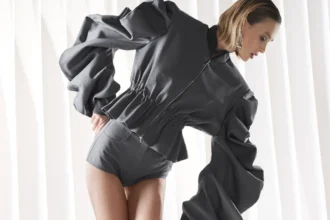
In recent months, the realm of street style has seen a significant shift towards various prominent silhouettes that perfectly balance comfort with contemporary fashion sensibilities. One of the key trends making waves is the return of oversized looks, which has emerged as a response to the increasing demand for comfort in daily wear. Oversized jackets, shirts, and outerwear are not just a nod to nostalgia but also a practical choice that allows for ease of movement, allowing wearers to express their individuality while maintaining a relaxed vibe.
Wide-legged pants, invoking a sense of effortless sophistication, have also gained traction as a preferred choice among fashion enthusiasts. These styles serve to elongate the legs and provide a cooling effect during warmer months, making them an optimal selection for various occasions. The wide-leg variety complements a range of body types and can be seamlessly styled with fitted tops or chunky knitwear, creating a striking balance in proportions.
Conversely, fitted pieces are making a notable resurgence, catering to those who appreciate a more tailored aesthetic. This includes structured blazers and form-fitting trousers that accentuate the silhouette without compromising on comfort. Such fitted styles communicate professionalism and refinement, making them ideal for both casual and formal contexts. By integrating elements of snugness, wearers can explore suit-inspired ensembles that not only emphasize their figure but also blend seamlessly into street style.
Ultimately, the ongoing evolution of silhouette trends within street style emphasizes a sophisticated blend of functionality and visual appeal. The diverse array of oversized looks, wide-legged pants, and fitted pieces allows individuals to curate personal styles that resonate with current tastes while ensuring that comfort remains paramount. As we continue to witness these trends flourish, it is clear that adaptability and self-expression remain at the heart of street fashion.
Functionality Meets Fashion
In recent years, the trend of functional fashion has gained significant traction within the realm of street style. This movement emphasizes practicality without sacrificing aesthetics, leading to the emergence of clothing that is as much about utility as it is about appearance. Street fashion enthusiasts increasingly prioritize garments that can seamlessly integrate into their active lifestyles while still exuding a sense of style and sophistication.
One notable aspect of this trend is the rise of utility clothing. Originally designed for manual labor, utility garments have undergone a stylish transformation, making them suitable for everyday wear. Items such as cargo pants, oversized jackets, and multi-pocketed vests are becoming staples in modern wardrobes. With their robust materials and functional designs, these pieces not only cater to the wearer’s need for comfort but also provide practical solutions for daily tasks and urban living.
Athleisure is another significant contributor to the functionality-meets-fashion narrative. This burgeoning style flawlessly merges athletic wear with everyday clothing, allowing individuals to transition seamlessly from workouts to social engagements. Items like tailored joggers, stylish sports bras, and breathable fabrics are designed to enhance mobility and comfort while maintaining a trendy appearance. Athleisure enables wearers to make practical choices without compromising on looking polished and fashionable.
Accessories also play a pivotal role in this functional fashion trend. Bags designed for utility, such as crossbody styles and backpacks with multiple compartments, offer not only style but also ease of access and organization. Additionally, multifunctional accessories, such as scarves that transform into bags, contribute to a wardrobe that is as versatile as it is fashionable. In conclusion, the blending of functionality and fashion reflects a contemporary ethos that values usability as highly as aesthetic appeal in the world of street style.
Sustainability in Street Style
The significance of sustainability in street style has surged dramatically in recent years, as consumers and brands alike become increasingly aware of their environmental impact. With the apparel industry being one of the primary contributors to global pollution and waste, street style has emerged as a platform for promoting eco-friendly practices. Numerous brands are now committing to sustainable production methods, which include utilizing organic materials, reducing carbon footprints, and minimizing water usage. This shift is fundamentally transforming the landscape of street fashion.
Vintage and second-hand shopping have become highly popular as more individuals embrace the values of sustainability. Thrift stores, consignment shops, and online marketplaces specializing in pre-owned clothing allow fashion enthusiasts to curate unique outfits while reducing their impact on the planet. This resurgence in second-hand culture often leads to the discovery of rare pieces that embody personal style, all while promoting the circular economy. The trend of shopping vintage goes beyond personal aesthetics; it is a conscious choice that enhances both environmental sustainability and creativity.
Furthermore, the rise of upcycled fashion is redefining the boundaries of creativity within street style. Upcycling involves repurposing materials and garments into new, innovative designs that provide additional life to otherwise discarded items. Many fashion designers are now incorporating upcycled materials into their collections, showcasing how sustainability can coexist with high fashion. This movement not only contributes to waste reduction but also encourages a more thoughtful consumption of resources. As a result, modern street style is increasingly characterized by its commitment to sustainability, blending individual expression with social responsibility.
Footwear Trends
The footwear segment of street style has witnessed a significant transformation in recent years, characterized by several standout trends that reflect current fashion sensibilities. One of the most prominent trends is the rise of chunky sneakers. These shoes are not only comfortable but also add a bold aesthetic to outfits, allowing individuals to make striking style statements. Chunky sneakers are versatile enough to pair with casual wear, such as oversized sweatshirts or playful dresses, further cementing their place in urban fashion.
Another noteworthy trend is combat boots, which have made a remarkable comeback in various styles and materials. These boots, originally designed for military use, have evolved to become a staple in street style. Their rugged appeal and ability to serve as a sturdy option for fall and winter wardrobes make them a favorite among fashion enthusiasts. Pairing combat boots with tailored trousers or flowing skirts creates an edgy juxtaposition, reflecting the wearer’s inclination towards stylish, yet functional footwear.
Additionally, elevated sandals are emerging as a significant trend. With their sleek designs and comfortable fit, these sandals are ideal for warmer months, seamlessly complementing both casual and semi-formal outfits. Elevated sandals can elevate a simple look, transforming everyday attire into polished ensembles perfect for social gatherings and outings.
The significance of shoes in completing an outfit cannot be overstated, as they often serve as the focal point that ties the entire look together. Footwear choices reflect personal style and individual personality, allowing wearers to express themselves uniquely. Investing in a few key trends, such as chunky sneakers, combat boots, and elevated sandals, can enhance one’s wardrobe, ensuring that it remains fashionable and functional.
Accessories That Make a Statement
Accessories play a pivotal role in street style, serving as the finishing touches that not only enhance an outfit but also express individual personality and creativity. In recent years, the trend of statement accessories has gained considerable momentum, with fashion-forward individuals using these items to make bold declarations about their fashion identity. From oversized sunglasses to intricately designed bags, accessories have the power to transform even the most basic ensemble into something remarkable.
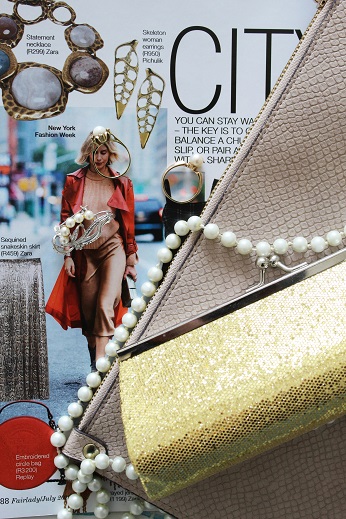
One of the most significant trends in accessories is the rise of statement bags. These bags come in various shapes, sizes, and colors, often featuring unique designs that capture attention. For instance, bags with unconventional silhouettes, such as geometric shapes or vintage-inspired frames, are prevalent on the streets. The use of bold prints, textures, and vibrant hues serves to elevate simple outfits, proving that a single accessory can redefine one’s look.
Moreover, bold jewelry has emerged as another essential component of contemporary street style. Chunky necklaces, oversized earrings, and stacked bracelets have taken center stage, allowing wearers to showcase their distinct tastes. Layering different pieces, mixing metals, or incorporating handmade items can create an eclectic style that reflects personal taste. This trend emphasizes the importance of not only wearing accessories but wearing them with confidence.
In addition to bags and jewelry, hats, belts, and scarves have also become integral to personal style expression. Fashion enthusiasts are experimenting with various accessories to add layers and texture to their outfits. Ultimately, accessories have evolved beyond mere functionality; they now serve as crucial elements that complete a look, allowing individuals to communicate their style and personality on the bustling streets.
Conclusion: The Future of Street Style
As we navigate the ever-evolving world of fashion, it becomes evident that street style is more than just a trend; it is a cultural phenomenon that reflects both individuality and collective expression. Throughout this discussion, we have explored various facets of street style, including its roots in urban environments, the influence of global culture, and its adaptive nature in the face of contemporary fashion changes. The key takeaway is that street style serves as a mirror to societal shifts while offering a platform for personal expression.
The dynamic nature of street style suggests that it will continue to evolve as new influences emerge. With the rise of sustainability, social media, and inclusivity, we can anticipate that future trends will embrace a broader spectrum of styles, inviting a diverse array of voices to contribute to the conversation. As trends shift and morph, they signal not only fashion preferences but also cultural values, making street style a vital part of contemporary discourse.
Encouragingly, this evolution allows individuals to redefine their personal aesthetics while remaining attuned to the overarching trends that shape our environment. Each person’s style is a canvas that reflects their unique story; hence, readers are urged to embrace their individuality, whether through bold choices or minimalist looks. The future of street style promises to enrich this tapestry, presenting fresh opportunities for expression and connection.
In summary, street style is poised to remain a relevant aspect of fashion culture. By embracing both personal choices and the collective movement of trends, we can anticipate a vibrant and diverse future for street style that continues to resonate with many.