

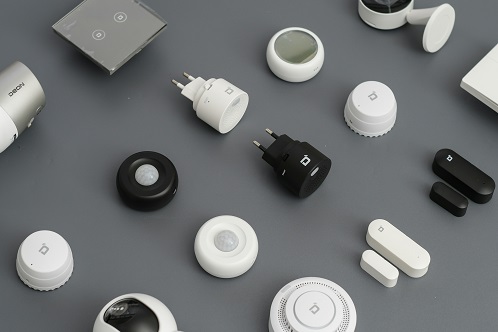
Smart homes represent a modern evolution in residential living, where technology seamlessly integrates with daily life to enhance comfort, security, and efficiency. At its core, a smart home utilizes internet-connected devices that communicate with one another to create an automated living environment. These devices can range from smart thermostats and lighting systems to comprehensive home security solutions and voice-activated assistants. The significance of smart homes in contemporary society cannot be overstated, as they pave the way for greater convenience and energy conservation. The journey towards smart home technology began in the 1970s with the advent of home automation systems. Early adopters utilized wired connections to control various aspects of their homes, though these systems were often complex and costly. The catalyst for the widespread adoption of smart homes came with the emergence of the Internet of Things (IoT) in the 1990s, which enabled devices to communicate wirelessly over the internet. This paradigm shift has led to more affordable, user-friendly options for the average consumer, making smart home technology accessible to a broader audience.
In recent years, the development of advanced technologies such as artificial intelligence and machine learning has significantly enhanced the capabilities of smart home devices. These innovations enable personalized automation that adapts to the preferences and habits of the occupants. As a result, smart homes are not only transforming lifestyles but also contributing to energy efficiency and sustainability by optimizing resource consumption. This evolution indicates a promising future for connected devices, promising innovations and applications that continue to revolutionize how we interact with our living spaces.
Current State of Smart Home Technology
As we navigate through the rapidly advancing landscape of technology, smart home systems are becoming increasingly integrated into everyday life. A key component of this evolution is the diverse range of popular devices that have emerged in the market, each designed to enhance convenience, security, and efficiency within the household. Currently, smart devices such as thermostats, lighting systems, security cameras, and voice assistants dominate the market.
Smart thermostats are among the most frequently used devices, allowing users to control their home’s climate remotely. By learning user preferences over time, these devices not only provide comfort but also significantly reduce energy consumption. Similarly, smart lighting systems offer a tailored lighting experience, enabling homeowners to adjust brightness and color from their smartphones or via voice commands. These systems contribute to energy savings by allowing users to program lights to turn off when not needed.
The security sector has also seen a significant transformation thanks to smart technology. Devices such as smart locks and surveillance cameras offer homeowners enhanced surveillance capabilities and remote monitoring, ensuring peace of mind when away from home. The integration of artificial intelligence into these systems further enhances their functionality, enabling advanced threat detection and automated responses to potential security breaches.
The growing prevalence of these smart home technologies speaks to their utility, with a noteworthy increase in adoption rates among households. This surge reflects a broader trend towards connected devices, driven by the rising awareness of their benefits. The convenience of managing home functions from a central hub, the improved security measures, and the energy efficiency achieved through automation are collectively reshaping the way homeowners interact with their living spaces.
Emerging Trends in Smart Home Innovations
The landscape of smart home technology is continuously evolving, driven by innovation and the growing demand for enhanced convenience and efficiency in daily living. Among the most noteworthy trends reshaping this arena are the integration of artificial intelligence (AI), advancements in the Internet of Things (IoT), and the rise of voice-control systems.
AI is becoming increasingly pivotal in smart home applications, enabling devices to learn from user behaviors and preferences. This technology allows smart thermostats, lighting systems, and security cameras to adapt and respond dynamically to changing conditions. For instance, AI algorithms can analyze patterns in a household’s energy usage, suggesting optimal settings that minimize costs while enhancing comfort. As these systems become smarter, they offer users a more personalized experience that caters to their specific needs.
The Internet of Things is also significantly influencing the development of smart home devices. Connectivity between various products and appliances allows for seamless communication and remote control through smartphones or dedicated interfaces. This interconnectivity enhances user convenience, providing the ability to monitor and manage home settings from virtually anywhere. Furthermore, advancements in IoT security protocols aim to protect consumers from potential vulnerabilities associated with increased connectivity, ensuring a safer smart home environment.
Voice-control systems have gained immense popularity, offering an intuitive way to interact with smart devices. Systems like Amazon Alexa, Google Assistant, and others facilitate hands-free operation, enabling users to control lights, thermostats, and entertainment systems with simple voice commands. This trend not only exemplifies convenience but also demonstrates accessibility, as such systems can be utilized by individuals with varying levels of ability or technological expertise.
Overall, the integration of AI, IoT advances, and voice-control systems signifies a remarkable shift towards more intelligent and responsive smart homes. These innovations promise to enhance everyday life, making homes not only more efficient but also more enjoyable to inhabit.
Challenges Facing Smart Home Adoption
The rapid evolution of smart home technology has brought with it a host of challenges that may inhibit widespread adoption. One significant barrier is technological complexity. Many potential users express reluctance when confronted with the intricate setup processes, compatibility issues, and varied functionalities of smart devices. A user-friendly experience is essential for adoption, yet many consumers feel overwhelmed by the plethora of devices available and their corresponding apps.
An additional challenge is the issue of interoperability between devices from different manufacturers. The lack of standardization means that not all smart devices can seamlessly communicate with each other, leading to fragmented user experiences. This challenge highlights the need for a more cohesive ecosystem where devices from various brands can work in harmony, allowing users to take full advantage of the convenience that smart homes promise.
Privacy and security concerns are also critical hurdles facing smart home adoption. With the continuously increasing volume of data generated by connected devices—ranging from user preferences to sensitive information—consumers are rightfully anxious about who has access to this data and how it is being used. Not only are there risks of data breaches, but there is also a growing apprehension about surveillance and data misuse. Users often fear that their personal information could be exploited, leading to an essential need for enhanced security measures to reassure consumers.
Furthermore, the initial cost of setting up a smart home, paired with uncertainties about technological longevity, creates resistance, as many consumers are hesitant to invest heavily in technology that could become outdated. Addressing these challenges is crucial for the smart home industry to foster trust and encourage greater adoption of connected devices.
The Role of Artificial Intelligence in Smart Homes
Artificial Intelligence (AI) is increasingly becoming a pivotal element in the evolution of smart homes and connected devices. AI technology is designed to enhance user experience by enabling devices to learn from individual behaviors, preferences, and routines. As smart home systems gather data, AI algorithms analyze this information to provide customized solutions tailored to the users’ needs.
For instance, smart thermostats equipped with AI can observe and learn from the heating and cooling preferences of residents over time, adjusting temperatures automatically to improve comfort and energy efficiency. The same applies to smart lighting systems, which can identify patterns in how inhabitants use lights and adjust accordingly, ensuring that energy is not wasted in unoccupied areas.
Moreover, AI facilitates interconnectivity among various smart devices within a home. It enables systems to communicate with one another, creating a seamless and integrated environment. Imagine a home where the security system alerts homeowners if a door is left ajar while simultaneously adjusting the thermostat to a more energy-efficient setting. This interconnectedness not only enhances user convenience but also drives efficiencies, ultimately leading to lower energy consumption and operational costs.
The future potential of AI in smart homes extends beyond mere automation. Innovations such as predictive analytics and natural language processing can empower devices to anticipate user needs. For example, a smart assistant equipped with advanced AI could schedule grocery deliveries based on averaging usage, thereby ensuring that households remain stocked with essential items without manual reminders.
In conclusion, AI technology stands at the forefront of reshaping smart homes. By learning user behavior and enhancing interconnectivity among devices, AI will inevitably transform how we interact with our living spaces, leading to enhanced efficiency, personalization, and a more sustainable future in smart home technology.
Sustainability and Energy Efficiency in Smart Homes
The concept of smart homes goes beyond mere convenience; it encapsulates the principles of sustainability and energy efficiency, providing a pathway towards a more eco-friendly lifestyle. As modern households integrate technology, smart devices equipped with energy management features play a pivotal role in reducing energy consumption and enhancing sustainability efforts. These innovative devices include smart thermostats, LED lighting systems, and energy monitoring tools that allow homeowners to manage their energy usage effectively.
Smart thermostats, for instance, utilize artificial intelligence to learn a household’s temperature preferences and schedule, adjusting heating and cooling systems accordingly. This not only ensures comfort but also minimizes unnecessary energy expenditures. By optimizing temperature settings based on occupancy and weather conditions, smart thermostats can lead to significant reductions in energy consumption, thereby reducing household carbon footprints.
Moreover, smart lighting systems, such as those that employ motion sensors and programmable features, contribute to energy efficiency by ensuring lights are only activated when needed. This technology not only curtails energy wastage but also encourages users to adopt more sustainable habits. With the rise of LED technology, these smart lighting systems provide even greater benefits, consuming less power while ensuring high-quality illumination.
The integration of renewable energy sources also plays an essential role in the sustainability of smart homes. Smart devices can seamlessly work with solar panels and battery storage systems, allowing homeowners to monitor and utilize renewable energy efficiently. This synergy promotes a greener living environment as it supports the shift from traditional fossil fuels to cleaner, sustainable energy sources.
In summary, the advancement of smart home technologies fosters sustainability and energy efficiency. By incorporating energy-saving devices, homeowners can significantly reduce their environmental impacts, cultivate a more sustainable lifestyle, and contribute to the broader goal of conserving natural resources for future generations.
Smart Homes for Health and Wellbeing
The integration of smart home technology is poised to significantly enhance health and wellbeing, creating environments that are not only convenient but also supportive of physical and mental health. One important aspect is air quality monitoring, which can be achieved through smart sensors placed in various locations throughout the home. These sensors can detect pollutants, such as volatile organic compounds (VOCs) and particulate matter, alerting occupants to unfavorable conditions. As a result, individuals can take necessary actions, such as improving ventilation or utilizing air purifiers, thus promoting better respiratory health.
Moreover, health tracking in smart homes has become increasingly sophisticated. Wearable devices integrated with home technology can monitor vital signs, such as heart rate and sleep patterns. This data can be analyzed and synchronized with smart home systems to adjust lighting, temperature, and even sound environments to improve comfort and aid in relaxation and sleep quality. Such connectivity allows for personalized approaches to managing health that were not as easily achievable before.
Particularly for the aging population, smart home technology facilitates aging in place through enhanced safety and independence. Devices such as smart medical alert systems and motion detectors can provide peace of mind for both elderly individuals and their families. In case of emergencies or falls, these systems can automatically notify caregivers or emergency services. Furthermore, smart refrigerators may remind users to take their medications or alert them when food supplies become low, thereby supporting a healthier lifestyle.
In summation, the future of smart homes integrates technology that prioritizes health and well-being. By utilizing air quality monitors, health trackers, and safety devices tailored to the needs of users, these systems not only improve living conditions but also foster a proactive approach to health management.
Consumer Perspectives on Smart Homes
In recent years, the proliferation of smart home technology has significantly altered consumer attitudes towards home automation and connected devices. Surveys conducted by various market research organizations indicate a marked increase in interest and adoption among different demographics. For instance, a report from the Consumer Technology Association revealed that millennials and Generation Z are leading the charge, with over 70% of individuals in these age groups expressing interest in adopting smart home devices.
One primary factor driving this trend is the growing awareness of the benefits that smart home technology offers, such as enhanced energy efficiency, improved security, and increased convenience. Smart thermostats, security cameras, and voice-activated assistants have become staples in many households, reflecting a shift towards a more connected and automated living environment.
Furthermore, a study from Statista highlighted that consumers aged 35-54 are also displaying a substantial inclination towards smart home systems. This demographic values the interconnectedness of devices, often prioritizing home security and energy management as critical factors influencing their purchasing decisions. As more adults in this age group become homeowners, their openness to integrating technology into everyday life is rapidly expanding.
Interestingly, while enthusiasm for smart home technology continues to grow, concerns regarding privacy and data security persist. A significant portion of consumers remains wary about the potential risks associated with data collection by smart devices. Therefore, manufacturers are increasingly addressing these apprehensions by implementing stricter security measures and transparent data handling practices.
Ultimately, the evolving consumer perspectives on smart homes underscore the importance of understanding user demographics and their specific needs. As technology continues to advance, it is essential for businesses in the smart home market to cater to these varying perspectives, ensuring that products are not only appealing but also secure and user-friendly.
The Future Outlook for Smart Homes
The evolution of smart homes and connected devices is poised to make significant strides over the next decade. The integration of advanced technologies such as artificial intelligence, machine learning, and the Internet of Things (IoT) is expected to redefine residential living. This transformation will likely result in homes that are not only more efficient but also more intuitive, adapting to the needs and preferences of their inhabitants.
One of the most anticipated advancements is the development of truly autonomous smart homes. These homes will use data collected from various sensors and devices to learn about the daily routines of their occupants. As a result, they will be able to anticipate needs, from adjusting lighting based on the time of day to optimizing energy usage based on occupancy patterns. Such features are projected to enhance convenience and comfort while also promoting energy sustainability.
Additionally, as smart home technology becomes more prevalent, we can expect an increase in interoperability among devices from different manufacturers. This will foster a seamless user experience, allowing homeowners to effortlessly control their homes through unified platforms. Furthermore, the growth of 5G networks will facilitate faster communication between devices, resulting in a more responsive smart home environment.
From a security perspective, advancements in smart home systems will likely include improved cybersecurity measures to protect sensitive personal data. Enhanced encryption standards and smarter authentication processes will be critical as more devices connect to the internet.
In conclusion, the future of smart homes and connected devices holds substantial promise. As innovations continue to evolve, homeowners can expect enhanced convenience, efficiency, and security. Embracing smart home technologies will not only improve quality of life but also lay the groundwork for sustainable living practices, underscoring the importance of adapting to these technological advancements.