

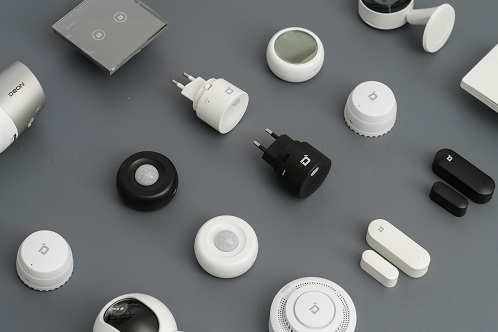
Smart home devices technology refers to a suite of devices and systems that allow users to control various aspects of their living environment through the internet. This technology has evolved dramatically over the years, transitioning from simple home automation systems to sophisticated networks of devices that enhance the comfort, security, and efficiency of modern living. The journey began in the late 20th century when innovations such as programmable thermostats emerged, laying the groundwork for what would become an integral component of smart homes today. Over the last few decades, advancements in technology have enabled the development of a wide range of smart devices. These include smart speakers, lighting systems, cameras, doorbells, and appliances that can communicate with each other and be controlled via smartphones or voice assistants. The proliferation of Internet of Things (IoT) technology has made it possible for various devices to connect seamlessly, creating a cohesive ecosystem that allows for centralized control and automation.
The convenience offered by smart home technology is undeniable. Homeowners can set schedules for their devices, adjust settings remotely, and receive real-time alerts, all of which contribute to improved energy efficiency and security. For instance, smart thermostats learn user habits and optimize heating and cooling, significantly reducing energy consumption and costs. Moreover, security systems equipped with smart cameras and motion sensors offer peace of mind by enabling homeowners to monitor their premises from anywhere.
In conclusion, smart home technology represents a significant evolution in how we interact with our living spaces. As these devices become more sophisticated and accessible, they continue to transform our everyday lives, making modern living more convenient and efficient than ever before.
The Benefits of Smart Home Devices
Smart home devices offer a myriad of benefits that transform the way we live, contributing positively to our overall quality of life. One of the most significant advantages is energy savings. Devices such as smart thermostats and energy-efficient lighting systems optimize power consumption by adjusting settings based on usage patterns. By minimizing unnecessary energy expenditure, homeowners can lower their utility bills and reduce their carbon footprint.
Enhanced security is another critical benefit provided by smart home technology. Security cameras, smart locks, and alarm systems can be monitored and controlled remotely through smartphones, enabling homeowners to keep a close eye on their property, even when away. These devices not only deter potential intruders but also offer peace of mind by providing alerts and real-time updates regarding any suspicious activities.
Improved convenience is a hallmark of smart home devices. From voice-activated assistants that manage daily tasks to automated lighting and temperature controls, technology allows users to harmonize their environments effortlessly. For instance, smart plugs can schedule devices to turn on or off at specified times, providing an added layer of convenience in managing household appliances. This ease of use often results in time savings, allowing individuals to focus on more important aspects of their lives.
Finally, the automation capabilities of smart home devices are noteworthy. Integration with other systems promotes seamless interaction across various devices, further enhancing the living experience. Homeowners can establish routines, such as setting the lights to dim and the thermostat to lower at bedtime, creating a comfortable atmosphere effortlessly. Overall, smart home devices significantly contribute to convenience, security, energy efficiency, and comfort, making modern living not only easier but also more enjoyable.
Essential Smart Home Devices for Every Home
In the contemporary lifestyle, smart home devices have become essential for enhancing convenience, security, and efficiency within households. A range of devices is available to suit various needs, and the following are particularly noteworthy.
First and foremost, smart speakers such as the Amazon Echo and Google Nest provide seamless voice control for various tasks. These devices not only play music and respond to queries but also serve as hubs that connect and control other smart home devices, making them pivotal to a modern smart home setup.
Next, smart lighting systems, including Philips Hue and LIFX, allow homeowners to customize their lighting experience. These systems enable users to adjust brightness, color, and schedules through smartphone applications or voice commands. This level of control can enhance ambiance and save energy by optimizing lighting needs throughout the day.
Additionally, smart thermostats, like the Nest Learning Thermostat, play a crucial role in energy conservation. By learning user preferences and adjusting heating or cooling accordingly, these devices not only offer comfort but also help reduce energy bills. The ability to control the thermostat remotely via smartphone apps enhances energy efficiency even further.
Lastly, security cameras such as the Arlo Pro series have become integral to home safety. With features like motion detection, real-time alerts, and access to live video feeds, these devices allow homeowners to monitor their property from anywhere. The integration of smart security systems adds an additional layer of protection to ensure peace of mind.
By investing in these essential smart home devices, homeowners can enjoy improved automation, security, and energy management, making their living environment more comfortable and efficient.
Smart Home Security Systems
Smart home security systems have become a fundamental aspect of modern living, offering enhanced safety and peace of mind to homeowners. As technology evolves, so do the methods of securing our residences. These systems often incorporate various devices such as smart locks, alarm systems, and security cameras, all designed to work in harmony to protect our living spaces.
One of the primary components of smart home security is smart locks. These devices replace traditional mechanical locks with keyless entry systems that can be controlled remotely via smartphone applications. Smart locks can provide features such as temporary access codes for guests, notifications when someone enters or exits, and the ability to lock or unlock doors from anywhere in the world. This level of control significantly enhances home security, making unauthorized access harder.
Alarm systems are another essential part of smart home security setups. They not only detect unauthorized entry but can also provide alerts for various environmental hazards such as smoke and carbon monoxide. Modern alarm systems often integrate with mobile devices, allowing homeowners to monitor their properties in real-time. Look for systems that offer comprehensive monitoring, both through professional services and self-monitoring options, to ensure immediate response in the event of an emergency.
In addition to smart locks and alarm systems, security cameras play a pivotal role in deterring crime and enhancing surveillance. These cameras can be accessed through mobile applications, allowing users to view live footage and recorded clips. Features such as motion detection, night vision, and two-way audio can further enhance their effectiveness. When selecting a security camera, consider factors like resolution, field of view, and storage capabilities to suit your security needs.
In summary, investing in a robust smart home security system is crucial for protecting your home and loved ones. By understanding the different components and their functionalities, homeowners can make informed decisions to enhance their security, making their lives safer and more convenient.
Smart Lighting and Climate Control
In the era of technological advancements, smart home devices have revolutionized how we manage our living environments. Among the essentials of modern living are smart lighting solutions and advanced climate control systems. These innovations contribute significantly to enhancing comfort, convenience, and energy efficiency in daily life.
Smart lighting, facilitated by devices such as smart bulbs and plugs, offers users unparalleled control over their home lighting systems. With the ability to adjust brightness, change colors, and schedule lighting around personal routines, these devices ensure an optimal lighting atmosphere is maintained throughout the day. Moreover, remote access via smartphones or voice commands allows for immediate adjustments from anywhere in the home, enhancing overall user comfort. Energy efficiency is another notable benefit, as smart lightings can be programmed to switch off automatically when not in use, providing cost savings on electricity bills.
In addition to lighting, temperature management through smart thermostats represents a significant advancement in climate control technology. The modern smart thermostat learns user preferences and adjusts heating and cooling systems accordingly. It can optimize energy consumption based on occupancy and weather conditions, contributing to significant energy savings. The ability to monitor and control indoor climate remotely offers users peace of mind and ensures their living spaces are comfortable upon arrival.
Furthermore, these devices often integrate with other home automation systems, creating a comprehensive smart home ecosystem. By combining smart lighting and climate control, users can set specific environments and scenarios that suit various occasions, all while promoting energy efficiency and convenience. Overall, the integration of smart lighting solutions and advanced climate control devices significantly enhances modern living standards, establishing a harmonious balance between comfort, functionality, and sustainability.
Voice Assistants and Home Hubs
In the rapidly evolving landscape of smart home technology, voice assistants and home hubs play a pivotal role in creating a seamless and interconnected living environment. Devices such as Amazon Alexa and Google Assistant have revolutionized the way users interact with technology, enabling hands-free control over a multitude of smart home devices. Their range of capabilities extends from basic commands to more complex routines, allowing users to manage lighting, temperature, security systems, and entertainment options all through simple voice commands.
One of the key advantages of integrating voice assistants and home hubs into a smart home ecosystem is their ability to facilitate interconnectivity among various devices. For instance, a home hub can act as a central communication point, linking disparate devices from different manufacturers and providing a unified interface for control. This compatibility allows for the creation of customized automation and scenarios, enhancing user convenience and optimizing energy use. A user might set up a morning routine that automatically adjusts the thermostat, turns on the coffee maker, and provides news updates—all initiated by a single voice command.
Moreover, voice assistants continually evolve through software updates, expanding their functionality and improving user experience. They can learn from users’ preferences and adapt over time, which further simplifies interactions with the smart home environment. The integration of artificial intelligence allows these devices not only to follow directives but also to anticipate user needs, making them an indispensable component of modern living. As the technology advances, voice assistants and home hubs will continue to play a critical role in shaping the future of smart homes, driving forward the principles of convenience and connectivity.
Smart Appliances Revolutionizing Kitchens
The advent of smart appliances has significantly transformed the culinary landscape, making kitchen tasks more efficient and enjoyable. Modern kitchens are increasingly integrating smart technologies that offer automation, connectivity, and enhanced functionalities. Various smart kitchen appliances, including refrigerators, ovens, and dishwashers, are designed to streamline cooking processes and improve overall meal planning.
Smart refrigerators now feature advanced capabilities such as inventory tracking and meal suggestion based on available ingredients. Many models are equipped with touch screens, allowing users to access recipes, organize grocery lists, and even create shopping reminders. Such refrigerators often connect to smartphones via dedicated apps, enabling remote monitoring and adjustments, such as optimizing temperature settings according to the items stored inside.
Ovens have also undergone a remarkable evolution, with the introduction of smart features that enable remote control and programming. Smart ovens allow users to preheat their appliances, adjust cooking temperatures, and select cooking modes directly from their smartphones. Moreover, some models come with built-in cameras that enable users to monitor their cooking progression through live video feeds, enhancing the cooking experience and ensuring optimal results.
Dishwashers are not left behind in this technological wave. Many modern dishwashers come equipped with smart sensors that determine the best washing cycle based on load size and soil level. Like other smart kitchen devices, they can be controlled via app, allowing users to start, pause, or schedule their dishwashing tasks from a distance. This feature contributes to improved energy efficiency and water conservation, further reflecting the benefits of smart technology in kitchens.
Overall, smart appliances in the kitchen are redefining how we prepare and enjoy meals. With their ability to integrate seamlessly with modern technology, these devices not only enhance convenience but also elevate the culinary experience to a new level of sophistication.
Innovative Smart Home Gadgets
The integration of technology into our daily routines has been significantly bolstered by the introduction of several innovative smart home gadgets. These devices not only enhance convenience but also offer modern solutions for various household needs. Among them, smart mirrors have emerged as a compelling choice. These mirrors come equipped with features such as built-in lighting, touch screen capabilities, and connectivity to virtual assistants that provide daily updates, weather information, and even personalized skincare routines. With their sleek designs and multifunctionality, smart mirrors serve as a perfect example of elegance meeting technology in modern living.
Another noteworthy innovation within the realm of smart home gadgets is the robotic vacuum cleaner. Gone are the days of laboriously pushing a vacuum across the floor. Robotic vacuums, like those produced by brands such as Roomba and Neato, utilize advanced sensors and algorithms to navigate through your home, efficiently trapping dust and debris. Many models can be controlled via smartphone apps, allowing homeowners to schedule cleaning sessions or direct the device remotely, thereby embracing a hassle-free lifestyle.
Health-monitoring devices also represent a significant advancement in smart home technology. Wearable gadgets like smartwatches offer features that range from fitness tracking to vital sign monitoring, providing users insights into their health metrics. These devices can be connected to smart home systems, enabling users to manage their wellness through feedback that can inform dietary choices or exercise regimes. Overall, the growing presence of innovative smart home gadgets indicates a shift towards a lifestyle that prioritizes convenience, efficiency, and health, making modern living not only simplified but also more conducive to well-being.
Future Trends in Smart Home Technology
The landscape of smart home technology is rapidly evolving, with various trends poised to redefine our living environments. One of the most significant developments is the integration of artificial intelligence (AI). As AI algorithms become increasingly sophisticated, smart home devices will be able to learn user preferences, anticipate needs, and automate tasks more effectively. This shift towards AI-centric technology will enhance user experiences, making homes not only smarter but also more intuitive and personalized.
Energy efficiency is another crucial trend shaping the future of smart homes. As concerns about climate change and energy consumption grow, manufacturers are developing smart devices that minimize energy usage without compromising functionality. Products equipped with advanced sensors and analytics will monitor energy consumption in real-time, allowing homeowners to make informed decisions about their usage patterns. This trend not only contributes to environmental sustainability but also reduces utility costs for consumers.
Moreover, the importance of sustainability in smart home devices is gaining traction. With a focus on eco-friendly materials and manufacturing processes, the future of smart technology is expected to prioritize environmental impacts. Consumers are increasingly favoring products that reflect their values concerning sustainability. As a result, manufacturers may implement stricter standards for product lifecycle management, ensuring that devices are designed with recyclability and minimal environmental impact in mind.
Equally important is the growing emphasis on privacy and security. With the proliferation of Internet of Things (IoT) devices, safeguarding personal information has become paramount. Future smart home technologies will likely incorporate advanced encryption methods and privacy-by-design principles, ensuring that user data is protected and that consumers feel secure in their smart environments. Privacy controls integrated directly into smart devices will enable users to customize data-sharing preferences, further enhancing their confidence in using these technologies.