

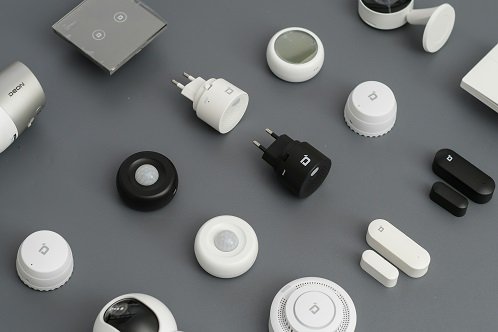
Smart home gadgets represent the fusion of advanced technology and daily living, fundamentally reshaping how individuals interact with their living spaces. These devices, which include everything from smart thermostats and lighting systems to security cameras and virtual assistants, are designed to enhance convenience, improve efficiency, and bolster security. By integrating sophisticated software and internet connectivity, smart gadgets allow homeowners to control various aspects of their environment remotely and automate routine tasks.
One of the primary benefits of adopting smart home technology is the increased convenience it offers. For instance, users can manage their home’s lighting, temperature, and even appliances from their smartphones or through voice commands. This seamless control not only saves time but also simplifies daily routines, allowing users to focus on more important activities. Moreover, smart home gadgets can contribute to enhanced energy efficiency. Devices such as smart thermostats optimize heating and cooling schedules based on user behavior, potentially lowering energy bills and contributing to a more sustainable lifestyle.Smart home technology can make it easier to monitor electricity use and identify opportunities to reduce unnecessary energy consumption. Homeowners can also explore direct energy plans when looking for electricity options that fit their household usage and energy-saving goals.
Additionally, home security has been significantly improved through the use of smart technology. Homeowners can now monitor their properties in real-time from anywhere in the world, thanks to smart cameras and alarm systems that send notifications directly to their smartphones. This increased awareness and control can deter potential intruders and provide peace of mind to residents.
The popularity of smart home gadgets continues to surge as more consumers recognize their value. Advances in technology have made these devices more accessible, and the market is continually evolving, introducing new products that cater to diverse needs. As people increasingly seek efficient and secure living solutions, smart home gadgets are becoming an integral part of modern households.
Popular Smart Home Devices
In recent years, smart home technology has gained immense popularity, with a variety of devices designed to enhance convenience, security, and efficiency in daily life. Among the most sought-after gadgets are smart speakers, thermostats, lighting systems, and security cameras.
Smart speakers, such as Amazon Echo and Google Nest, serve as centralized control hubs for other smart devices. These multifunctional gadgets use voice recognition technology to facilitate hands-free operation, allowing users to play music, set reminders, and integrate other smart home devices seamlessly. Their versatility and user-friendly features make them essential components in modern smart homes.
Smart thermostats are another integral gadget, promoting energy efficiency while maximizing comfort. Devices like the Nest Learning Thermostat and Ecobee SmartThermostat offer personalized temperature control through machine learning, adapting to users’ preferences over time. This technology not only streamlines heating and cooling processes but can also yield significant savings on energy bills.
Smart lighting systems, including Philips Hue and LIFX, take home illumination to a new level. These systems enable users to control lighting remotely via smartphone apps or voice commands, allowing for customization of ambience in various living spaces. Moreover, with features like scheduling and color adjustments, smart lighting helps create the ideal environment for different occasions.
Finally, smart security cameras, such as Ring and Arlo, provide peace of mind by offering real-time monitoring and alerts. These cameras often come equipped with features like night vision, motion detection, and two-way audio, enabling homeowners to securely keep an eye on their property from anywhere. The added layer of security provided by these gadgets is invaluable in today’s fast-paced world.
By understanding the diverse applications and advantages of popular smart home devices, individuals can make informed decisions regarding which gadgets best suit their requirements, ultimately enhancing their quality of life.
How Smart Home Gadgets Improve Efficiency and Security
Smart home gadgets are increasingly transforming everyday living by enhancing both efficiency and security within the home environment. Among these innovative devices, smart thermostats play a pivotal role in optimizing energy consumption. These gadgets are designed to learn user habits, allowing them to adjust heating and cooling based on real-time needs, consequently reducing energy waste. For instance, a study by a leading energy provider indicated that households using smart thermostats can reduce their energy bills by up to 20%. This not only benefits the homeowner financially but also contributes to a more sustainable planet by lowering overall energy consumption.
In addition to improving energy efficiency, smart home gadgets significantly bolster security measures. Smart locks and cameras provide homeowners with essential tools to protect their properties. Smart locks allow users to control access to their homes remotely, offering features such as temporary codes for guests and notifications when doors are locked or unlocked. This level of access control enhances traditional security methods, making homes less vulnerable to break-ins.
Furthermore, smart security cameras equipped with motion detection capabilities enable real-time monitoring of the premises. Users can receive instant alerts on their smartphones, allowing them to take prompt action if suspicious activity is detected. According to recent statistics, homes equipped with smart security devices are 300% less likely to experience a burglary, illustrating their effectiveness in deterring criminal activity.
Overall, smart home gadgets not only lead to greater energy efficiency but also provide advanced security solutions that can significantly enhance the homeowner’s peace of mind. By investing in these technologies, individuals can cultivate a safer and more economical living environment, thereby simplifying daily life while addressing critical concerns around energy consumption and personal safety.
Future Trends in Smart Home Technology
The landscape of smart home technology is continuously evolving, driven by advancements in artificial intelligence (AI), the greater emphasis on sustainability, and the desire for improved device interoperability. One of the most significant trends on the horizon is the integration of AI into smart home devices. This integration enables these devices to learn user preferences and behaviors, thereby offering personalized recommendations and enhancing the overall user experience. Smart thermostats, for instance, are becoming increasingly capable of adjusting temperatures based on daily routines, ultimately leading to improved energy efficiency.
Moreover, as renewable energy sources gain traction, smart home technology is likely to incorporate these sustainable resources more effectively. Solar panels, energy storage units, and smart appliances will work in tandem to optimize energy consumption and reduce reliance on non-renewable resources. This shift aligns with global efforts to mitigate climate change and encourages homeowners to adopt cleaner energy solutions.
Additionally, the demand for enhanced interoperability among various smart home devices is expected to increase. As manufacturers recognize the importance of seamless communication between different systems, we can anticipate the development of standardized protocols, making it simpler for consumers to integrate devices from various brands. This progress enables users to create a cohesive ecosystem where everything—from lighting to security—functions in harmony, significantly enhancing convenience.
In summary, the future of smart home technology promises a more intelligent, sustainable, and interconnected environment. By planning for these trends, homeowners can prepare for a lifestyle that is not only easier but also environmentally responsible, showcasing the ongoing evolution of technology in daily life.