

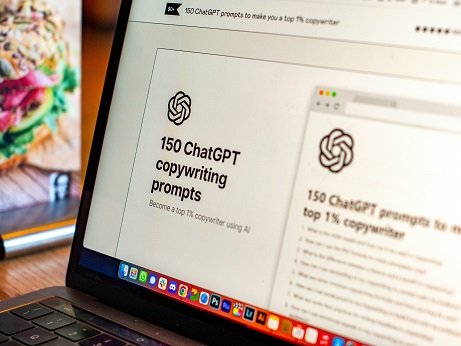
Generative AI represents a significant advancement in artificial intelligence, enabling machines to create content that can mimic human outputs across various mediums. At its core, generative AI employs complex algorithms and neural networks to analyze patterns in existing data, allowing it to generate original content that reflects these learned patterns. This technology has gained traction in recent years, particularly due to its applications in fields such as text generation and image synthesis. One of the primary forms of generative AI is text generation, where models like OpenAI’s GPT and others can produce written material ranging from articles and stories to poetry and conversational dialogue. These models are trained on vast datasets that encompass diverse writing styles and subjects, thus enabling them to create coherent and contextually relevant text outputs. Such capabilities not only streamline content creation but also afford individuals and organizations the ability to scale their writing efforts significantly.
Furthermore, generative AI extends beyond text to include image synthesis, where models can create realistic images or alter existing ones. Services like DALL-E and MidJourney leverage this technology to transform textual descriptions into visual representations, showcasing the potential for generative AI to enhance digital art creation. This intersection of AI and creative fields signals a paradigm shift in how content is produced and consumed, raising new questions about authorship and originality.
In summary, by utilizing models trained on immense datasets and complex algorithms, generative AI is reshaping the content landscape, facilitating a new era of automated creativity that holds promise for diverse industries. Its influence on content creation echoes through both written and visual domains, making understanding its workings essential for stakeholders in the digital age.
The Evolution of Content Creation
Content creation has undergone significant transformations since the dawn of human communication. Initially, storytelling was a verbal tradition, passed down through generations, serving as a medium to convey morals, history, and entertainment. The invention of writing marked a pivotal milestone, enabling the documentation of ideas on material such as clay tablets and papyrus, laying the groundwork for more complex forms of communication.
With the advent of the printing press in the 15th century, content creation experienced a revolutionary change. This innovation allowed for the mass production of texts, making literature and information accessible to a broader audience, which stimulated literacy rates and the spread of knowledge. Such accessibility led to an explosion of ideas, encapsulated in various genres, from newspapers to novels, significantly altering societal interactions and the dissemination of information.
Entering the 20th century, the introduction of electronic media further shaped content creation. Radio and television became dominant platforms, allowing for real-time information sharing and entertainment. The visual and auditory mediums opened new avenues for storytelling, engaging audiences in ways that print alone could not achieve. The rise of the internet in the late 20th century marked another significant evolution, transforming content creation into a more dynamic and participatory process. Websites, blogs, and social media emerged, empowering individuals to become content creators.
The proliferation of digital tools led to an unprecedented increase in the volume and diversity of content produced. This shift facilitated innovative forms of expression, such as podcasts and video content on platforms like YouTube. However, it also introduced challenges, including information overload and content curation. The emergence of generative AI represents the latest chapter in this evolution, providing new methods for content generation and enabling creators to streamline their workflows while maintaining quality and engagement. As we continue to embrace technological advancement, the landscape of content creation will inevitably grow and evolve further.
Benefits of Using Generative AI in Content Creation
Generative AI has revolutionized the field of content creation by offering a multitude of benefits that can enhance both efficiency and creativity within various industries. One of the most significant advantages is increased efficiency. Traditional content creation processes can be time-consuming, often requiring extensive research, drafting, and editing. With generative AI, content creators can automate various aspects of this workflow, allowing for quicker turnaround times and enabling them to focus on higher-level tasks that require human insight.
Moreover, generative AI can be a cost-effective solution for organizations. By minimizing the need for manual labor in the writing and editing process, companies can allocate resources more effectively. This capability allows for the production of high-quality content at a fraction of the cost. Many organizations find that integrating generative AI into their content strategies leads to significant savings over time, enabling them to invest in other areas of growth.
Another noteworthy benefit is the ability to produce personalized content. Generative AI can analyze user data and preferences to create tailored content that resonates with specific audiences. This level of customization enhances user engagement, as the content feels more relevant and targeted. In a market where consumers have varied tastes and preferences, personalized content provided by generative AI can significantly improve the effectiveness of marketing efforts.
Furthermore, generative AI opens the door to creative exploration. It can help content creators brainstorm new ideas by suggesting topics, formats, and styles that may not have been considered otherwise. This capability stimulates innovation and allows for experimenting with different approaches to storytelling, leading to more diverse and compelling content. As generative AI continues to evolve, its potential to shape content creation will undoubtedly expand, offering even more exciting possibilities.
Challenges and Limitations of Generative AI
As generative AI technologies gain prominence in content creation, it is crucial to address various challenges and limitations that accompany their widespread adoption. One notable concern involves the quality of content produced by these AI systems. While generative AI can create large volumes of material quickly, the quality can often be inconsistent. Some algorithms might generate coherent text, while others risk producing nonsensical or irrelevant output, which can undermine their utility in professional or critical contexts.
Ethical considerations also present significant challenges in the realm of generative AI. Plagiarism is one of the pressing issues, as AI models are trained on existing data, making it possible for them to inadvertently replicate or closely mimic proprietary content. This raises questions about intellectual property rights and the ownership of generated works. Furthermore, the line between original content and that which has been artificially created can become blurred, complicating the landscape of authorship and accountability.
Additionally, concerns surrounding misinformation and authenticity are critical. Generative AI holds the potential to produce misleading or false information that could easily be mistaken for credible content. The algorithms employed may not possess the ability to fact-check or verify the validity of the information they generate, leading to the proliferation of inaccuracies and false narratives. This issue is particularly salient in areas such as journalism and academic research, where credibility and factual accuracy are paramount.
In light of these challenges, stakeholders must approach the integration of generative AI with caution. Establishing clear ethical guidelines and developing robust systems for quality control will be essential to ensure that the technology is utilized in a manner that respects original content while fostering innovation in content creation.
Generative AI Tools for Content Creators
In the rapidly evolving landscape of digital content creation, generative AI tools have gained prominence for their ability to enhance productivity and creativity. These platforms offer content creators a range of features designed to assist in the generation of diverse media types including text, audio, and visuals.
One notable example is OpenAI’s GPT-3, which utilizes deep learning to generate human-like text based on given prompts. This tool is particularly beneficial for writers and marketers, as it can help with drafting articles, creating ad copy, or even brainstorming ideas. The ability to produce coherent and contextually relevant text has made GPT-3 a favorite among content creators seeking efficiency and inspiration.
Beyond text generation, Midjourney stands out in the realm of visual content creation. It leverages advanced algorithms to generate images based on textual descriptions provided by users. This capability allows graphic designers and social media managers to create unique visuals that align closely with their branding requirements, effectively enhancing the aesthetic appeal of their content.
Another growing tool in the audio space is Descript, which offers functionalities for audio editing and transcription utilizing AI. This platform allows podcasters and video creators to produce professional-grade audio content with minimal effort, making it easier to create engaging podcasts or video narrations. Through the use of features such as Overdub, users can generate realistic voiceovers, streamlining the content production process.
These generative AI tools exemplify how technology is transforming content creation. They not only save time but also empower creators to explore new artistic boundaries by utilizing AI to handle repetitive or technical aspects of their work. As these tools continue to evolve, their applications will undoubtedly expand, paving the way for even more innovative content creation strategies.
Case Studies: Successful Implementation of Generative AI
In recent years, numerous businesses and individuals have successfully harnessed the potential of generative AI for content creation, which has significantly transformed their operations and enhanced productivity. One notable case is the global digital marketing agency, Copy.ai. This platform utilizes AI technology to assist writers in generating high-quality marketing content. By integrating generative AI, Copy.ai has enabled its users to produce multiple drafts and content variations rapidly, thereby accelerating the creative process. This adoption has resulted in a marked increase in efficiency and, subsequently, client satisfaction.
Another compelling example is the success of Jasper AI. This AI-powered writing assistant helps businesses generate various types of content, from blog posts to ad copies. Companies that have implemented Jasper AI reported significant improvements in their content production cycle. By automating mundane writing tasks, teams could focus on strategic planning and creative aspects, which ultimately contributed to higher levels of innovation and engagement in their campaigns.
On an individual level, many freelance writers have leveraged platforms like Writesonic to streamline their content creation process. Freelancers have shared positive feedback regarding the reduction of time spent on ideation and drafting phases. With generative AI assistance, they have reported being able to take on more projects and increase their overall income. The lessons learned from these experiences highlight that generative AI is not merely a tool for efficiency; it enables content creators to enhance their creativity by removing certain constraints that often accompany traditional writing processes.
Overall, these case studies illustrate that the deployment of generative AI in content creation has led to successful outcomes across various industries and sectors. The key takeaway is that, when implemented thoughtfully, generative AI can serve as a transformative asset that enhances productivity while fostering creativity among users.
The Future of Content Creation with Generative AI
As the landscape of content creation evolves, the role of generative AI is becoming increasingly pivotal. Advancements in artificial intelligence technologies are poised to revolutionize how content is generated, tailored, and consumed. With the integration of machine learning algorithms, we can anticipate significant transformations across various content forms—be it text, audio, video, or visuals.
One of the prominent trends amplifying in this domain is the ability of AI to produce highly personalized content. By analyzing vast amounts of user data, generative AI can develop tailored narratives that resonate with individual preferences and behaviors. This personalization not only enhances user engagement but also facilitates a deeper connection between brands and their audiences.
Furthermore, as natural language processing (NLP) and computer vision technologies advance, we may see the emergence of sophisticated tools that enable content creators to develop high-quality outputs with minimal effort. The automation of mundane aspects of content generation allows creators to focus on more strategic, creative endeavors, ultimately elevating the content quality.
In addition, collaborative platforms powered by generative AI might redefine teamwork in content creation. These platforms could allow various stakeholders to contribute dynamically, fostering innovation and efficiency in the content production process. Enhanced collaboration tools can also streamline workflows, making it easier for teams to share ideas and execute projects.
To remain competitive, content creators will need to embrace these AI-driven changes and harness their potential. As generative AI continues to advance, there will be a growing emphasis on ethical considerations and the importance of maintaining human oversight in content creation processes. Ultimately, the future of content creation looks promising, characterized by an intermingling of human creativity and artificial intelligence-enhanced efficiency.
Ethical Implications of Generative AI in Content Creation
Generative AI is revolutionizing the landscape of content creation by automating and enhancing creative processes. However, this technological advancement brings forth significant ethical implications that demand careful consideration. One critical aspect arises from the responsibility associated with its use. Content creators must deliberate on how they leverage generative AI tools, ensuring that these resources are employed ethically and do not propagate misinformation or exploitative practices.
Ownership rights constitute another major ethical concern in the realm of generative AI. With the ability of these systems to produce original works, determining authorship and copyright becomes increasingly complex. Content creators may ponder whether the rights to AI-generated materials rest with the users who input parameters or with the developers of the AI software. This ambiguity not only complicates the legal landscape but also challenges traditional notions of intellectual property. Creators must navigate these waters cautiously, recognizing that their creations could intersect with AI-generated content that carries issues of originality and authority.
Furthermore, the implications of generative AI extend to the audience, as users consume and interact with AI-generated content. The distinction between human-created and machine-generated works may blur, raising questions about authenticity and trust. Audiences may find it challenging to discern the source of the content they engage with, which can affect their perception of value and credibility. It is essential for creators to be transparent about the use of AI in their processes, fostering a sense of accountability and trust with their audiences.
Conclusion and Final Thoughts
As we delve into the various facets of generative AI and its undeniable influence on content creation, it is clear that this technology is reshaping how content is conceived, designed, and delivered. Throughout this discussion, we have highlighted the multiple dimensions of generative AI, including its ability to automate tasks, enhance creativity, and streamline processes that were once time-intensive. The evolution of content creation through generative AI opens up a new world of possibilities for creators, marketers, and businesses alike.
However, this transformative potential does not come without its challenges. The rise of AI-generated content raises critical questions about originality, creativity, and the roles of traditional content creators. As we embrace the innovative advantages of generative AI, it is essential to navigate the ethical considerations surrounding copyright, authorship, and the risk of misinformation. Balancing the opportunities presented by technology with the necessity of maintaining quality and integrity in content creation is vital.
Furthermore, while generative AI offers tools that can significantly enhance productivity, one must consider the implications of relying heavily on automated solutions. The human touch in storytelling and engagement remains irreplaceable, even as these systems become more advanced. Therefore, it is imperative for content creators to develop a symbiotic relationship with generative AI, leveraging its strengths while ensuring that authentic human creativity is not overshadowed.
In conclusion, as we stand on the brink of an AI-driven era in content creation, it is crucial to recognize both the opportunities and the challenges that lie ahead. Those who adapt and embrace the capabilities of generative AI will find themselves at the forefront of an evolving landscape, redefining what it means to create and share content in the digital age.