

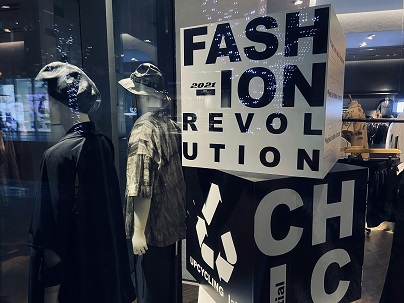
Sustainable fashion refers to an approach to clothing design, sourcing, and production that prioritizes environmental integrity, social equity, and economic viability. In an era marked by rapid consumption, the fashion industry has witnessed significant growth driven by fast fashion—an omnipresent model that encourages consumers to purchase high volumes of clothing at low prices, often at the expense of ethical and sustainable practices. This business model not only threatens the survival of local communities and traditional craftsmanship but also contributes extensively to environmental degradation. The detrimental impacts of fast fashion are both profound and far-reaching. The production process often involves harmful chemicals that pollute waterways, extensive water usage that depletes freshwater resources, and excessive waste generated from discarded garments. According to various studies, a staggering amount of textile waste ends up in landfills each year, a testament to the industry’s unsustainable practices. Furthermore, the fast fashion model fosters a culture of disposability, where clothing is viewed as short-lived, leading to a constant cycle of overproduction and increased consumption.
In response to these grave concerns, the notion of sustainable fashion has garnered attention as a necessary shift for the future. This movement emphasizes the importance of considering the lifecycle of garments, advocating for ethical sourcing, fair labor practices, and environmentally friendly materials. Sustainable brands strive to minimize their carbon footprint, employ recycled resources, and promote fair trade initiatives, thereby fostering a more equitable and responsible industry. As consumers become increasingly aware of the socio-environmental impacts of their choices, there is a growing demand for sustainable alternatives that advocate for a more conscious relationship with fashion.
The Environmental Impact of Fast Fashion
Fast fashion has emerged as a dominant force in the clothing industry, but its impact on the environment is profoundly negative. The textile production process often involves the use of toxic chemicals, contributing to significant pollution. In fact, it has been reported that the dyeing process alone is responsible for about 20% of global water pollution. Synthetic fibers, which account for the majority of fast fashion textiles, also contribute to pollution through microplastics washed out during laundering. These tiny particles ultimately find their way into oceans, harming marine life and ecosystems.
Moreover, the sheer volume of waste generated by the fast fashion industry is staggering. According to the United Nations, the equivalent of one garbage truck full of clothes is dumped in landfills every second. This not only reflects a colossal waste of resources but also leads to the release of methane—a potent greenhouse gas—during the decomposition of textiles. Since fast fashion brands produce clothing with a methodical plan to encourage constant buying, the lifespan of each item is drastically reduced, leading to an accelerated cycle of production and disposal.
The consumption of non-renewable resources such as oil, which is necessary for polyester production, further exacerbates the environmental degradation caused by fast fashion. The fast-paced trends and manufactured obsolescence promote a culture of disposable fashion. This reliance on non-renewable resources is at odds with sustainable practices that emphasize resource conservation and circular economies, where materials are reused and recycled. As consumers become more aware of these issues, there is an urgent need for the fashion industry to pivot away from fast fashion and towards sustainable alternatives that prioritize environmental stewardship.
Social and Ethical Considerations
The fashion industry has long been associated with various social and ethical issues, particularly concerning labor rights and worker exploitation. Many fast-fashion brands rely on a global supply chain that often prioritizes low costs over fair labor practices. Workers in developing countries frequently face deplorable working conditions, long hours, and minimal wages. This practice raises significant ethical concerns about the responsibility of both consumers and brands to promote better practices.
Brands that engage in ethical fashion are increasingly recognized for their commitment to fair labor practices. These brands often implement sustainable practices, ensuring that workers are paid fair wages and operate in safe working environments. They may also contribute to local economies and provide training and development opportunities to enhance workers’ skills. This shift towards ethically produced fashion not only benefits the workers but also improves the brand’s reputation among conscious consumers.
From a consumer perspective, there is a growing awareness of the consequences of fast fashion. As individuals become more informed about the exploitation of workers, there is a significant push toward making more responsible purchasing decisions. Consumers are encouraged to seek out brands that prioritize ethical production, demonstrate transparency in their supply chains, and advocate for social responsibility. By supporting companies committed to ethical standards, consumers can help to shift the industry toward more sustainable practices.
Moreover, this collective effort to address social issues in fashion aligns with a broader movement advocating for sustainability, which encompasses ecological, economic, and social dimensions. In this context, addressing labor rights and ensuring just practices are crucial for the future of the fashion industry. As stakeholders—consumers, brands, and policymakers alike—recognize their roles in shaping a more ethical landscape, the potential for positive change in the fashion sector becomes increasingly attainable.
Benefits of Sustainable Fashion
Sustainable fashion practices present a multitude of benefits that extend across various stakeholders, including consumers, brands, and society as a whole. One of the most significant advantages for consumers is the opportunity to make ethical purchasing choices that support environmental conservation. By opting for sustainable brands, consumers contribute to reduced waste, decreased carbon footprints, and lower levels of pollution associated with traditional fast fashion practices. This conscientious consumer behavior fosters a healthier planet, which is essential for future generations.
From an economic perspective, brands that adopt sustainable practices often report numerous financial advantages. These may include cost savings through efficient resource use and waste reduction, which can lead to improved profit margins. Moreover, businesses that embrace sustainability can enhance their brand reputation and strengthen customer loyalty. Consumers are increasingly inclined to support companies that demonstrate a commitment to ethical practices, resulting in a competitive market advantage for those implementing sustainable methodologies.
Furthermore, the societal impact of sustainable fashion is profound. By promoting fair labor practices and using responsibly sourced materials, sustainable brands contribute to social equity and improve working conditions within the garment industry. This initiative not only supports artisans and workers but also encourages transparent supply chains, promoting accountability among manufacturers. The positive effects of these practices resonate beyond the present, helping to nurture a culture of sustainability that future generations can inherit.
In summary, the benefits of adopting sustainable fashion practices are wide-ranging, encompassing environmental, economic, and societal dimensions. As consumers and brands align under the principles of sustainability, they pave the way for a more responsible and equitable future in the fashion industry.
Innovations and Practices in Sustainable Fashion
The landscape of sustainable fashion is increasingly being shaped by innovative practices and technologies aimed at alleviating the environmental impact of the apparel industry. One significant advancement includes the development of eco-friendly materials, such as organic cotton, hemp, and recycled polyester, which serve as sustainable alternatives to conventional fabrics. These biodegradable or recycled materials not only reduce dependence on petrochemical resources but also decrease pollution and waste associated with traditional textile manufacturing.
Another notable trend is the adoption of circular fashion models, which emphasize the importance of product life cycle and waste minimization. Circularity in fashion entails designing garments that can be easily repaired, refurbished, or recycled at the end of their life. Brands are now exploring various strategies to integrate these principles, such as offering take-back programs where consumers can return their used clothing. By doing so, companies ensure that these garments can be processed into new products, effectively lowering the volume of textiles that end up in landfills.
Advancements in recycling and upcycling processes further complement this movement toward sustainability in the fashion industry. Techniques such as chemical recycling allow for the breakdown of textile waste into its raw materials, which can then be reused to create new garments. Similarly, upcycling transforms old garments into new, fashionable items, minimizing waste while also promoting creativity and uniqueness. Several brands now actively highlight these practices in their production processes, proving that sustainability can coexist with style and innovation.
In essence, the ongoing innovations in sustainable fashion not only contribute to environmental stewardship but also represent a paradigm shift in how consumers and companies approach clothing production. As these practices gain traction, they pave the way for a more sustainable future in the fashion industry.
The Role of Consumers in Sustainable Fashion
In recent years, the role of consumers in the fashion industry has undergone significant transformation, particularly in the realm of sustainable fashion. Consumers today are increasingly aware of the environmental and ethical implications of their purchasing decisions. This growing consciousness is not merely a trend; it represents a fundamental shift in how individuals approach their relationship with fashion. By choosing sustainable brands and products, consumers can promote ethical practices, thereby influencing the industry’s trajectory towards sustainability.
The power to drive change resides significantly with the consumer. Shoppers now have the option to select from a plethora of sustainable brands that prioritize eco-friendly materials, fair labor practices, and ethical production methods. As the demand for transparency and accountability rises, companies are compelled to adopt sustainable practices to meet consumer expectations. This can lead to a circular economy where resources are reused, and waste is minimized, encouraging a more sustainable future for fashion.
In making informed choices, consumers should consider several factors. Firstly, it is essential to research brands before making purchases; many sustainable brands highlight their commitment to ethical practices on their websites. Secondly, consumers can assess the materials used in fashion items, opting for those made from organic, recycled, or biodegradable materials. Additionally, buying second-hand clothing can contribute significantly to sustainability efforts by prolonging the life cycle of garments.
Another crucial aspect is supporting local and small-scale artisans, who often embrace sustainable practices. By choosing to shop from these businesses, consumers not only promote ethical production but also help build resilient communities. Therefore, individuals hold the power to shape the future of sustainable fashion through conscious decisions, collectively driving the industry towards a more responsible and ethical landscape.
Case Studies: Brands Leading the Way
As the movement toward sustainable fashion gains momentum, several brands are spearheading initiatives that demonstrate the potential for harmony between fashion and environmental consciousness. Notably, brands like Patagonia, Stella McCartney, and Eileen Fisher have emerged as leaders, each employing distinct strategies to reduce their environmental impact while enhancing their brand appeal.
Patagonia, recognized for its commitment to environmental sustainability, has integrated recycled materials into its product lines and emphasizes fair trade practices. The company’s “Don’t Buy This Jacket” campaign highlighted the importance of purchasing less and encouraged customers to consider the ecological footprint of their consumption. Patagonia serves as a case study in how transparency and activism can drive brand loyalty among consumers increasingly concerned about environmental sustainability.
On the other hand, Stella McCartney has pioneered a luxury sustainable fashion approach, advocating for cruelty-free materials and the elimination of harmful substances from her supply chain. By innovating with materials such as vegan leather and organic cotton, McCartney not only addresses sustainability but also challenges the preconceived notions of luxury fashion. Her brand exemplifies how the integration of ethical values can elevate a brand’s image without compromising on style and quality.
Eileen Fisher, a brand focused on simplicity and sustainability, has embraced a comprehensive approach to responsible manufacturing. The company promotes recycling through its “Renew” program, encouraging customers to return their old clothes in exchange for store credit. This initiative not only reduces waste but also fosters a circular fashion model that extends the lifecycle of garments.
Each of these brands showcases unique approaches to addressing sustainability challenges in the fashion industry. Their commitment opens avenues for innovation and sets precedents for other companies aiming to transition towards more sustainable operational practices.
Future Trends in Sustainable Fashion
The sustainable fashion industry is poised for transformative changes as we move into the future. One of the most significant trends is the rise of digital fashion. As consumers increasingly engage with technology, virtual clothing and digital wardrobes are gaining traction. This innovation not only allows for creative expression without physical production but also substantially reduces waste associated with traditional manufacturing processes. Digital fashion enables brands to offer unique experiences while promoting a more sustainable approach to consumerism.
Another key aspect shaping the future of sustainable fashion is the integration of technology in sustainability efforts. Technologies such as blockchain are becoming instrumental in enhancing transparency within supply chains. By providing verifiable data regarding material sourcing, production practices, and labor conditions, blockchain empowers consumers to make informed purchasing decisions while holding brands accountable. Furthermore, advancements in textile recycling technologies promise to address some of the most significant challenges in waste management.
Moreover, consumer behavior is expected to shift significantly as awareness of environmental issues increases. Younger generations, in particular, are prioritizing sustainability in their purchasing decisions. This trend is likely to drive brands to adopt more ethical practices or face repercussions in the marketplace. As consumers seek out brands that demonstrate a commitment to sustainability, businesses will need to innovate not only in terms of products but also in their overall operational models.
As these trends unfold, the potential for a remarkable evolution in the sustainable fashion sector emerges. Companies that successfully adapt to the rise of digital fashion and leverage technology for enhanced transparency could lead the way in setting new standards for sustainable practices. This convergence of innovation and responsibility will ultimately redefine consumer expectations and contribute to a more sustainable future in fashion.
Conclusion: Embracing a Sustainable Fashion Future
As we reflect on the discussions within this blog post, it becomes increasingly clear that sustainable fashion is not merely a passing trend but rather a critical necessity in our contemporary society. The adverse impacts of traditional fashion practices have made the spotlight on sustainability more pressing than ever. Throughout this journey, we have examined various facets of sustainable fashion, including ethical sourcing, eco-friendly materials, and innovative business practices that prioritize environmental stewardship.
Transitioning to a sustainable fashion approach requires a collective effort from consumers, brands, and policymakers alike. Multiple studies and reports revealed that the textile industry is one of the largest polluters in the world, contributing significantly to environmental degradation. Thus, by embracing sustainable practices, we not only mitigate harm but also pave the way for a greener future. The integration of renewable resources, waste reduction initiatives, and ethical labor practices highlights a new paradigm in the industry.
Moreover, consumer awareness plays a crucial role in shaping the future of fashion. As more individuals become educated about the environmental costs associated with fast fashion, a growing demand for sustainability emerges. This shift in consumer behavior presents an opportunity for brands to respond positively, fostering a culture of responsible consumption. Brands that prioritize sustainability can lead the charge, establishing a competitive edge while significantly impacting their communities and the planet.
In concluding this discussion, it is essential to reiterate that sustainable fashion represents not only an ethical choice but also a viable path toward a more sustainable and responsible industry. Embracing this future is not just beneficial but imperative for ensuring a healthier planet for generations to come. Together, we can make informed choices, support sustainable brands, and encourage a transformation in fashion, securing a harmonious balance between style and environmental responsibility.