
Scandinavian fashion style combines simple clothing, practical designs, comfortable fabrics, and thoughtful layering. Inspired by fashion across Denmark, Sweden, Norway, and other Nordic countries, this aesthetic often features neutral colors, relaxed silhouettes, tailored coats, and versatile wardrobe essentials. Its appeal comes from balancing everyday comfort with modern, understated design.
Unlike fashion trends that depend on elaborate accessories or constantly changing outfits, Scandinavian-inspired clothing often focuses on functionality and versatility. A simple sweater can complement tailored trousers, while a structured coat can elevate casual jeans and sneakers. The style also leaves room for colorful patterns, playful accessories, and creative combinations.
Getting started with Scandinavian fashion style does not require expensive designer clothing or a completely new wardrobe. You can begin with familiar pieces and gradually introduce practical layers, coordinated colors, and comfortable fabrics. This beginner’s guide explains the aesthetic, essential wardrobe pieces, seasonal outfit ideas, styling tips, and common mistakes to avoid.
What Is Scandinavian Fashion Style?
Scandinavian fashion style is a clothing aesthetic associated with clean designs, comfortable silhouettes, practical details, and versatile wardrobe essentials. It often features tailored outerwear, relaxed trousers, simple shirts, knitted sweaters, and understated footwear. These elements create outfits that can move comfortably between casual settings and more polished everyday occasions.
The aesthetic draws inspiration from fashion in countries such as Denmark, Sweden, and Norway. However, people throughout Scandinavia have diverse clothing preferences, and there is no single national fashion uniform. Contemporary Scandinavian fashion includes minimalist dressing, experimental silhouettes, bright colors, and expressive streetwear.
What connects many Scandinavian-inspired looks is the thoughtful relationship between clothing and daily life. Practical coats, adaptable layers, and comfortable footwear often reflect changing weather conditions and active urban routines. The style encourages selecting pieces that work together rather than following every trend. This makes it approachable for people exploring a simpler wardrobe.
The Key Features of Scandinavian Fashion
One recognizable characteristic of Scandinavian fashion is its preference for uncluttered designs. Plain shirts, well-constructed trousers, and simple knitwear provide a foundation for numerous outfits. Decorative details are often limited in minimalist interpretations, allowing the garment’s fabric and shape to stand out. However, bolder Scandinavian street style can take a different approach.
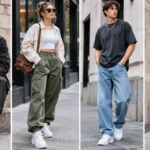
Relaxed silhouettes are another important feature. Wide-leg trousers, comfortable sweaters, and roomy coats provide flexibility for everyday movement and layering. These garments can be combined with more structured pieces to create visual balance. There is no requirement to wear oversized clothing, because comfort and personal preferences should guide individual choices.
Functionality also influences many Scandinavian-inspired outfits. Weather-resistant jackets, practical bags, and suitable footwear can support daily activities in changing conditions. Clothing may serve more than one purpose across different seasons. This emphasis on usefulness makes the aesthetic appealing to people who prefer versatile wardrobes over highly specialized collections.
Scandinavian Fashion Colors and Patterns
Neutral colors form a common foundation for Scandinavian fashion. Black, white, cream, gray, beige, and navy coordinate naturally with wardrobe essentials. These shades allow simple clothing pieces to be mixed without complicated styling. A neutral palette can also make it easier to create several outfits from a relatively small collection.
Earthy shades provide another option for creating Scandinavian-inspired looks. Olive green, chocolate brown, muted blue, and warm camel complement traditional knitwear and structured outerwear. For example, a cream sweater paired with brown trousers creates a comfortable combination. A navy coat can introduce contrast while remaining versatile across different outfits.
However, Scandinavian fashion is not exclusively neutral. Copenhagen street style is especially known for playful colors, striking combinations, and expressive patterns. Bright sweaters, colorful scarves, and checked garments can add personality. Beginners can start with neutral basics and introduce stronger accents according to their preferences.
Essential Pieces for a Scandinavian Wardrobe
A practical Scandinavian wardrobe often begins with basic shirts, comfortable trousers, quality knitwear, and versatile outerwear. Plain T-shirts and button-down shirts work well with jeans or tailored pants. Neutral colors make these garments easy to combine. Choosing comfortable fabrics and dependable construction can improve their usefulness for repeated wear.
Knitted sweaters are particularly recognizable in Nordic-inspired clothing. Crewneck designs, cardigans, and traditional textured knits provide layering options during cooler weather. Wool and cotton blends offer different comfort and care characteristics. The most appropriate material depends on your climate, personal preferences, and any sensitivities to particular fabrics.
A structured coat, simple sneakers, and practical bag can complete many everyday combinations. These pieces add functionality without requiring elaborate styling. However, owning every commonly recommended wardrobe essential is unnecessary. Your collection should reflect the clothing you actually wear and the activities that make up your routine.
How to Style Scandinavian Knitwear
Knitwear plays an important role in Scandinavian fashion because it offers warmth, texture, and versatile styling possibilities. A simple crewneck sweater can be paired with jeans, trousers, or a skirt. Neutral shades create understated outfits, while colorful designs can provide a more expressive interpretation of the aesthetic.
For a classic everyday combination, pair a cream knitted sweater with straight-leg blue jeans and simple sneakers. Add a suitable coat during colder weather. This outfit blends familiar clothing with traditional Nordic-inspired styling. A small shoulder bag or practical backpack can provide convenient storage.
Cardigans offer another option for creating layered outfits. A gray cardigan worn over a plain shirt with relaxed trousers creates a comfortable appearance. You can also combine textured knitwear with tailored pieces for contrast. The key is selecting garments that work naturally with your existing wardrobe rather than purchasing specialized items.
Scandinavian Outfits With Wide-Leg Trousers
Wide-leg trousers are common in contemporary Scandinavian-inspired outfits because they combine a relaxed silhouette with practical styling. They can be worn with simple T-shirts, fitted or loose sweaters, and structured jackets. Different fabrics create different effects, allowing the same general trouser shape to work across several seasons.
A pair of black wide-leg trousers with a white shirt and neutral sneakers creates an understated everyday outfit. Add a beige coat when another layer is needed. This combination uses simple colors and familiar pieces without complicated accessories. It can work for casual offices, commuting, or relaxed social occasions.
For a softer appearance, pair beige trousers with a muted blue sweater and comfortable loafers. A simple tote bag can complete the outfit. Choosing trousers that suit your movement and footwear preferences is important. Scandinavian fashion encourages practical comfort rather than following one required silhouette.
Scandinavian Fashion With Jeans
Jeans are a versatile part of Scandinavian-inspired wardrobes because they work with both casual and tailored clothing. Straight-leg, relaxed, and wide-leg denim can complement knitwear, shirts, and coats. Classic blue denim creates a familiar appearance, while black or gray jeans can support more understated combinations.
A simple outfit includes straight-leg jeans, a white T-shirt, and a structured black blazer. Comfortable sneakers maintain the relaxed character. This combination balances casual denim with more polished tailoring, making it useful for everyday activities. A neutral bag can provide a practical finishing touch.
Another option is to wear blue jeans with a striped sweater and a lightweight coat. This introduces pattern without requiring additional decorative details. The pieces can also be styled separately with other wardrobe essentials. Scandinavian-inspired dressing works especially well when familiar clothing creates multiple useful combinations.
Scandinavian Layering Tips for Everyday Wear
Layering is an important part of Scandinavian fashion because weather conditions can change throughout the day. Combining shirts, knitwear, jackets, and coats provides flexibility for different temperatures. However, layering should remain comfortable rather than creating unnecessary bulk. Each garment should serve a practical or styling purpose.
A simple layered outfit can begin with a cotton T-shirt, followed by a cardigan and a lightweight coat. Straight-leg trousers and comfortable shoes complete the combination. Removing one layer can make the outfit suitable for indoor activities. Neutral colors help the pieces coordinate naturally.
Different textures can also make layered outfits more visually interesting. For example, a smooth cotton shirt contrasts with a textured wool-blend sweater and a structured coat. These combinations do not require bright accessories to feel complete. Choose appropriate fabrics and weights according to your climate and activity level.
Scandinavian Fashion for Women
Scandinavian fashion for women includes a broad range of styles, from minimalist tailoring to playful contemporary streetwear. Common wardrobe pieces include comfortable trousers, simple dresses, knitwear, and practical coats. The aesthetic can be adapted to different preferences without requiring a particular silhouette or clothing category.
A relaxed outfit might include a plain white shirt, wide-leg trousers, and comfortable sneakers. A structured handbag or simple tote provides practical storage. This combination offers an understated appearance while allowing easy movement. A colorful scarf can introduce another detail if desired.
For a slightly more polished interpretation, pair a midi skirt with a knitted sweater and simple loafers. Add a suitable jacket during cooler weather. The contrasting textures create visual interest without complicated styling. These combinations demonstrate how Scandinavian fashion can blend relaxed comfort with traditional wardrobe pieces.
Scandinavian Fashion for Men
Scandinavian fashion for men often combines casual wardrobe essentials with practical tailoring and understated colors. Straight-leg trousers, plain T-shirts, knitted sweaters, and simple jackets are recognizable pieces. These garments provide flexibility for everyday activities. However, contemporary Scandinavian menswear also includes bold streetwear and experimental styling.
A classic combination includes navy trousers, a cream sweater, and comfortable white sneakers. Add a neutral coat when the weather requires another layer. This outfit uses coordinated colors and familiar clothing without excessive decorative details. It works naturally for casual outings and many smart casual environments.
Another option pairs relaxed jeans with a button-down shirt and lightweight jacket. Simple leather-style shoes or sneakers can complete the combination. These wardrobe pieces are easy to mix with other essentials. Personal comfort and appropriate clothing for the occasion should remain more important than following a fixed formula.
Scandinavian Fashion for Summer
Summer Scandinavian-inspired outfits often feature breathable fabrics, relaxed silhouettes, and lightweight clothing. Cotton shirts, linen-blend trousers, simple dresses, and comfortable sandals are practical options. Light colors can create fresh combinations, while minimal layers support comfort during warmer conditions. The exact clothing choices should reflect local temperatures.
A summer outfit might include a white cotton shirt, beige trousers, and understated sandals. A canvas tote provides convenient storage for everyday essentials. This combination creates a simple appearance suitable for casual outings. Choosing breathable fabrics can help maintain comfort when temperatures rise.
For another option, pair a relaxed midi dress with simple sneakers and a lightweight overshirt. The combination introduces a modern casual element while remaining practical. Bright accessories can provide variety when desired. Summer Scandinavian fashion does not require heavy knitwear or coats simply because those garments are associated with Nordic climates.
Scandinavian Fashion for Autumn and Winter
Autumn and winter are particularly suitable for Scandinavian-inspired layering. Knitted sweaters, warm coats, comfortable trousers, and weather-appropriate footwear form the foundation of many seasonal outfits. Dark neutrals, cream, camel, and earthy colors coordinate well with traditional knitwear. Practical warmth should remain the main priority.
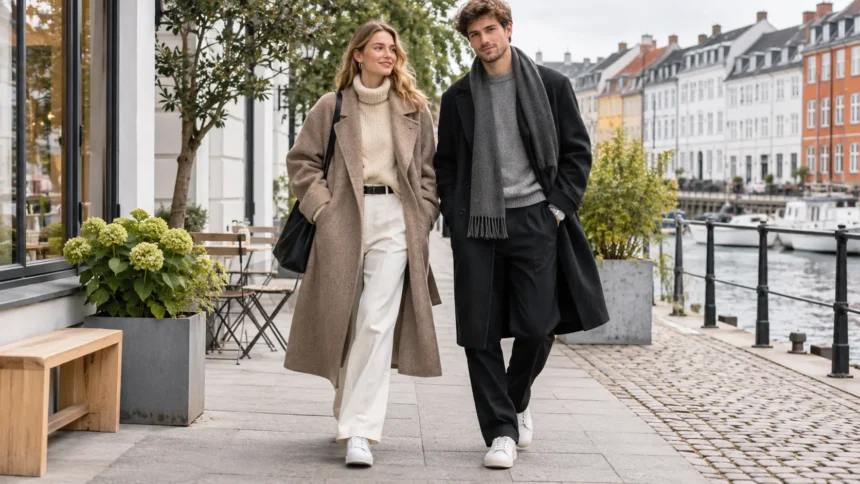
A classic winter combination includes a cream sweater, dark trousers, and a suitable wool-blend coat. Add a scarf and comfortable boots appropriate for local weather conditions. This creates a coordinated outfit with useful layers. The individual garments can also be combined with other wardrobe essentials.
For a more casual appearance, pair straight-leg jeans with a textured cardigan and insulated jacket. Suitable footwear and gloves may provide additional protection during colder conditions. Avoid choosing clothing based only on fashion photographs when the weather requires different materials. The aesthetic works best when functionality supports everyday comfort.
Best Shoes for Scandinavian Fashion
Scandinavian-inspired outfits commonly feature simple sneakers, loafers, ankle boots, and practical sandals. These styles complement both relaxed and tailored clothing. Neutral colors such as black, white, brown, and beige provide flexibility across different outfits. However, footwear should suit the activity and expected weather.
White sneakers can complement jeans, wide-leg trousers, skirts, and simple dresses. Their familiar appearance works naturally with minimalist clothing and more colorful streetwear. Loafers provide a slightly more polished alternative for smart casual outfits. Both options can support everyday styling when they feel comfortable.
During colder or wetter conditions, appropriate boots may provide better protection than lightweight shoes. Choose designs suited to local surfaces and weather rather than selecting footwear only for appearance. A practical shoe collection should reflect your daily needs. Scandinavian fashion is flexible enough to include different footwear preferences.
Accessories That Complete Scandinavian Outfits
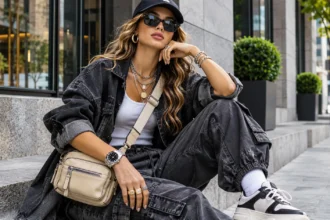
Accessories in Scandinavian-inspired fashion often emphasize practicality and versatile design. Simple handbags, canvas totes, scarves, and understated jewelry are common choices. These items can complement clothing without dominating the outfit. However, expressive accessories also have a place in contemporary Nordic street style.
A structured shoulder bag can create a polished appearance when paired with tailored trousers and a coat. A canvas tote provides a more casual alternative for everyday activities. Neutral colors are easy to coordinate, while a bright bag can introduce contrast. Choosing practical storage makes accessories more useful beyond styling.
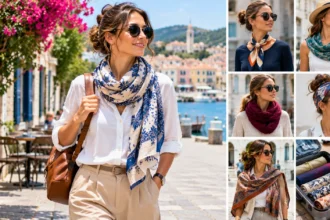
Scarves, knitted hats, and simple watches provide additional finishing touches. During colder seasons, these items may serve important functional purposes. You do not need numerous accessories to create a complete outfit. A few pieces that complement your wardrobe can offer plenty of variety without unnecessary spending.
Scandinavian Style vs. Minimalist Fashion
Scandinavian fashion and minimalist style share an appreciation for simple clothing, versatile pieces, and coordinated colors. Both may include plain shirts, tailored trousers, and understated outerwear. However, Scandinavian fashion also includes regional streetwear influences and expressive combinations that go beyond strict minimalism.
Minimalist fashion generally focuses on reducing unnecessary visual details and maintaining streamlined outfits. Scandinavian-inspired clothing can include oversized silhouettes, bold colors, patterned knitwear, and playful accessories. These differences are not absolute because both aesthetics continue to evolve. Many garments can work naturally within either style.
For everyday dressing, combining minimalist basics with Scandinavian-inspired layers can create practical outfits. A neutral sweater and trousers may provide a simple foundation, while a colorful coat introduces more personality. The balance depends on individual preferences. There is no need to choose one aesthetic exclusively.
How to Build a Scandinavian Capsule Wardrobe
A Scandinavian capsule wardrobe focuses on a manageable collection of clothing that coordinates across multiple outfits. Start with plain shirts, comfortable jeans, versatile trousers, and suitable knitwear. Add outerwear based on local climate and daily activities. These pieces provide a flexible foundation without requiring an extensive wardrobe.
A consistent color palette can make mixing garments easier. Black, white, gray, navy, and beige provide useful combinations. One or two accent colors can introduce variety. Traditional stripes or textured knits may also add visual interest without complicating the collection.
Review your current wardrobe before purchasing new clothing. You may already own many pieces associated with Scandinavian style, including basic sweaters and straight-leg trousers. Add garments gradually when they serve a genuine purpose. A thoughtful capsule wardrobe can simplify everyday dressing while reducing unnecessary expenses.
How to Dress Scandinavian on a Budget
Scandinavian-inspired fashion does not require luxury brands or expensive designer labels. Many recognizable pieces, including neutral sweaters, plain shirts, and casual trousers, are available at different prices. The aesthetic emphasizes versatile combinations rather than specific brands. Affordable clothing can create suitable outfits when chosen thoughtfully.
Secondhand shopping is another practical option for building a Scandinavian-inspired wardrobe. Thrift stores and resale platforms may offer quality knitwear, simple coats, and traditional trousers. Check garment condition, fabric care requirements, and fit before buying. Selecting durable secondhand pieces can provide good value while reducing unnecessary clothing purchases.
You can also create new combinations using clothing you already own. A plain sweater paired with relaxed jeans and familiar sneakers may establish the aesthetic immediately. Adding a structured coat or colorful scarf can provide variety. Thoughtful styling often matters more than purchasing an entirely new wardrobe.
Common Scandinavian Fashion Mistakes to Avoid
One common mistake is assuming that Scandinavian fashion must include only black, white, and beige clothing. Although neutral colors are popular, Scandinavian street style also embraces bright shades and expressive patterns. Avoid limiting your wardrobe unnecessarily. Personal preferences should guide your color choices.
Another mistake is buying oversized garments simply because relaxed silhouettes are associated with the aesthetic. Clothing should still feel comfortable and support your usual activities. Very loose layers are not automatically more stylish or practical. Choose shapes that suit your movement and personal preferences rather than following one prescribed appearance.
Ignoring climate is another problem when recreating Scandinavian-inspired outfits. Heavy knitwear may be unsuitable in hot regions, while lightweight clothing may not provide enough warmth during winter. Adapt fabrics and layers to the actual weather. The most practical interpretation of Scandinavian fashion combines recognizable styling with everyday functionality.
How to Make Scandinavian Fashion Your Own
Personalizing Scandinavian fashion begins with identifying the elements you enjoy most. Some people prefer minimalist clothing and neutral colors, while others enjoy colorful knitwear and relaxed silhouettes. You can incorporate selected pieces without adopting every aspect of the aesthetic. This flexibility makes it suitable for different lifestyles.
Your daily routine should influence which garments you choose. Students may prefer casual jeans and comfortable sneakers, while professionals might select tailored trousers and structured jackets. People living in warm climates can focus on breathable materials. Practical clothing choices help make Scandinavian-inspired outfits easier to wear regularly.
Combining Scandinavian elements with other fashion styles can create distinctive results. A structured coat may complement streetwear, while a textured sweater can work with classic trousers. These combinations allow personal expression without strict rules. The best outfits reflect your preferences, comfort, and everyday needs.
Conclusion
Scandinavian fashion style combines practical clothing, comfortable silhouettes, versatile layers, and thoughtful design. Neutral colors, knitted sweaters, tailored coats, and relaxed trousers are recognizable elements, but modern Nordic street style also includes colorful and expressive combinations. This flexibility makes the aesthetic suitable for different personal preferences.
Building a Scandinavian-inspired wardrobe does not require expensive clothing or an entirely new collection. Start with familiar basics, choose useful layers, and experiment with coordinated colors. Comfortable footwear and climate-appropriate fabrics help maintain practicality. Thoughtful combinations can create numerous outfits from a manageable number of garments.
Whether you enjoy minimalist dressing or more playful contemporary styling, Scandinavian fashion offers plenty of opportunities for creativity. Its practical approach can blend naturally with existing wardrobe essentials. By prioritizing comfort, versatility, and personal expression, you can create outfits that remain useful beyond temporary trends.
Frequently Asked Questions
What Is Scandinavian Fashion Style?
Scandinavian fashion style combines simple clothing, practical details, comfortable silhouettes, and versatile wardrobe essentials. It often includes knitwear, tailored coats, relaxed trousers, and understated footwear, although colorful streetwear is also popular.
What Are the Main Features of Scandinavian Fashion?
Common features include clean designs, comfortable layering, practical outerwear, neutral colors, and versatile garments. Contemporary Scandinavian fashion can also incorporate bold colors, playful patterns, and expressive silhouettes.
What Colors Are Popular in Scandinavian Outfits?
Black, white, beige, gray, navy, and earthy shades are popular foundations. However, brighter colors such as red, green, blue, and yellow can also feature in modern Scandinavian-inspired outfits.
Can You Wear Scandinavian Fashion in Summer?
Yes, summer Scandinavian-inspired outfits can include breathable cotton shirts, linen-blend trousers, lightweight dresses, and comfortable sandals. Choose fabrics and layers that suit warm weather rather than relying on heavy winter clothing.
Is Scandinavian Fashion Expensive?
No, Scandinavian-inspired fashion can be created using affordable basics, secondhand garments, and existing wardrobe pieces. Versatile clothing, practical fabrics, and thoughtful styling matter more than purchasing expensive designer labels.