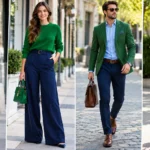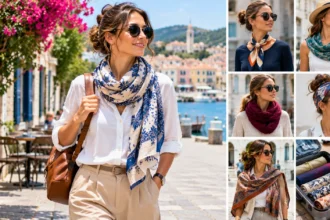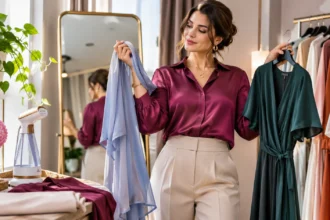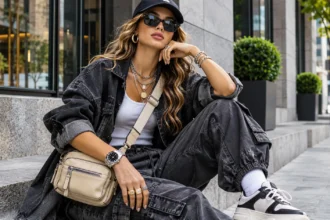


Dressing for work does not always mean wearing a formal suit or following strict office fashion rules. Many workplaces now encourage comfortable clothing that maintains a professional appearance while allowing personal expression. From tailored trousers and stylish blazers to comfortable sweaters and polished shoes, business casual outfits offer numerous possibilities for everyday workwear.
However, understanding what qualifies as business casual can sometimes feel confusing because dress codes vary between industries and companies. Some workplaces allow jeans and sneakers, while others prefer structured clothing and traditional office footwear. Choosing suitable colors, fabrics, and garment combinations can help create a versatile wardrobe. This guide explores practical business casual outfit ideas, essential clothing pieces, and easy styling tips for different occasions.
What Are Business Casual Outfits?
Business casual outfits combine professional clothing with comfortable everyday pieces. This dress code generally offers more flexibility than traditional formal business attire while maintaining a workplace-appropriate appearance. Common examples include tailored trousers, chinos, button-down shirts, blouses, sweaters, and blazers. The exact requirements depend on the organization and its working environment.
Unlike formal business attire, business casual clothing does not always require matching suits or traditional dress shoes. Employees can often experiment with different garment combinations and accessories. However, clothing should still match the workplace’s expectations. Understanding company policies can help prevent confusion when choosing outfits.
Business casual fashion emphasizes practical clothing that supports everyday work activities. Comfortable fabrics, suitable footwear, and reliable layering options can make long workdays more convenient. Personal style can also influence the final look. A thoughtful wardrobe balances professional presentation with individual preferences and comfort.
Essential Clothing Pieces for a Business Casual Wardrobe
Building a business casual wardrobe begins with selecting versatile pieces that work well together. Tailored trousers, chinos, comfortable shirts, lightweight sweaters, and structured jackets provide useful foundations. Neutral colors are convenient because they coordinate with many different garments. However, colorful pieces can also fit naturally into professional outfits.
A well-fitting blazer is another useful wardrobe addition. It can make a simple shirt and trousers combination appear more structured when needed. Cardigans and knitwear provide alternatives for workplaces with relaxed expectations. Choosing different layers allows outfits to adapt to changing temperatures.
Footwear and accessories also contribute to the overall appearance. Loafers, flats, ankle boots, and other suitable shoes can complement different clothing styles. A practical bag or simple belt may complete the outfit. Purchasing pieces according to everyday needs helps create a functional wardrobe without unnecessary spending.
Business Casual Outfit Ideas With Blazers
Blazers are versatile clothing pieces that can be styled for meetings, office days, and professional events. They create a structured appearance without requiring a complete formal suit. A neutral blazer can be combined with trousers, skirts, or appropriate jeans. The result depends on the surrounding garments and workplace dress expectations.
For a simple business casual outfit, pair a navy blazer with a plain shirt and beige trousers. Comfortable loafers or other suitable shoes can complete the combination. Another option is wearing a relaxed blazer over a lightweight knit top. These outfits provide flexibility while maintaining a polished appearance.
Blazer fit is important because structured garments should allow comfortable shoulder and arm movement. Check sleeve length, fastening placement, and available space for layering. Some people prefer tailored designs, while others enjoy relaxed silhouettes. Choose a style that supports your activities and reflects your personal taste.
How to Style Business Casual Outfits With Jeans
Jeans can work as business casual clothing in workplaces that allow denim. The most suitable choices often depend on the company’s dress code and the design of the jeans. Dark washes and simple finishes are common options for professional settings. However, personal preferences and workplace expectations should guide the decision.
Straight-leg jeans paired with a button-down shirt and blazer create a practical smart-casual combination. Another option involves wearing comfortable denim with a fine-knit sweater. Loafers or suitable ankle boots can complement the outfit. These combinations allow familiar clothing pieces to become part of a work wardrobe.
Avoid assuming every denim style is appropriate for every office. Some organizations restrict distressed designs, certain washes, or particularly casual clothing. Reviewing workplace guidelines helps determine which options are acceptable. When jeans are permitted, comfortable fit and appropriate styling can make them useful for everyday workwear.
Business Casual Outfits With Tailored Trousers
Tailored trousers are a reliable foundation for business casual fashion because they work with numerous tops and layers. Straight-leg, wide-leg, and tapered designs provide different styling possibilities. Choosing a suitable fit helps maintain comfort throughout the workday. Fabric and construction also influence how formal or relaxed the trousers appear.
A simple outfit might include black tailored trousers with a light-colored blouse or button-down shirt. Adding a cardigan can create a softer appearance, while a blazer provides additional structure. Comfortable shoes complete the combination. Neutral trousers are particularly useful because they pair with many colors.
Trousers should allow natural movement while sitting, walking, and reaching. Check waistband comfort, pocket construction, and garment length before purchasing. Some designs may require minor hemming adjustments. Selecting practical trousers makes it easier to build a versatile collection of professional outfits.
Business Casual Outfit Ideas With Chinos
Chinos are a popular choice for business casual clothing because they offer a relaxed alternative to traditional dress trousers. They are commonly made from cotton or cotton-blend fabrics and come in different colors. Their simple design makes them suitable for numerous office outfits. They can be styled with both structured and casual pieces.
Beige chinos paired with a white shirt create a classic combination. Navy or olive chinos can also work with neutral sweaters and button-down shirts. A lightweight jacket may provide additional layering during cooler weather. The final look can be adjusted according to the workplace environment.
When choosing chinos, consider the fit around the waist, hips, and legs. Some people prefer straight cuts, while others enjoy relaxed or tapered designs. Comfortable footwear helps complete the outfit. Chinos are especially useful for creating practical workwear without relying entirely on formal clothing.
How to Wear Sweaters for Business Casual Style
Sweaters are comfortable wardrobe essentials that can work well in business casual environments. Fine-knit pullovers, cardigans, and simple crew-neck designs can provide warmth without appearing overly formal. Their suitability depends on fabric, fit, and overall styling. Choosing appropriate layers helps maintain comfort during changing temperatures.
A plain sweater can be paired with tailored trousers or chinos for an easy office outfit. Layering a collared shirt underneath creates another styling option. Cardigans can also be worn over blouses or simple tops. These combinations offer flexibility without requiring complicated wardrobe planning.
Consider the fabric when selecting knitwear for regular office use. Cotton, wool blends, and other suitable materials provide different levels of warmth and softness. Follow garment care instructions to help maintain shape and texture. Comfortable knitwear can make business casual outfits more practical during cooler seasons.
Business Casual Dresses and Skirts for Work
Dresses and skirts offer additional possibilities for business casual outfits. Shirt dresses, wrap dresses, knit dresses, and simple structured designs can suit different office environments. The most appropriate choice depends on the workplace’s dress code and personal comfort. Fabric and garment construction influence how each piece looks and feels.
A midi dress paired with a cardigan or blazer creates a versatile work outfit. Skirts can be combined with sweaters, blouses, or button-down shirts. Simple accessories provide additional styling options. These combinations allow familiar wardrobe pieces to work across different professional occasions.
When selecting dresses and skirts, consider movement, seating comfort, and garment fit. Some workplaces may have specific guidelines regarding clothing length or coverage. Reviewing these requirements helps avoid uncertainty. Choosing comfortable designs makes it easier to remain focused on everyday activities.
Best Business Casual Shoes for the Office
Shoes play an important role in business casual styling because they influence both comfort and overall appearance. Loafers, flats, ankle boots, and certain clean sneakers may suit different workplace environments. The best option depends on company policies and daily activities. Footwear should support comfortable movement throughout the workday.
Loafers are versatile because they can complement jeans, chinos, trousers, and skirts. Ankle boots may work well during cooler weather, while flats provide another practical option. Some modern workplaces also accept simple sneakers. However, not every office considers athletic footwear appropriate.
Before purchasing work shoes, consider how much time you spend walking or standing. Proper fit, suitable materials, and comfortable support are important. Shoes that look professional but cause discomfort may not be practical for regular use. A small collection of versatile footwear can complement numerous business casual outfits.
Business Casual Color Combinations That Work
Color coordination can make planning office outfits easier and more enjoyable. Neutral shades such as navy, black, gray, white, beige, and brown are common business casual choices. These colors provide flexible combinations for different garments. However, a professional wardrobe does not need to contain only neutral clothing.
A navy shirt paired with beige trousers creates a simple coordinated outfit. Gray trousers can work with white, blue, or pastel-colored tops. Earth tones also provide interesting combinations when mixed with neutral pieces. Choosing colors you enjoy helps make workwear feel more personal.
Patterns and brighter colors can add variety to office clothing. Striped shirts, subtle checks, and patterned accessories may complement simple trousers or jackets. Some workplaces encourage creative fashion, while others prefer more traditional styles. Consider the environment and use color combinations that match your preferences.
Business Casual Outfits for Summer
Summer business casual outfits should consider workplace expectations alongside warm-weather comfort. Lightweight shirts, breathable trousers, and suitable dresses can provide practical options. Cotton, linen blends, and other appropriate materials may help manage warmer conditions. However, very lightweight fabrics can vary in durability and appearance.
A short-sleeved collared shirt with chinos is one possible warm-weather combination. Lightweight blouses and relaxed tailored trousers offer additional choices. A thin cardigan or blazer may be useful in air-conditioned workplaces. These layers provide flexibility when moving between indoor and outdoor temperatures.
Footwear should also match the working environment. Some offices allow suitable sandals or lightweight shoes, while others maintain stricter requirements. Review workplace guidelines before choosing open-toe footwear. Comfortable fabrics and practical clothing combinations can make summer workdays more manageable.
Business Casual Outfits for Winter
Winter business casual clothing combines warmth with practical workplace styling. Sweaters, coats, cardigans, and layered shirts provide different options for colder conditions. Structured outerwear can complement everyday office clothing. Choosing suitable fabrics helps maintain comfort when traveling between outdoor and indoor spaces.
A fine-knit sweater paired with tailored trousers creates a simple winter outfit. Add a coat and comfortable boots for additional warmth. Another option is layering a cardigan over a button-down shirt. These combinations can be adjusted according to the temperature and work setting.
Avoid selecting winter layers that restrict movement or feel uncomfortable when worn together. Check whether jackets fit over sweaters without pulling at the shoulders. Proper fabric care can also help maintain garment shape. Practical layering supports comfort without requiring a completely separate wardrobe for every season.
Business Casual Outfits for Interviews and Meetings
Professional meetings and interviews may require slightly more formal clothing than everyday office activities. The expected dress code depends on the industry, organization, and occasion. Researching the environment beforehand can help guide your choices. When uncertain, simple structured clothing often provides a flexible starting point.
A blazer with tailored trousers and a plain shirt is one option for a polished business casual outfit. A suitable dress or skirt with a structured layer can also work. Neutral colors provide easy combinations, but personal style may still influence the look. Choose garments that allow comfortable movement and confidence.
Avoid wearing unfamiliar clothing that requires constant adjustments. Check the fit, cleanliness, and condition of each item before the event. Comfortable footwear is particularly important when commuting or walking between locations. Thoughtful preparation helps keep attention on the meeting rather than the outfit.
How to Build a Business Casual Capsule Wardrobe
A capsule wardrobe is a small collection of clothing pieces selected to work well together. For business casual fashion, it may include trousers, shirts, sweaters, a blazer, and suitable footwear. The aim is to create several outfit combinations using fewer items. This approach can simplify everyday wardrobe planning.
Begin by reviewing the clothing you already own and identifying pieces appropriate for your workplace. Choose a few coordinating colors to make mixing garments easier. Add layers that work across different seasons when practical. The collection should reflect your actual schedule and daily clothing needs.
A capsule wardrobe does not require strict limits on the number of garments. Some people prefer a minimal selection, while others need more variety for different activities. Regularly reviewing your wardrobe helps identify genuinely useful additions. Practical planning can reduce unnecessary purchases and make workday styling more convenient.
Common Business Casual Styling Mistakes to Avoid
One common mistake is assuming business casual means the same thing in every workplace. Dress expectations can differ significantly between companies and industries. Clothing suitable for a creative office may not match the requirements of a traditional professional environment. Reviewing workplace policies helps prevent misunderstandings.
Another mistake is selecting garments based only on appearance without considering comfort. Tight closures, unsuitable footwear, or restrictive fabrics can make long workdays inconvenient. Try clothing through ordinary movements before purchasing. A practical outfit should support your activities rather than require constant attention.
Some people also believe business casual fashion must follow strict color or styling rules. However, appropriate workplace clothing can still reflect individual preferences. Personal expression is possible through different fabrics, silhouettes, and accessories. Focus on suitable presentation and comfortable fit rather than trying to follow every fashion trend.
How to Maintain Business Casual Clothing
Proper garment care helps business casual outfits retain their intended appearance. Shirts, trousers, sweaters, and blazers may require different cleaning methods depending on their materials. Always check the care label before washing or drying. Following suitable instructions helps reduce unwanted shrinkage, fading, and fabric damage.
Inspect work clothing occasionally for loose buttons, damaged seams, or worn hems. Small repairs can prevent more noticeable problems later. Appropriate storage also helps preserve garment shape. Hanging certain structured pieces and folding suitable knitwear can support long-term maintenance.
You do not need to replace clothing simply because it has been worn frequently. Well-maintained basics can remain useful across different seasons and outfit combinations. Alterations may also improve the comfort of existing garments. Caring for your wardrobe supports practical shopping habits and reduces unnecessary expenses.
Conclusion
Business casual outfits provide a flexible way to combine professional clothing with everyday comfort and personal style. Tailored trousers, chinos, button-down shirts, blazers, sweaters, and suitable footwear offer numerous outfit combinations. The most appropriate choices depend on workplace policies and individual preferences. Understanding these expectations helps simplify daily dressing.
Building a versatile business casual wardrobe involves selecting comfortable garments that work well together. Neutral colors can provide a useful foundation, while patterns and brighter pieces add variety. Seasonal layers and practical accessories also help outfits adapt to different situations. Thoughtful clothing choices make workplace styling easier without requiring excessive shopping.
Ultimately, business casual fashion is about dressing appropriately while maintaining comfort and individuality. You do not need an expensive wardrobe or complicated styling routine to create practical office outfits.