
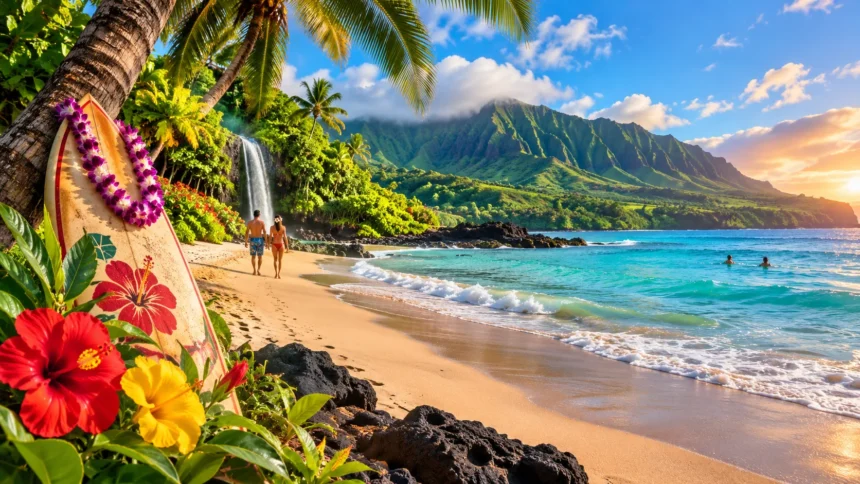
When someone mentions Hawaii, you probably imagine palm trees, turquoise waters, and beautiful sunsets. However, if you look beyond these familiar images, you will discover a destination with remarkable history, diverse landscapes, and meaningful cultural traditions.
So, what is Hawaii known for besides its tropical beaches? From active volcanoes and ancient Polynesian traditions to world-famous surfing and distinctive cuisine, Hawaii has a unique identity that sets it apart from other destinations.
Whether you are planning a vacation or simply curious about the islands, understanding their heritage can make your experience more meaningful. This guide explores Hawaii’s meaning, famous attractions, cultural traditions, and interesting facts.
Where Is Hawaii Located?
Many people know Hawaii belongs to the United States but are unfamiliar with its geographical location. Hawaii is an island state situated in the central Pacific Ocean. It lies thousands of miles away from the continental United States.
The Hawaiian archipelago consists of numerous islands, smaller islets, and reefs formed through volcanic activity. However, eight main islands are commonly associated with the state. Each has distinctive geographical features, natural attractions, and cultural characteristics.
Hawaii’s remote location has contributed to the development of unique ecosystems and cultural traditions. Its isolation also explains why many native plants and animals cannot be found naturally anywhere else in the world.
What Does the Name Hawaii Mean?
The name Hawaii, traditionally written as Hawaiʻi, carries important historical and cultural significance. Its precise linguistic origin remains uncertain, although it is often associated with ancestral homeland names found across Polynesia.
One traditional account connects the name with Hawaiʻiloa, a legendary Polynesian navigator. However, this explanation belongs to Hawaiian oral tradition rather than confirmed historical evidence. Several interpretations exist concerning the name’s origins.
Today, Hawaiʻi refers to both the entire state and its largest island. Visitors often call the largest island the Big Island to avoid confusion. Understanding this distinction makes learning about Hawaiian geography considerably easier.
Why Is Hawaii Called the Aloha State?
Visitors frequently hear the word aloha when arriving in Hawaii. Although it is commonly used as a greeting or farewell, its cultural meaning extends much further. Aloha expresses ideas of love, compassion, kindness, and mutual respect.
The Aloha State nickname reflects the importance of these values within Hawaiian culture. Aloha encourages meaningful relationships between individuals, communities, and the natural environment. It represents more than a simple expression of hospitality.
Visitors can demonstrate respect for the spirit of aloha through considerate behavior. Learning about local traditions, respecting residents, and protecting natural environments are meaningful ways to appreciate Hawaiian culture.
12 Things Hawaii Is Famous For
Hawaii offers much more than attractive beaches and luxurious resorts. Its volcanic geography, Indigenous heritage, and diverse communities create a distinctive identity. Understanding these features reveals why the islands attract worldwide interest.
Here are twelve famous things that make Hawaii a remarkable destination.
1. Beautiful Tropical Beaches
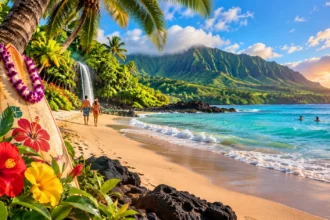
Hawaii is internationally recognized for its picturesque coastline and diverse beaches. Visitors can discover white-sand beaches, volcanic black-sand shores, and dramatic rocky coastlines. Each island offers different coastal landscapes.
Some of the most recognizable beaches include Waikīkī Beach, Punaluʻu Black Sand Beach, and Kā‘anapali Beach. These locations attract visitors interested in coastal scenery, relaxation, and photography. Always check local ocean safety guidance before entering the water.
2. Active Volcanoes
Hawaii’s volcanic landscapes are among its most remarkable natural features. The islands formed as volcanic activity gradually created mountains rising from the Pacific Ocean floor. Some Hawaiian volcanoes remain active today.
Kīlauea and Mauna Loa are particularly famous for their geological significance. Hawaiʻi Volcanoes National Park provides opportunities to learn about volcanic formations and their cultural importance. Visitors should remain within designated areas and follow official safety instructions.
3. Traditional Hula Dancing
Hula is one of the most recognizable expressions of Native Hawaiian culture. However, describing it simply as entertainment overlooks its deeper significance. Hula communicates stories, historical events, genealogy, and cultural knowledge through movement and accompanying chants or songs.
Traditional and contemporary forms of hula reflect different artistic practices. Cultural festivals and educational programs provide opportunities to appreciate this living tradition. Understanding its background helps visitors recognize the meaning behind each performance.
4. World-Famous Surfing Culture
Surfing has deep historical roots in Hawaiian culture. Native Hawaiians practiced wave riding for generations before the sport became internationally popular. Surfing reflects a longstanding connection between island communities and the ocean.
Oʻahu’s North Shore is famous for powerful ocean waves and professional surfing events. Duke Kahanamoku also played an important role in introducing modern surfing to international audiences. Visitors can appreciate surfing culture by observing professional athletes from designated viewing areas.
5. Unique Wildlife and Marine Life
Hawaii’s geographical isolation has contributed to remarkable biodiversity. Numerous native plants, birds, and other animals developed distinctive characteristics over long periods. Some species are found naturally only within the Hawaiian Islands.
Hawaiian monk seals, green sea turtles, and native forest birds are notable examples of local wildlife. Humpback whales also visit Hawaiian waters seasonally. Responsible wildlife observation helps protect these animals and their habitats.
6. Delicious Hawaiian Food
Hawaii’s culinary traditions reflect Indigenous heritage and influences from communities that settled on the islands. Japanese, Filipino, Portuguese, Chinese, and other food traditions have contributed to Hawaii’s diverse dining culture.
Traditional Hawaiian dishes include poi, laulau, and kālua pig. Popular local foods also include poke, plate lunches, and shave ice. Exploring these dishes provides insight into the islands’ agricultural traditions and multicultural history.
7. Traditional Flower Lei
A lei is a decorative garland made from flowers, leaves, shells, feathers, or other materials. Lei have longstanding cultural significance and are often associated with affection, respect, celebration, and remembrance.
People exchange lei during graduations, weddings, birthdays, and other important occasions. Their significance extends beyond welcoming tourists. Learning about the craftsmanship behind lei making helps visitors appreciate this meaningful Hawaiian tradition.
8. Spectacular Waterfalls and Rainforests
Hawaii’s varied rainfall patterns support beautiful forests, valleys, and waterfalls. Mountainous terrain influences local weather, creating greener conditions in many windward areas. These landscapes offer a striking contrast to the islands’ drier regions.
ʻAkaka Falls on Hawaiʻi Island and Wailua Falls on Kauaʻi are recognizable natural attractions. Visitors can appreciate their surroundings from established viewing areas. Protecting these environments requires respecting trails, closures, and conservation guidelines.
9. Pearl Harbor and Historical Landmarks
Hawaii occupies an important place in American and international history. Pearl Harbor is widely recognized because of the December 7, 1941, attack that led the United States to enter World War II.
Today, historical sites around Pearl Harbor preserve memories of those affected and provide educational resources. Other significant landmarks, including ʻIolani Palace, offer insight into Hawaii’s monarchy and political history. Together, these sites reveal important chapters of the islands’ past.
10. Kona Coffee
Hawaii is famous for its locally grown coffee, particularly coffee produced in the Kona region of Hawaiʻi Island. The area’s volcanic soil, elevation, and climatic conditions contribute to its distinctive agricultural characteristics.
Coffee farms provide insight into local farming practices and the work involved in producing coffee beans. Agricultural festivals also celebrate the region’s farming heritage. Kona coffee remains a recognizable part of Hawaii’s international reputation.
11. The Nā Pali Coast
The Nā Pali Coast on Kauaʻi is famous for towering sea cliffs, green valleys, and dramatic coastal scenery. Its rugged landscape demonstrates how geological processes and erosion have shaped the Hawaiian Islands.
The region has also appeared in films and photographs because of its distinctive appearance. Visitors can appreciate similar coastal scenery from accessible viewpoints on Kauaʻi. Weather conditions and conservation restrictions influence access to certain areas.
12. Rich Polynesian Heritage
Hawaii’s identity is deeply connected to its Polynesian roots. Early Polynesian voyagers reached the islands using sophisticated navigation knowledge and traditional sailing canoes. Over generations, a distinctive Native Hawaiian culture developed.
Traditional agriculture, storytelling, language, music, and craftsmanship remain important aspects of Hawaiian heritage. Cultural organizations continue working to preserve and strengthen these traditions. Understanding this heritage allows visitors to appreciate Hawaii beyond its reputation as a vacation destination.
What Are the Eight Main Islands of Hawaii?
Many first-time visitors assume Hawaii is a single island. However, the state contains several islands with different landscapes, communities, and historical significance. Knowing their individual characteristics helps you understand Hawaii’s geographical diversity.
| Hawaiian Island | What It Is Known For |
|---|---|
| Hawaiʻi | Active volcanoes, black-sand beaches, and Kona agriculture |
| Maui | Haleakalā, scenic coastlines, and waterfalls |
| Oʻahu | Honolulu, Waikīkī Beach, and Pearl Harbor |
| Kauaʻi | Nā Pali Coast, green valleys, and Waimea Canyon |
| Molokaʻi | Local traditions, rural landscapes, and sea cliffs |
| Lānaʻi | Quiet surroundings and distinctive natural landscapes |
| Niʻihau | Private ownership and strong Hawaiian language traditions |
| Kahoʻolawe | Cultural significance and environmental restoration |
Six of these islands are generally associated with visitor travel. Niʻihau and Kahoʻolawe have significant access restrictions. Visitors should always respect local communities, private property, and protected cultural areas.
What Food Is Hawaii Known For?
Exploring Hawaiian cuisine can be confusing because traditional Native Hawaiian dishes differ from some modern local foods. Hawaii’s multicultural population has influenced its culinary identity. Both Indigenous and immigrant food traditions contribute to its distinctive flavors.
Some famous foods in Hawaii include:
- Poi: A traditional food made from cooked and pounded taro.
- Poke: A dish commonly prepared with seasoned pieces of fish.
- Laulau: Traditionally prepared with ingredients wrapped in taro leaves.
- Kālua pig: Pork traditionally cooked using an underground oven.
- Loco moco: A local dish featuring rice, a hamburger patty, egg, and gravy.
- Shave ice: Finely shaved ice served with flavored syrups.
- Haupia: A traditional coconut-based dessert.
- Malasadas: Portuguese-style fried dough pastries popular in Hawaii.
Local markets and independent restaurants provide opportunities to explore these culinary traditions. Remember that some dishes originated outside Hawaii and became part of its local culture. This diversity reflects the islands’ complex history.
What Is Hawaii Known for Historically?
Hawaii’s history extends far beyond its relationship with the United States. Polynesian voyagers settled the islands centuries before European contact. Their communities developed sophisticated agricultural practices, navigation systems, and political institutions.
King Kamehameha I unified the major Hawaiian Islands under one kingdom by 1810. In 1893, the Hawaiian monarchy was overthrown by a group supported by American officials and military forces. The United States annexed Hawaii in 1898.
Hawaii became the 50th American state on August 21, 1959. The overthrow and annexation remain significant subjects in discussions about Native Hawaiian rights and sovereignty. Understanding this history provides important context for the islands’ present-day identity.
What Language Do People Speak in Hawaii?
Travelers may wonder whether English is the only language spoken across the islands. Hawaii recognizes both English and Hawaiian, known as ʻŌlelo Hawaiʻi, as official state languages. Other languages reflect the state’s diverse communities.
Learning a few Hawaiian words can help visitors better appreciate local culture.
| Hawaiian Word | Common Meaning |
|---|---|
| Aloha | Love, affection, greeting, or farewell |
| Mahalo | Thank you or gratitude |
| ʻOhana | Family |
| Kuleana | Responsibility or privilege |
| Keiki | Child or children |
| ʻĀina | Land |
| Kai | Sea |
| Mauka | Toward the mountains |
| Makai | Toward the ocean |
Hawaiian language revitalization efforts support education and cultural preservation. Visitors should make an effort to respect correct pronunciation and spelling. Even learning a few expressions can provide meaningful cultural insight.
Why Is Hawaii’s Natural Environment So Unique?
Hawaii’s landscapes may appear similar to other tropical destinations at first. However, the islands’ volcanic origins and geographical isolation create distinctive environmental conditions. Mountains, forests, coastal areas, and volcanic deserts can exist within relatively short distances.
Different elevations and rainfall patterns produce numerous microclimates. While one part of an island experiences sunshine, another may receive significant rainfall. Higher mountain elevations can even experience freezing temperatures and occasional snowfall.
These environmental differences support remarkable biodiversity. However, invasive species, habitat loss, and climate change threaten many native ecosystems. Conservation programs play an essential role in protecting Hawaii’s natural heritage.
Interesting Facts About Hawaii You Should Know
Hawaii has several geographical, historical, and cultural characteristics that distinguish it from other American states. Learning these facts provides a clearer understanding of the islands and their significance.
Here are some interesting facts about Hawaii:
- Hawaii became the 50th US state in 1959.
- Honolulu is the state capital.
- Hawaii is the only US state composed entirely of islands.
- The Hawaiian alphabet contains 13 letters, including the ʻokina.
- The yellow hibiscus is the official state flower.
- The nēnē, or Hawaiian goose, is the state bird.
- Hawaii does not observe daylight saving time.
- ʻIolani Palace is the only official royal palace in the United States.
- Hawaiʻi Island is the largest of the Hawaiian Islands.
- Mauna Kea rises more than 10,000 meters from its underwater base to its summit.
- Hawaii has two official languages: English and Hawaiian.
- Volcanic activity continues to shape parts of the island chain.
These characteristics demonstrate Hawaii’s geographical and cultural uniqueness. They also explain why the islands are important to scientists, historians, conservationists, and travelers.
What Is the Best Time to Visit Hawaii?
Choosing when to visit Hawaii can become challenging because weather conditions vary between islands. The state generally experiences warm temperatures throughout the year. However, rainfall, visitor numbers, and ocean conditions change seasonally.
April, May, September, and October are often attractive options for travelers seeking fewer crowds outside major holiday periods. Winter months may bring increased rainfall and powerful waves along certain coastlines. Seasonal humpback whale sightings also attract visitors during winter.
Check destination-specific weather forecasts, official travel information, and accommodation availability before making arrangements. Hawaii offers different experiences throughout the year. The best time ultimately depends on your interests and travel preferences.
How to Experience Hawaii Respectfully
Tourism can provide economic opportunities but may also place pressure on natural resources and local communities. Visitors sometimes overlook these concerns when planning vacations. Responsible travel helps protect the qualities that make Hawaii special.
Keep these cultural and environmental considerations in mind:
- Support locally owned businesses.
- Respect sacred sites and private property.
- Follow designated trails and official safety guidance.
- Avoid touching or feeding wildlife.
- Leave sand, rocks, and shells where you find them.
- Learn about Native Hawaiian history and traditions.
- Respect local residents and community spaces.
Hawaii is a living homeland rather than simply a tourist attraction. Appreciating its communities, history, and natural surroundings can make your visit more meaningful. Thoughtful travel choices also help preserve the islands for future generations.
Conclusion
So, what is Hawaii known for? Its beautiful beaches, active volcanoes, distinctive wildlife, traditional hula, diverse cuisine, and Polynesian heritage make it one of the world’s most recognizable island destinations. However, its identity extends far beyond tropical scenery.
Hawaii’s history, cultural values, and natural diversity provide countless opportunities for learning. Each island has distinctive characteristics that contribute to the state’s remarkable identity. Understanding these differences allows you to appreciate the islands more fully.
Start exploring Hawaii by learning about its islands, traditions, and historical landmarks. If you are planning a vacation, prioritize respectful cultural experiences and responsible sightseeing. Discovering the meaning behind Hawaii’s famous attractions can make your journey even more memorable.
Frequently Asked Questions
What is Hawaii most famous for?
Hawaii is most famous for its tropical beaches, active volcanoes, surfing heritage, hula dancing, distinctive wildlife, and Native Hawaiian culture. Its diverse natural landscapes also attract worldwide interest.
What is the meaning of Hawaii?
The precise origin of the name Hawaiʻi remains uncertain. It is often connected with Polynesian ancestral homeland traditions, and one traditional account associates it with the legendary navigator Hawaiʻiloa.
Why is Hawaii so popular with tourists?
Hawaii attracts tourists because of its beautiful beaches, warm climate, volcanic landscapes, cultural experiences, and diverse natural attractions. Each island provides distinctive opportunities for sightseeing, education, and relaxation.
What is Hawaii’s most famous food?
Poke is among Hawaii’s internationally recognized dishes. Other culturally significant Hawaiian foods include poi, laulau, kālua pig, and haupia. Hawaii is also famous for its multicultural local cuisine.
What makes Hawaii different from other US states?
Hawaii is the only American state composed entirely of islands. Its central Pacific location, volcanic geography, Native Hawaiian heritage, distinctive ecosystems, and two official languages contribute to its unique identity.