

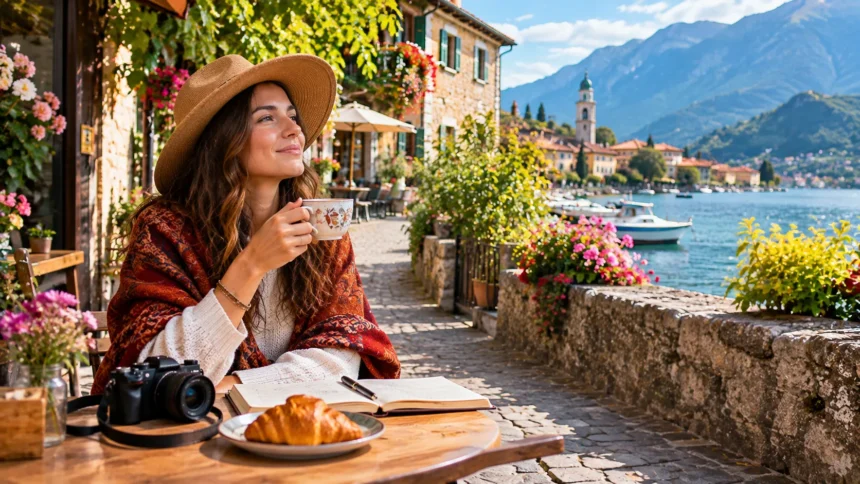
Traveling often feels like a race to visit famous attractions, take pictures, and move quickly between destinations. While this approach can be exciting, it sometimes leaves travelers exhausted rather than refreshed. Slow travel offers a different way to explore the world by focusing on meaningful experiences instead of crowded schedules.
Rather than visiting several cities in a few days, slow travelers spend more time discovering one destination. They explore local neighborhoods, experience traditional food, meet residents, and appreciate everyday life. This relaxed approach encourages deeper cultural understanding and creates opportunities to enjoy travel without constant pressure.
What Is Slow Travel?
Slow travel is a travel philosophy that encourages people to spend more time experiencing a destination rather than rushing between multiple attractions. It focuses on meaningful cultural experiences, relaxed exploration, and genuine connections with local communities. Instead of measuring a trip by the number of places visited, slow travelers value the quality of their experiences.
The concept is closely connected to the slow living movement, which promotes a thoughtful approach to everyday activities. In tourism, this means choosing meaningful experiences over packed itineraries and unnecessary travel pressure. Travelers may spend several days exploring one neighborhood, visiting local markets, or simply enjoying the atmosphere of a destination.
Slow travel does not necessarily mean traveling slowly in a physical sense. Someone can take a fast train or airplane and still embrace the philosophy by spending meaningful time at their destination. The important difference lies in how travelers organize their experiences, interact with communities, and appreciate the places they visit.
How Is Slow Travel Different From Traditional Travel?
Traditional sightseeing vacations often involve visiting several destinations within a limited period. Travelers may follow strict schedules, move frequently between hotels, and prioritize famous landmarks. Although this approach allows people to see many attractions, it can leave little time for spontaneous discoveries or meaningful interactions with local communities.
Slow travel takes a different approach by reducing the number of destinations and allowing more time for exploration. Instead of spending one afternoon in a city, travelers might stay for several days. This creates opportunities to discover smaller streets, neighborhood restaurants, community traditions, and experiences that are not always included in popular travel itineraries.
Neither travel style is automatically better for everyone. Some people enjoy fast-paced sightseeing, while others prefer relaxed vacations with fewer scheduled activities. Slow travel is particularly appealing to people who want flexibility, deeper cultural experiences, and enough time to appreciate a destination without feeling constantly rushed.
Benefits of Slow Travel for Travelers
One of the biggest benefits of slow travel is the opportunity to reduce the stress associated with complicated itineraries. Constantly changing hotels, catching transportation, and managing strict schedules can become exhausting. Staying longer in one location allows travelers to establish a comfortable routine and enjoy their surroundings at a manageable pace.
Slow travel can also create more memorable experiences through deeper exploration. Spending additional time in a destination makes it easier to discover neighborhood traditions, local food, and interesting places beyond major attractions. Travelers may develop a stronger understanding of the communities they visit rather than relying entirely on brief sightseeing experiences.
Another advantage is the flexibility to adjust plans according to personal interests. A traveler might spend an afternoon exploring a museum, walking through a park, or relaxing at a quiet café. Without an overcrowded schedule, there is more freedom to enjoy unexpected opportunities and appreciate ordinary moments during the journey.
How Slow Travel Creates Better Cultural Experiences
Cultural immersion is one of the most meaningful aspects of slow travel. Staying longer in a destination provides opportunities to understand local customs, traditions, and everyday routines. Instead of observing a culture only through popular tourist attractions, travelers can learn how communities live, work, celebrate, and interact.
Visiting neighborhood markets, attending public cultural events, and exploring locally operated businesses can provide valuable perspectives. Learning basic expressions in the local language may also improve communication and demonstrate respect. These experiences often feel more personal than moving quickly through attractions without understanding their cultural importance.
Meaningful cultural travel also requires consideration for local communities. Travelers should respect photography preferences, religious customs, neighborhood rules, and private spaces. Taking time to learn about these expectations helps create positive interactions and encourages a more thoughtful approach to discovering different cultures around the world.
Is Slow Travel Better for the Environment?
Slow travel can support more sustainable tourism by encouraging longer stays and fewer transportation changes. Traveling frequently between distant locations may increase a trip’s environmental impact, particularly when multiple flights are involved. Spending more time in one destination can reduce the need for repeated long-distance journeys.
Choosing suitable transportation can also influence a journey’s environmental footprint. Walking, cycling, and using public transportation may reduce emissions compared with frequent private car journeys. However, the environmental benefits depend on factors such as travel distance, transport type, accommodation energy use, and the overall travel itinerary.
Slow travelers can support responsible tourism by respecting natural environments and choosing businesses that follow sustainable practices. Reducing waste, conserving water, and following local environmental guidelines are useful habits. Slow travel is not automatically environmentally friendly, but thoughtful planning can help reduce negative impacts on destinations and surrounding communities.
Can Slow Travel Help You Save Money?
Slow travel may help travelers manage certain expenses by reducing frequent transportation and accommodation changes. Moving between several cities often involves repeated ticket purchases, transfers, and additional travel costs. Staying in one place longer can make expenses easier to predict and may allow travelers to find accommodation with favorable extended-stay pricing.
Longer visits also provide opportunities to explore affordable local experiences. Public parks, neighborhood markets, walking routes, and community spaces may cost less than repeated organized tours. Travelers who have access to suitable cooking facilities can sometimes reduce dining expenses by preparing occasional meals rather than eating at restaurants every day.
However, slow travel is not always cheaper than a short vacation. Extended accommodation, food, insurance, and daily living costs can increase the total budget. The financial benefit depends on destination prices, trip duration, travel style, and whether reduced transportation expenses outweigh the additional cost of staying longer.
How to Plan a Slow Travel Vacation
Planning a slow travel vacation begins with choosing fewer destinations and allowing enough time to explore them comfortably. Instead of visiting five cities in one week, consider spending several days in one or two locations. This creates space for sightseeing, relaxation, unexpected discoveries, and meaningful experiences without constant movement.
Research the destination’s transportation options, neighborhoods, climate, and cultural attractions before traveling. Identify a few experiences that genuinely interest you rather than attempting to visit every popular landmark. Leave some open time in your itinerary so you can adjust activities based on weather, energy levels, and opportunities discovered after arrival.
It is also important to prepare essential travel arrangements in advance. Check entry requirements, accommodation policies, transportation schedules, and any accessibility needs. Slow travel encourages flexibility, but basic preparation helps prevent avoidable problems and allows travelers to focus on enjoying their destination once the journey begins.
Choose Transportation That Supports Slow Travel
Transportation plays an important role in shaping the slow travel experience. Trains, buses, bicycles, and walking routes can provide opportunities to appreciate landscapes and local surroundings. Unlike transportation focused entirely on reaching the next attraction quickly, these options may allow travelers to enjoy the journey itself.
Rail travel can be particularly appealing in regions with reliable public transportation networks. Scenic train journeys pass through countryside landscapes, smaller towns, and historic settlements that travelers might otherwise overlook. However, travelers should compare schedules, accessibility, safety, and overall travel time before choosing transportation for a specific route.
Walking is another enjoyable way to experience a destination at a relaxed pace. Exploring neighborhoods on foot can reveal small shops, public squares, architecture, and community spaces. For longer distances, combining walking with suitable public transportation offers flexibility without requiring travelers to spend most of their vacation moving between distant attractions.
Find Accommodation That Fits Slow Travel
Choosing suitable accommodation can make a significant difference during a slow travel vacation. Since travelers spend more time in one destination, comfort and convenience become particularly important. Staying near local transportation, grocery stores, and everyday services can make longer visits easier and more enjoyable.
Guesthouses, apartments, small hotels, and family-operated accommodations may suit different travel preferences. Some provide cooking facilities or shared spaces that help guests settle into a comfortable routine. However, travelers should consider cleanliness, accessibility, security, and booking conditions rather than selecting accommodation based only on its appearance or atmosphere.
Location also influences how easily travelers can explore surrounding neighborhoods. Staying in a walkable area with convenient transportation can reduce daily travel time. Choosing legally operated accommodations that respect local housing rules and communities also supports a more responsible approach to visiting popular destinations.
Tuscany, Italy: A Beautiful Slow Travel Destination
Tuscany is a popular destination for travelers interested in countryside landscapes, historic towns, and traditional Italian culture. Its rolling hills, vineyards, olive groves, and charming villages create opportunities for relaxed exploration. Visitors can spend several days discovering one area instead of moving quickly between Florence, Siena, and smaller surrounding towns.
The region is known for its historic architecture, local food traditions, and picturesque rural scenery. Travelers might explore village streets, visit markets, or spend time appreciating the countryside. Areas such as Val d’Orcia offer peaceful landscapes, although transportation arrangements require consideration because some rural locations have limited public connections.
Slow travel in Tuscany works particularly well when visitors choose a comfortable base and explore nearby attractions gradually. Regional rail services connect several towns, while certain countryside areas may require additional transportation planning. The experience is ideal for travelers who appreciate history, culture, and beautiful surroundings without a demanding sightseeing schedule.
Kyoto, Japan: Slow Travel Through History and Culture
Kyoto provides opportunities to experience Japanese history, traditional architecture, gardens, and cultural practices. The city contains numerous historic districts, temples, and peaceful green spaces. Rather than attempting to visit every famous attraction, slow travelers can focus on exploring individual neighborhoods and appreciating their distinctive atmosphere over several days.
Walking through historic streets can reveal traditional buildings, small shops, and seasonal scenery. Visitors may enjoy exploring gardens, learning about local craftsmanship, or experiencing regional food traditions. Kyoto’s cultural attractions are often popular, so visiting thoughtfully and respecting local rules helps protect residential neighborhoods and important heritage sites.
A relaxed Kyoto itinerary might include one main attraction each day, followed by time for neighborhood exploration. Public transportation makes many areas accessible, although some locations require walking. Travelers should remain considerate of residents, especially in historic districts where overcrowding and inappropriate photography can affect daily community life.
Slovenia: A Peaceful Destination for Nature Lovers
Slovenia is an appealing destination for travelers who enjoy natural landscapes, charming towns, and outdoor experiences. The country offers lakes, forests, mountains, and historic urban areas within a relatively compact region. Visitors can create relaxed itineraries that balance sightseeing with opportunities to appreciate nature and local culture.
Lake Bled is especially well known for its scenic surroundings and views of the Julian Alps. Travelers can enjoy lakeside walks, explore nearby towns, and appreciate the surrounding landscape. Ljubljana, the country’s capital, also provides pedestrian-friendly central areas, riverside spaces, and cultural attractions suited to unhurried exploration.
Slow travel in Slovenia can involve staying several nights near a lake or in a town that offers access to surrounding destinations. Public transportation serves many locations, although rural routes may be less frequent. Checking seasonal conditions and transport connections helps visitors create practical itineraries without unnecessary rushing between attractions.
Conclusion
Slow travel is about experiencing destinations more deeply rather than measuring a vacation by the number of places visited. It encourages travelers to appreciate local culture, discover everyday experiences, and enjoy flexible schedules. By spending more time in fewer locations, visitors can create meaningful memories without constantly moving between attractions.
The benefits of slow travel include opportunities for relaxation, cultural understanding, and potentially more responsible tourism. Thoughtful transportation choices, suitable accommodation, and realistic planning can improve the overall experience. Destinations such as Tuscany, Kyoto, and Slovenia offer different settings for enjoying a relaxed and rewarding journey.
Ultimately, slow travel is a mindset rather than a strict set of rules. Whether you have a weekend or several weeks available, choosing quality experiences over an overcrowded itinerary can make travel more enjoyable. The goal is not simply to move slowly but to appreciate the journey, the destination, and the people encountered along the way.
Frequently Asked Questions (FAQs)
What is slow travel in simple words?
Slow travel means spending more time exploring fewer destinations instead of rushing between attractions. It focuses on meaningful experiences, local culture, flexible schedules, and enjoying a place at a comfortable pace.
What are the main benefits of slow travel?
The main benefits include reduced itinerary pressure, deeper cultural experiences, flexible exploration, and opportunities for responsible tourism. Longer stays may also reduce transportation expenses, although total travel costs depend on individual circumstances.
Is slow travel cheaper than regular travel?
Slow travel can reduce transportation expenses and sometimes provide better accommodation rates for longer stays. However, additional daily expenses may increase total costs, so savings depend on destination, travel duration, and personal spending habits.
What are the best destinations for slow travel?
Tuscany in Italy, Kyoto in Japan, and Slovenia are appealing slow travel destinations. Each provides opportunities to explore local culture, historic areas, natural scenery, and everyday experiences at a relaxed pace.
How many days do you need for slow travel?
There is no fixed minimum duration for slow travel. Even a weekend can follow this approach by focusing on fewer activities, allowing flexible exploration, and prioritizing meaningful experiences over a crowded sightseeing schedule.