
Imagine spending months planning a Spanish coastal vacation, only to arrive at a crowded beach surrounded by busy restaurants and noisy streets. You wanted peaceful scenery, charming villages, and authentic local experiences, but your holiday feels like every other tourist trip. Finding a destination that offers something different can be surprisingly challenging.
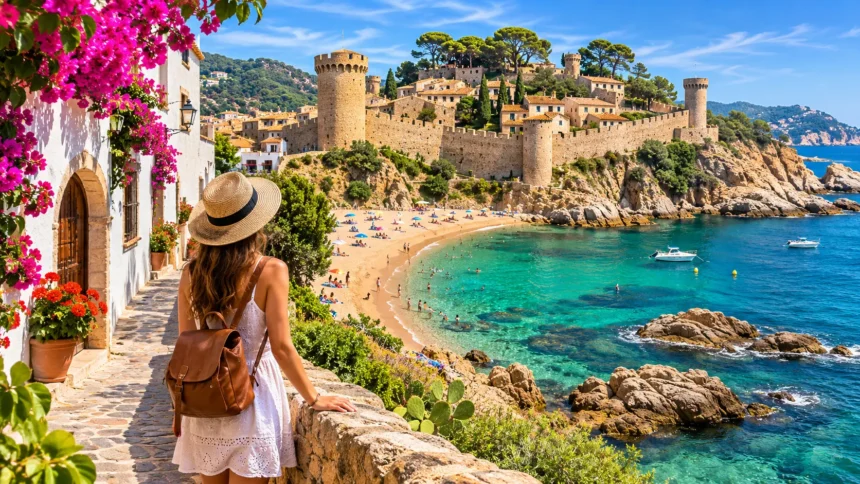
Tossa de Mar is a beautiful coastal town where medieval architecture, turquoise waters, hidden coves, and traditional Mediterranean culture come together. However, many visitors explore only the main beach and leave without discovering the quieter attractions that make this destination special.
With a little planning, you can experience much more than the typical beach holiday. This travel guide covers the best things to do in Tossa de Mar, hidden gems, local cuisine, accommodation options, and practical travel tips. Whether you are visiting for a weekend or a longer vacation, you can create an experience worth remembering.
Where Is Tossa de Mar?
Tossa de Mar is a coastal town in the Girona province of Catalonia, northeastern Spain. It sits along the Costa Brava, a Mediterranean coastline known for its rocky cliffs, beautiful beaches, and traditional seaside communities. The town is approximately 85 kilometers northeast of Barcelona by road, depending on the route.
Unlike some larger Spanish coastal resorts, Tossa retains much of its historical character. Medieval walls, traditional houses, and narrow streets create a distinctive atmosphere. Modern hotels, restaurants, and shops provide convenient facilities without completely overshadowing its heritage.
Its location makes it suitable for both short visits and longer coastal vacations. Travelers can combine beach relaxation with cultural sightseeing and visits to nearby towns. This variety makes Tossa an appealing destination for different travel preferences.
Why Is Tossa de Mar Worth Visiting?
Choosing a Spanish beach destination can feel overwhelming when so many places promise beautiful scenery and unforgettable experiences. However, Tossa offers something that many modern coastal resorts lack. Its medieval architecture creates a remarkable contrast with the surrounding Mediterranean landscape.
Imagine enjoying breakfast beside the sea before spending the afternoon exploring centuries-old buildings. Later, you discover a small cove surrounded by rocky cliffs and pine trees. These different experiences can all be enjoyed within the same destination.
Tossa is particularly appealing to travelers who appreciate a balance between relaxation and discovery. You can enjoy local food, explore historical landmarks, and spend time beside the Mediterranean without filling every hour with activities. Its charm often lies in the quieter moments between major attractions.
Best Things to Do in Tossa de Mar
Many first-time visitors concentrate entirely on the main beach because it is the town’s most recognizable attraction. While the waterfront is beautiful, limiting your visit to one area means missing much of its cultural and natural character. The following attractions provide a more complete experience.
Explore Vila Vella Old Town
Vila Vella is the historic walled district of Tossa de Mar. Its medieval towers, cobbled streets, stone buildings, and coastal views make it one of the town’s most distinctive landmarks. The fortified enclosure dates back to the medieval period.
Walking through its streets reveals traditional architecture, small courtyards, and picturesque corners. Unlike modern tourist developments, the district reflects centuries of local history. Its elevated position also provides attractive views across the Mediterranean.
Allow enough time to appreciate the surroundings rather than rushing between photographs. Visiting earlier in the day can provide a quieter experience, particularly during summer. Wear comfortable footwear because some streets are steep and uneven.
Discover the Medieval Walls and Towers
The medieval fortifications surrounding Vila Vella are among the most recognizable features of the Costa Brava. These defensive structures historically helped protect the coastal settlement. Today, they provide an important connection to the town’s past.
Several towers remain standing, including the Joanàs Tower, Clock Tower, and Codolar Tower. Each occupies a different position within the historic enclosure. Their stone construction creates a striking contrast with the blue Mediterranean waters.
The fortifications are particularly interesting for visitors who enjoy history and architecture. Spend time observing their construction and relationship with the surrounding landscape. Remain within designated visitor areas and respect protective barriers.
Visit Tossa de Mar Lighthouse
Tossa’s lighthouse stands on the elevated headland above the historic district. Built in 1917, it represents an important chapter in the town’s maritime history. The surrounding area provides beautiful views of the coastline.
The lighthouse also contains a museum dedicated to maritime signaling and lighthouse heritage. Visitors can learn how these structures contributed to navigation along the Costa Brava. It provides an educational experience beyond ordinary coastal sightseeing.
The approach involves uphill sections, which may be challenging for some visitors. Check accessibility information and museum opening hours before visiting. Allow plenty of time to explore at a comfortable pace.
Discover Els Ametllers Roman Villa
Visitors sometimes assume that Tossa’s history begins with its medieval fortifications. However, the archaeological remains of Els Ametllers demonstrate that the area was inhabited much earlier. This Roman villa provides valuable insights into ancient settlement and agricultural life.
The site contains remains of historical structures associated with Roman occupation. Archaeological discoveries from the villa reveal aspects of everyday life during that period. Some recovered objects are preserved in the town’s Municipal Museum.
This attraction is particularly worthwhile for travelers interested in archaeology and ancient history. Check current access arrangements before including it in your itinerary. Combining it with a museum visit can provide additional historical context.
Visit the Municipal Museum
Beach holidays often leave little time for cultural experiences, even when interesting museums are nearby. Tossa’s Municipal Museum brings together archaeological discoveries and important works of art. It occupies a historic building within Vila Vella.
The museum was established in 1935, reflecting the town’s connection with artists who visited and worked there. Its collection has included works by internationally recognized artists such as Marc Chagall. Archaeological objects also illustrate the region’s earlier history.
The museum is an interesting alternative when weather conditions interrupt outdoor plans. However, maintenance closures and seasonal schedules can affect access. Confirm its current opening status before making a dedicated visit.
Hidden Gems in Tossa de Mar You Should Not Miss
Following the same itinerary as every other visitor can make a beautiful destination feel overcrowded. Tossa contains several smaller attractions and cultural landmarks that receive less attention than its main waterfront. Discovering these places can make your vacation feel more personal.
Es Codolar Beach
Es Codolar is a small cove located beneath the medieval fortifications. Its sheltered setting, rocky surroundings, and historic backdrop make it particularly picturesque. Before tourism developed, the cove served as a harbor for local fishing boats.
Although it is close to the town center, it has a different atmosphere from the larger main beach. Its compact size creates a more intimate setting. However, it can still become crowded during the busiest summer months.
Consider visiting outside peak hours if you prefer quieter surroundings. Beach surfaces can be coarse, and available facilities may be limited. Check local conditions and remain within designated public areas.
Sa Roqueta Fishing Quarter
Sa Roqueta offers a glimpse into Tossa’s traditional fishing heritage. Situated near the historic walls, this neighborhood contains buildings associated with the town’s maritime past. Its narrow streets provide a quieter contrast to the busier commercial areas.
Many of the town’s earlier residents depended on fishing for their livelihoods. The architecture and layout reflect this historical relationship with the Mediterranean. Exploring the district provides a different perspective on Tossa’s development.
Remember that these historic neighborhoods are also part of a living community. Respect private homes and avoid disturbing residents while taking photographs. Thoughtful exploration helps preserve the area’s welcoming atmosphere.
Can Ganga Women’s Museum
Many historical attractions concentrate on architecture, military history, or famous public figures. The Women’s Museum at Can Ganga explores Tossa’s history through the experiences of local women. It occupies a historic farmhouse near the old fishing district.
Its exhibitions examine everyday life before tourism transformed the coastal town. Visitors can learn about domestic responsibilities, traditional occupations, and contributions to the local community. These stories provide a more personal understanding of Tossa’s heritage.
The museum is particularly appealing to travelers interested in social history and traditional lifestyles. Its smaller scale makes it easy to include in a relaxed sightseeing schedule. Check current opening hours before visiting.
Sant Vicenç Old Church Ruins
Within the historic district, visitors can discover the remains of the old Sant Vicenç church. Its surviving stone structures reflect an earlier period in the town’s architectural and religious history. The surrounding coastal landscape adds to its distinctive appearance.
The ruins provide an opportunity to appreciate medieval construction techniques and historical preservation. Their atmosphere differs from the busy shops and restaurants below. Visitors interested in architecture may find this quieter landmark particularly rewarding.
Take time to observe the building’s surviving features from authorized visitor areas. Avoid climbing on fragile historical structures. Respecting these remains helps preserve them for future visitors.
The Ava Gardner Statue
Tossa de Mar has an interesting connection to international cinema. The town was a filming location for the 1951 movie Pandora and the Flying Dutchman, starring Ava Gardner. A statue within Vila Vella commemorates this part of its history.
The film helped bring wider attention to the coastal destination. Its connection with the town remains an interesting detail for visitors interested in cinema and popular culture. The statue also provides a recognizable landmark within the historic district.
You can include it while exploring the surrounding medieval streets. It does not require a separate sightseeing day or complicated travel arrangements. Small discoveries like this can make a familiar destination more interesting.
Best Beaches in Tossa de Mar
Not every beach offers the same experience, even when photographs make them appear equally attractive. Some have convenient facilities and easy access, while others offer smaller surroundings and fewer services. Choosing the right beach depends on your preferences and practical requirements.
Platja Gran
Platja Gran is the main beach of Tossa de Mar and its most recognizable coastal attraction. The medieval walls form a dramatic backdrop at one end of the waterfront. Restaurants, shops, and accommodation are conveniently located nearby.
Its central location makes it suitable for visitors who prefer easy access to town facilities. You can combine a beach visit with sightseeing, shopping, and dining. However, its popularity means it can become particularly busy during summer.
If you are staying in central Tossa, Platja Gran is a convenient starting point. Visit outside the busiest periods if you prefer a quieter experience. Follow local beach safety notices and lifeguard instructions.
Mar Menuda Beach
Mar Menuda is another attractive beach within the main town area. Its smaller size creates a different setting from the larger Platja Gran. Rocky formations and Mediterranean scenery contribute to its appeal.
The beach is convenient for visitors staying near the northeastern part of town. Restaurants and accommodation can be found in the surrounding area. Its location allows visitors to enjoy coastal scenery without traveling far from central facilities.
Water conditions can vary depending on weather and currents. Follow local safety guidance and use supervised bathing areas where available. Beautiful water does not automatically indicate safe swimming conditions.
Cala Pola
Cala Pola is a scenic cove situated approximately four kilometers from central Tossa. Pine-covered slopes, rocky cliffs, and blue Mediterranean waters create an attractive natural setting. It provides a different experience from the town’s urban beaches.
Its location makes it appealing to visitors who want to discover the surrounding coastline. However, available services and access arrangements can vary throughout the year. Confirm current transportation options before planning your visit.
Despite its secluded appearance, Cala Pola is not an undiscovered beach. It can attract considerable visitor numbers during the summer. Traveling outside the busiest holiday periods may provide a more relaxed experience.
Cala Giverola
Cala Giverola lies approximately five kilometers from the town center. It is surrounded by wooded slopes and rocky coastal formations. The combination of natural scenery and visitor facilities makes it a popular coastal destination.
Unlike some smaller coves, Cala Giverola has tourism facilities associated with the nearby accommodation complex. These can make longer beach visits more convenient. Certain services may operate seasonally.
Check parking arrangements, transportation schedules, and available facilities before visiting. The surrounding landscape makes it particularly attractive for travelers who appreciate Mediterranean coastal scenery.
Cala Bona
Cala Bona is another small inlet along the coastline north of Tossa. Its rocky setting and sheltered appearance create a distinctive Mediterranean landscape. The surrounding environment feels different from the town’s larger beaches.
Access and facilities are more limited than at the main urban beaches. Seasonal conditions and maintenance work can also affect visitor arrangements. Check official local information before including it in your travel plans.
Smaller coves often look peaceful in photographs but may have limited space during busy periods. Avoid assuming that a less famous destination will always be empty.
| Beach | Location | Best known for |
|---|---|---|
| Platja Gran | Town center | Medieval backdrop and convenient facilities |
| Mar Menuda | Northeastern town area | Smaller coastal setting |
| Es Codolar | Beside Vila Vella | Historic fishing harbor and scenic surroundings |
| Cala Pola | Approximately 4 km away | Pine-covered coastal landscape |
| Cala Giverola | Approximately 5 km away | Natural scenery and tourist facilities |
| Cala Bona | North of town | Small, rocky Mediterranean inlet |
Discover the Natural Beauty of Costa Brava
Spending your entire vacation in the town center means experiencing only part of the surrounding landscape. The Costa Brava is famous for its combination of Mediterranean forests, rocky headlands, and secluded coastal areas. Tossa provides opportunities to appreciate these distinctive environments.
The region contains coastal paths commonly known as Camins de Ronda. These paths form part of the Costa Brava’s historical coastal network and connect different sections of the landscape. Their natural surroundings provide attractive opportunities for sightseeing and photography.
Some sections involve steep terrain, uneven surfaces, or exposed cliffs. Consult the tourist office about suitable routes, current conditions, and accessibility before visiting. Choose maintained public areas that match your abilities and avoid restricted sections.
Best Time to Visit Tossa de Mar
Choosing the wrong travel season can affect your entire vacation. Summer offers a lively atmosphere but also brings larger crowds and increased accommodation demand. Other seasons provide different opportunities depending on your interests.
Spring: March to May
Spring brings gradually warmer temperatures and attractive natural scenery. The town generally feels quieter than during the busiest summer months. Flowers and fresh vegetation add color to the surrounding streets and landscapes.
This season is particularly appealing for cultural sightseeing and relaxed coastal vacations. However, seawater temperatures may still feel cool, and some tourism services operate limited schedules. Pack clothing suitable for changing weather conditions.
Summer: June to August
Summer is the most popular period for traditional beach holidays in Tossa. Warm temperatures, longer daylight hours, and seasonal tourism services create a lively atmosphere. Restaurants and accommodation generally experience greater demand.
July and August can become especially busy because of European summer holidays. Booking accommodation and transportation in advance may help reduce uncertainty. Allow flexibility in your schedule if you want to avoid the busiest sightseeing periods.
Autumn: September to November
Autumn can provide an attractive balance between comfortable weather and fewer visitors. September often retains pleasant late-summer conditions, although weather becomes more variable as the season progresses. The surrounding town generally becomes quieter after the main holiday period.
This season is suitable for travelers who enjoy historical attractions, local cuisine, and scenic surroundings. Some beach facilities and boat services may reduce their operating schedules. Check availability before finalizing your plans.
Winter: December to February
Winter offers a quieter perspective on Tossa de Mar. Cooler temperatures and fewer visitors make it different from the lively summer destination. It can appeal to travelers who prioritize local atmosphere and historical sightseeing.
However, some hotels, restaurants, and attractions may close temporarily or operate reduced hours. Beach holidays are generally less practical during this period. Confirm essential services before arranging a winter visit.
| Season | Main advantages | Things to consider |
|---|---|---|
| Spring | Comfortable sightseeing and fewer crowds | Cooler seawater and variable weather |
| Summer | Warm weather and lively coastal atmosphere | Higher demand and larger crowds |
| Autumn | Relaxed atmosphere and pleasant early-season weather | Changing weather and reduced services |
| Winter | Quiet streets and peaceful scenery | Cooler temperatures and seasonal closures |
May, June, and September are particularly attractive choices for travelers seeking a balance between pleasant weather and manageable visitor numbers.
How to Get From Barcelona to Tossa de Mar
Transportation can become confusing when planning a trip outside Barcelona. Many visitors assume every popular coastal destination has a direct railway connection. However, Tossa de Mar does not have its own train station.
Traveling by Bus
Direct intercity bus services connect Barcelona with Tossa de Mar. Services commonly operate from Barcelona’s Estació del Nord bus station. The journey typically takes around an hour and a half to two hours, depending on the service and traffic.
Taking the bus can be convenient because it avoids the need for multiple transportation connections. Check departure times and return schedules before traveling. Advance reservations may be helpful during peak holiday periods.
Traveling by Train and Bus
Although Tossa does not have a railway station, visitors can travel by train to Blanes. From there, connecting bus services travel through Lloret de Mar toward Tossa. This option requires additional coordination between transportation schedules.
The combined journey may take longer than a direct bus service. It can still be useful for travelers visiting several destinations along the coast. Allow sufficient time between connections to avoid unnecessary stress.
Traveling by Car
Traveling by car provides flexibility for visiting nearby coastal towns and attractions. However, parking availability can become limited during busy summer periods. Some central streets also have access restrictions.
Check whether your accommodation provides parking before arranging a rental vehicle. Consider the additional costs of fuel, parking, and insurance. A car is generally unnecessary if your visit focuses mainly on central Tossa.
Where to Stay in Tossa de Mar
Choosing accommodation based entirely on price can leave you far from the experiences you want to enjoy. Some hotels offer convenient access to the beach, while others provide quieter surroundings away from the main tourist areas. Location can significantly influence your vacation experience.
Near Vila Vella
Accommodation near the historic district provides convenient access to medieval streets and cultural attractions. This area is appealing to travelers who enjoy architecture and traditional surroundings. Restaurants and small shops are also located nearby.
However, certain streets contain steep sections and uneven surfaces. Travelers with mobility requirements should check access carefully before booking. Confirm whether luggage can be transported directly to the accommodation.
Near Platja Gran
Staying near the main beach provides convenient access to restaurants, shops, and waterfront facilities. This location is particularly suitable for first-time visitors who want everything within easy reach. Many sightseeing attractions are also nearby.
The main disadvantage is that the surrounding area can become busy during summer. Accommodation overlooking the waterfront may also command higher prices. Compare location, noise levels, and included services before booking.
Near Mar Menuda
Accommodation around Mar Menuda provides access to a smaller coastal area while remaining relatively close to central Tossa. Some properties offer attractive Mediterranean views. This location may appeal to couples and travelers seeking a more relaxed atmosphere.
Walking distances to specific attractions vary depending on the property. Check the accommodation’s exact location rather than relying entirely on promotional descriptions. Consider whether nearby restaurants and essential services meet your needs.
Traditional Food to Try in Tossa de Mar
Eating exclusively at familiar international restaurants can mean missing an important part of local culture. Tossa’s cuisine reflects its fishing heritage, Mediterranean ingredients, and Catalan culinary traditions. Several traditional dishes provide opportunities to experience these regional influences.
Cim i Tomba
Cim i tomba is one of Tossa’s most distinctive traditional dishes. It originated among local fishermen who prepared meals while spending extended periods at sea. The dish typically combines fish, potatoes, vegetables, and garlic-based flavors.
Different restaurants may prepare their own versions using available ingredients. September has traditionally featured local gastronomic events celebrating this specialty. Trying it provides a meaningful connection to the town’s maritime history.
Fideus a la Cassola
Fideus a la cassola is a traditional Catalan noodle preparation cooked in a casserole. Ingredients and flavors vary according to regional and household recipes. Some versions incorporate meat, seafood, vegetables, or rich cooking sauces.
The dish reflects the importance of comforting, ingredient-focused Mediterranean cooking. It can provide an interesting alternative to familiar pasta dishes. Ask restaurant staff about ingredients if you have particular dietary requirements.
Pa amb Tomàquet
Pa amb tomàquet is a simple Catalan preparation involving bread, tomato, olive oil, and salt. Garlic may also be included depending on personal preference. It frequently accompanies other traditional dishes.
Its simplicity demonstrates how familiar ingredients can create distinctive regional flavors. You may encounter it in restaurants, cafés, and traditional dining settings. It provides an accessible introduction to Catalan food culture.
Crema Catalana
Crema Catalana is a traditional dessert associated with Catalan cuisine. It consists of a creamy custard with a caramelized sugar topping. Citrus and cinnamon commonly contribute to its distinctive flavor.
The dessert provides a satisfying conclusion to a traditional Mediterranean meal. Its preparation may differ slightly between restaurants. Consider trying it alongside other local specialties.
How Many Days Do You Need in Tossa de Mar?
One of the biggest mistakes travelers make is allowing too little time for a destination. Although Tossa is relatively compact, its historical attractions, beaches, and surrounding landscapes deserve more than a rushed afternoon. Your ideal visit depends on what you want to experience.
One day provides enough time to explore Vila Vella, enjoy the main waterfront, and try local food. Two or three days allow you to discover additional beaches, museums, and quieter neighborhoods. A longer stay provides greater flexibility for relaxation.
If you are visiting primarily from Barcelona, an overnight stay can make the experience feel less rushed. You can appreciate the town during quieter morning and evening periods. This often creates a different atmosphere from a busy daytime visit.
A Simple Three-Day Tossa de Mar Itinerary
Trying to visit every attraction without a clear plan can waste valuable vacation time. Grouping nearby experiences together makes sightseeing more convenient. The following itinerary provides a balanced introduction to Tossa’s history, natural scenery, and local culture.
Day One: Explore the Historic Town
Spend your first morning discovering Vila Vella, its medieval walls, and traditional streets. Include the old church ruins and lighthouse area according to your accessibility needs. Finish your afternoon enjoying the main waterfront.
Choose a local restaurant for dinner and consider trying a traditional Catalan dish. Allow some time to explore the town’s shops and public spaces. Keeping the first day flexible helps you adjust to your surroundings.
Day Two: Discover Beaches and Hidden Gems
Begin your second day by exploring Es Codolar and the historic Sa Roqueta neighborhood. Visit the Women’s Museum if it is open, then enjoy a relaxed lunch. Spend the afternoon appreciating the coastal scenery around Mar Menuda.
If you prefer additional cultural sightseeing, include the Roman villa or Municipal Museum when accessible. Avoid filling your schedule with too many activities. A balanced itinerary leaves room for unexpected discoveries.
Day Three: Explore the Surrounding Coast
Use your final day to discover the coastline beyond the main town. Cala Giverola and Cala Pola provide attractive alternatives to the central beaches. Confirm transportation and access arrangements before choosing your destination.
Return to central Tossa for a relaxed evening and another opportunity to enjoy local cuisine. Take time to appreciate your favorite parts of the town rather than rushing toward another attraction. Sometimes, revisiting a beautiful place creates the strongest memories.
How to Visit Tossa de Mar on a Budget
A Mediterranean vacation can become expensive when accommodation, transportation, restaurant meals, and attractions are considered separately. Popular coastal destinations also experience seasonal price differences. Planning your main expenses in advance helps reduce financial surprises.
Consider visiting during spring or early autumn when accommodation demand may be lower. Compare properties based on their location and included facilities rather than nightly prices alone. A conveniently located hotel may reduce transportation expenses.
Many of Tossa’s most memorable experiences involve appreciating public spaces, coastal scenery, and historic architecture. Combining these experiences with selected paid attractions can create an enjoyable vacation without unnecessary spending.
Practical budget-friendly travel tips include:
- Compare accommodation prices outside peak summer months.
- Check public transportation schedules before arranging private transfers.
- Look for traditional restaurants offering fixed-price lunch menus.
- Choose accommodation within convenient reach of major attractions.
- Confirm museum admission fees before visiting.
- Allow a separate budget for unexpected expenses.
- Avoid booking nonrefundable activities without checking seasonal conditions.
A realistic budget helps you enjoy your holiday without constantly worrying about expenses. Prioritize experiences that genuinely interest you rather than paying for every available tourist activity.
Common Travel Mistakes to Avoid in Tossa de Mar
Even a beautiful destination can become disappointing when expectations and planning do not match reality. Many visitors underestimate summer crowds or assume that every coastal attraction is easily accessible. Recognizing these common problems helps prevent unnecessary frustration.
One frequent mistake is spending the entire visit at Platja Gran without exploring the historic town. While the main beach is attractive, Tossa’s cultural heritage is an important part of its identity. Combining different experiences creates a more rewarding vacation.
Other common travel mistakes include:
- Assuming smaller coves will always be quiet.
- Booking accommodation without checking its exact location.
- Expecting every museum to remain open throughout the year.
- Forgetting suitable footwear for uneven historic streets.
- Overlooking weather forecasts and beach safety notices.
- Assuming Tossa has its own railway station.
- Ignoring seasonal changes to transportation services.
- Trying to explore too many attractions in one day.
Travel planning should make your experience easier rather than create additional pressure. Leave room for changes and prioritize the attractions that interest you most. A flexible approach often leads to a more enjoyable holiday.
Essential Tossa de Mar Travel Tips
Preparing for your vacation does not require an extensive collection of travel equipment. Most visitors benefit from suitable clothing, reliable transportation arrangements, and accurate information about their destination. Small preparations can prevent common inconveniences.
Bring comfortable footwear, sun protection, drinking water, and clothing appropriate for the season. Keep important travel documents secure and ensure you have access to emergency contact information. Spain’s emergency services can be reached by calling 112.
Respect local communities by avoiding excessive noise, littering, and entering private areas without permission. Follow beach flags, official safety notices, and restrictions around protected historical structures. Responsible travel helps preserve the environment and cultural heritage that make Tossa special.
Tossa de Mar vs. Lloret de Mar: Which Is Better?
Travelers often struggle to choose between these neighboring Costa Brava destinations. Both offer Mediterranean beaches, accommodation, restaurants, and tourism facilities. However, their overall atmosphere and main attractions differ.
Tossa is particularly known for its medieval architecture, traditional streets, and historic coastal character. Lloret de Mar is larger and generally offers a busier resort atmosphere with more extensive entertainment facilities. Each destination appeals to different travel preferences.
| Feature | Tossa de Mar | Lloret de Mar |
|---|---|---|
| Atmosphere | Historic and relatively relaxed | Larger and livelier resort |
| Main attractions | Medieval walls and coastal scenery | Beaches and family entertainment |
| Cultural character | Traditional fishing heritage | Historical sites and modern tourism |
| Accommodation | Small hotels and larger tourist properties | Extensive resort accommodation |
| Best suited for | History lovers, couples and relaxed holidays | Visitors seeking more entertainment options |
Neither destination is universally better because travelers have different expectations. Tossa may be more appealing if historical surroundings and a relaxed atmosphere are your priorities. Lloret may suit visitors who prefer a larger resort with additional facilities.
Frequently Asked Questions
Is Tossa de Mar worth visiting?
Yes, Tossa de Mar is worth visiting for its medieval architecture, Mediterranean beaches, hidden coves, traditional cuisine, and coastal scenery. It offers an attractive combination of cultural sightseeing and relaxation.
What is the best month to visit Tossa de Mar?
May, June, and September are generally attractive months for pleasant sightseeing conditions and fewer crowds than peak summer. However, the ideal month depends on your preferred activities and weather expectations.
Is Tossa de Mar expensive?
Travel costs vary depending on accommodation, season, dining preferences, and activities. Visiting outside the busiest summer months and using public transportation can help travelers manage their overall vacation expenses.
Can you explore Tossa de Mar without a car?
Yes, most central attractions are accessible without a car because the town is relatively compact. Public transportation and seasonal local services may help visitors reach attractions outside the main town area.
How far is Tossa de Mar from Barcelona?
Tossa de Mar is approximately 85 kilometers from Barcelona by road, depending on the route. Direct bus journeys generally take around 90 minutes to two hours, depending on traffic and service schedules.
Conclusion
Tossa de Mar offers much more than a conventional Mediterranean beach holiday. Its medieval walls, traditional fishing neighborhoods, scenic coves, and local cuisine create a destination with remarkable character. From Vila Vella to the quieter corners of the surrounding coastline, there is plenty to discover.
The secret to enjoying Tossa is choosing the right season, allowing enough sightseeing time, and exploring beyond its most recognizable attractions. You do not need to visit every beach or follow an exhausting itinerary. A balanced vacation gives you opportunities to appreciate both its famous landmarks and lesser-known treasures.
Start by choosing your travel dates, identifying your favorite attractions, and selecting accommodation that suits your preferred experience. Include time for local food, historical discoveries, and peaceful moments beside the Mediterranean. Sometimes, the most memorable vacations are not about how many places you visit but how deeply you experience the places you discover.