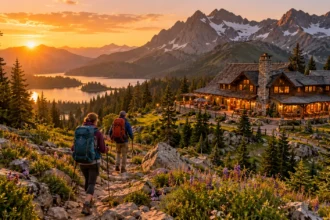

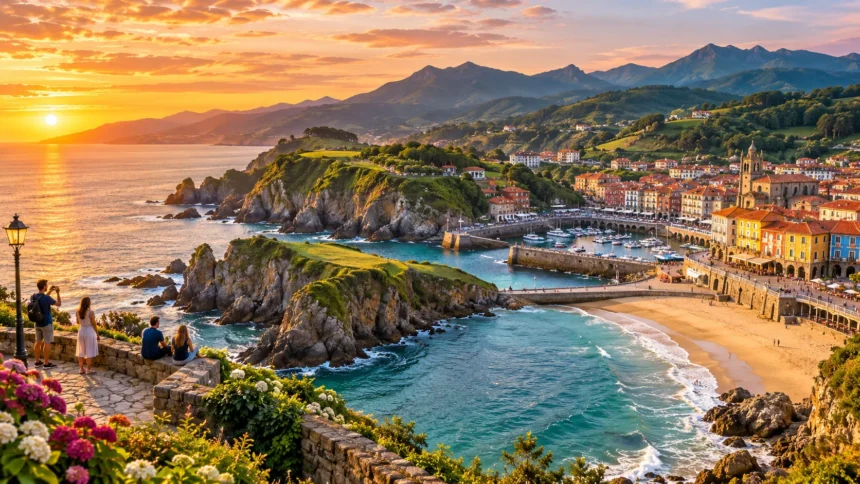
Northern Spain is one of Europe’s most beautiful travel destinations, known for its dramatic coastlines, green mountains, historic cities, and charming fishing villages. Unlike the hotter and drier landscapes of southern Spain, this region offers lush countryside, rugged cliffs, and beautiful beaches along the Bay of Biscay. It is an excellent destination for travelers who enjoy nature, culture, and scenic road trips.
The region includes popular destinations such as the Basque Country, Cantabria, Asturias, and Galicia. Each area has its own traditions, architecture, landscapes, and regional cuisine. Visitors can explore the lively streets of Bilbao, relax on the beaches of San Sebastián, discover the mountains of Picos de Europa, and admire the historic cathedral of Santiago de Compostela.
Planning a Northern Spain vacation involves choosing the right destinations, transportation options, and travel season. Whether you want to explore historic towns, enjoy coastal scenery, or discover beautiful mountain landscapes, Northern Spain offers memorable experiences. This Northern Spain travel guide covers the best things to do, must-visit attractions, scenic destinations, and practical travel tips.
Where Is Northern Spain?
Northern Spain stretches across the upper part of the Iberian Peninsula, bordering the Atlantic Ocean and the Bay of Biscay. The coastal regions of Galicia, Asturias, Cantabria, and the Basque Country are often grouped under the name Green Spain. Other northern areas include Navarre, La Rioja, and parts of Aragón.
The region features a remarkable variety of landscapes, from coastal cliffs and sandy beaches to forests, valleys, and mountain ranges. Its geography creates a different atmosphere from Spain’s Mediterranean destinations. Rainfall is generally more frequent, helping maintain the green countryside that makes Northern Spain famous.
Major cities include Bilbao, San Sebastián, Santander, Oviedo, Gijón, and Santiago de Compostela. These destinations offer convenient starting points for exploring surrounding attractions. Travelers can combine several regions during one trip or focus on a smaller area for a more relaxed experience.
Why Is Northern Spain Worth Visiting?
Northern Spain is worth visiting because it offers a combination of natural beauty, fascinating history, and distinctive regional cultures. Travelers can explore dramatic coastal landscapes, medieval villages, and modern cities within relatively short distances. The variety makes it appealing for both outdoor enthusiasts and cultural travelers.
The region is also famous for its food traditions. Basque pintxos, Asturian dishes, Galician seafood, and other regional specialties provide memorable dining experiences. Traditional markets and family-run restaurants offer opportunities to discover the flavors associated with different parts of northern Spain.
Another attraction is the relaxed atmosphere found in many coastal towns and countryside villages. Although popular cities can become busy during summer, numerous smaller destinations offer quieter surroundings. Visitors who enjoy combining sightseeing with scenic drives and outdoor exploration will find plenty to appreciate.
1. Explore Bilbao and the Guggenheim Museum
Bilbao is one of the most important cities in the Basque Country and a popular destination in Northern Spain. The city is known for its modern architecture, cultural attractions, and lively food scene. Its transformation from an industrial center into a major cultural destination makes it especially interesting.
The Guggenheim Museum Bilbao is one of the city’s most famous landmarks. Designed by architect Frank Gehry, the building features distinctive curved surfaces and a striking contemporary appearance. Visitors can explore modern and contemporary art exhibitions while admiring the building’s unusual architecture.
Bilbao’s historic center, known as Casco Viejo, offers another rewarding experience. Narrow streets, traditional buildings, local shops, and restaurants create a charming atmosphere. Walking along the Nervión River provides attractive views and helps visitors discover different parts of this fascinating Basque city.
2. Visit San Sebastián and La Concha Beach
San Sebastián, also called Donostia, is one of the most beautiful coastal cities in Spain. Located in the Basque Country near the French border, it is famous for its elegant architecture, scenic beaches, and impressive food culture. The surrounding hills provide beautiful views across the coastline.
La Concha Beach is the city’s most recognizable attraction. Its curved shoreline, golden sand, and beautiful waterfront promenade create a wonderful setting for sightseeing. Visitors can walk along the bay, enjoy the coastal scenery, or explore nearby streets filled with cafés and restaurants.
The Old Town is another essential destination, particularly for travelers interested in traditional Basque food. Small restaurants and bars serve pintxos, which are bite-sized dishes associated with regional cuisine. San Sebastián combines coastal beauty, cultural attractions, and memorable dining experiences in one attractive destination.
3. Discover Santander and Its Beautiful Coastline
Santander is the capital of Cantabria and an appealing destination for travelers exploring Northern Spain. The city is known for its attractive beaches, waterfront promenades, and elegant architecture. Its location along the Bay of Biscay provides beautiful coastal scenery and opportunities for relaxed sightseeing.
El Sardinero is one of Santander’s most famous beach areas. Its wide sandy coastline and surrounding streets attract both visitors and local residents. The Magdalena Peninsula is another popular destination, featuring landscaped grounds, scenic viewpoints, and the impressive Palacio de la Magdalena.
Santander also offers restaurants, museums, and public spaces that make it convenient for a short city break. Walking along the waterfront provides opportunities to appreciate the city’s coastal character. Its location makes Santander a useful base for exploring nearby Cantabrian villages and natural attractions.
4. Explore Picos de Europa National Park
Picos de Europa National Park is one of Northern Spain’s most remarkable natural attractions. The park extends across parts of Asturias, Cantabria, and Castile and León. It features dramatic limestone mountains, green valleys, forests, and beautiful landscapes that attract nature lovers from around the world.
Popular attractions include the Covadonga Lakes, scenic mountain viewpoints, and traditional villages near the park. The surrounding landscapes offer opportunities for photography and outdoor exploration. Different areas provide experiences ranging from gentle sightseeing to more demanding mountain routes.
Mountain conditions can change quickly, so visitors should check weather forecasts and official access information before traveling. Some roads and attractions have seasonal restrictions or transportation arrangements. Choosing suitable activities and following marked visitor guidance helps make a trip to Picos de Europa enjoyable and safe.
5. Visit Oviedo, the Historic Capital of Asturias
Oviedo is the capital of Asturias and one of Northern Spain’s most attractive historic cities. Its well-preserved old town features beautiful squares, traditional buildings, and important architectural landmarks. The city is particularly appealing to visitors interested in history, culture, and relaxed sightseeing.
Oviedo Cathedral is among the city’s most famous attractions. The surrounding historic streets provide opportunities to discover traditional architecture, local shops, and inviting public spaces. Visitors can also explore museums and cultural institutions that explain the region’s distinctive heritage.
The city is known for important pre-Romanesque monuments, including Santa María del Naranco and San Miguel de Lillo. These historic buildings reflect an important period in the development of Asturian architecture. Oviedo offers an enjoyable combination of cultural exploration and traditional northern Spanish atmosphere.
6. Explore Gijón and Its Coastal Attractions
Gijón is a lively coastal city in Asturias, known for its beaches, maritime history, and welcoming atmosphere. The city combines historic neighborhoods with modern waterfront areas and cultural attractions. Its location makes it a popular destination for travelers who want to enjoy both city life and coastal scenery.
Cimavilla, the city’s historic fishing quarter, is one of the most interesting areas to explore. Its streets lead toward coastal viewpoints and public spaces overlooking the sea. San Lorenzo Beach provides another beautiful setting for walking along the waterfront and appreciating the surrounding landscape.
Gijón also features museums, restaurants, and traditional markets that introduce visitors to Asturian culture. The city can serve as a convenient base for discovering nearby coastal towns. Spending time here offers a pleasant balance between historical sightseeing, local food, and seaside relaxation.
7. Discover Santiago de Compostela
Santiago de Compostela is one of the most important historic cities in Northern Spain. Located in Galicia, it is internationally famous as the traditional destination of the Camino de Santiago pilgrimage routes. Its beautiful architecture and cultural significance attract visitors throughout the year.
The Cathedral of Santiago de Compostela is the city’s most recognizable landmark. Its impressive façade overlooks Praza do Obradoiro, a historic square surrounded by important buildings. Visitors can explore the old town and discover narrow streets, traditional architecture, and charming public spaces.
The historic center is recognized as a UNESCO World Heritage Site. Beyond its religious heritage, Santiago offers restaurants, museums, local shops, and cultural attractions. It is an excellent destination for travelers interested in medieval history and the traditions that shaped this remarkable Galician city.
8. Visit A Coruña and the Tower of Hercules
A Coruña is a beautiful coastal city in Galicia, famous for its maritime heritage and scenic Atlantic setting. The city features beaches, historic architecture, and attractive waterfront areas. Its combination of urban attractions and coastal landscapes makes it an enjoyable stop on a Northern Spain itinerary.
The Tower of Hercules is one of A Coruña’s most important landmarks. This ancient Roman lighthouse remains an extraordinary example of historic engineering and is recognized as a UNESCO World Heritage Site. The surrounding coastal area offers beautiful views across the Atlantic Ocean.
Visitors can also explore María Pita Square, the old town, and nearby beaches. The city’s restaurants provide opportunities to sample Galician dishes and fresh seafood. A Coruña is especially appealing to travelers who enjoy seaside walks, history, and relaxed cultural sightseeing.
9. Explore the Beautiful Village of Cudillero
Cudillero is one of the most picturesque fishing villages in Asturias. Its colorful houses rise along a hillside overlooking a small harbor, creating a distinctive coastal scene. The village is particularly popular among travelers who enjoy photography, traditional architecture, and peaceful seaside surroundings.
The harbor area is surrounded by narrow streets, restaurants, and attractive buildings. Visitors can wander through the village and admire views from designated viewpoints. The colorful arrangement of houses creates a beautiful contrast against the surrounding green hills and coastal landscape.
Cudillero is relatively compact, making it suitable for a relaxed visit during a coastal road trip. However, some streets are steep and may require considerable walking. Allowing enough time to enjoy the harbor and nearby viewpoints makes the experience more rewarding.
10. Visit Santillana del Mar
Santillana del Mar is a beautiful historic town in Cantabria, known for its medieval streets and traditional stone buildings. Despite its name, the town is not located directly beside the sea. Its well-preserved historic center creates an atmosphere that attracts travelers interested in architecture and cultural heritage.
The town features cobblestone streets, historic houses, and the Collegiate Church of Santa Juliana. Walking through the center provides opportunities to admire traditional architecture and discover small local businesses. Its compact size makes Santillana del Mar particularly enjoyable for relaxed sightseeing.
The nearby Altamira Museum is another important attraction, introducing visitors to prehistoric cave art. The original cave has strict conservation-related access arrangements, while the museum provides an educational experience. Combining the town with the museum creates an interesting cultural excursion in Cantabria.
11. Discover the Beautiful Beaches of Northern Spain
Northern Spain offers a remarkable variety of beaches, ranging from wide sandy bays to secluded coves surrounded by cliffs. The Atlantic and Cantabrian coastlines create dramatic scenery that differs from many Mediterranean destinations. Popular beaches can be found throughout the Basque Country, Cantabria, Asturias, and Galicia.
La Concha Beach in San Sebastián is especially famous for its attractive bay and elegant promenade. Playa del Sardinero in Santander and Playa de San Lorenzo in Gijón are other popular coastal destinations. Galicia also features spectacular beaches along its rugged Atlantic shoreline.
Swimming conditions vary considerably depending on weather, currents, tides, and individual locations. Some beaches have strong waves or changing sea conditions, making local safety guidance important. Travelers can also enjoy beach walks, scenic viewpoints, and coastal photography without entering the water.
12. Explore the Rías Baixas Region in Galicia
Rías Baixas is a beautiful coastal region in southwestern Galicia, known for its sheltered inlets, fishing communities, beaches, and green landscapes. The area offers a different atmosphere from the mountainous coastline farther east. Its scenic villages and waterways make it particularly attractive for relaxed coastal exploration.
Popular destinations include Pontevedra, Cambados, and coastal towns around the region’s estuaries. Visitors can discover historic streets, waterfront areas, and local markets. The region is also associated with seafood traditions and distinctive Galician culture.
Travelers interested in nature can explore beaches, coastal viewpoints, and selected island destinations. Some protected island areas require advance reservations or special visitor arrangements. Checking current access rules and transportation schedules is important before planning excursions to environmentally sensitive locations.
13. Discover San Juan de Gaztelugatxe
San Juan de Gaztelugatxe is one of the most photographed coastal landmarks in the Basque Country. This dramatic islet is connected to the mainland by a stone bridge and a winding staircase. Its location among rugged cliffs creates spectacular views of the Bay of Biscay.
The small hermitage at the top adds historical and cultural interest to the natural setting. Visitors can admire the surrounding coastline from designated viewpoints and explore the area according to local access arrangements. The dramatic landscape makes it especially attractive for photographers and nature enthusiasts.
Access can be regulated, and reservations may be required during certain periods. The route includes steep steps and uneven surfaces, so visitors should consider their mobility and weather conditions. Checking official visitor information before traveling helps ensure a suitable and comfortable experience.
Best Time to Visit Northern Spain
The best time to visit Northern Spain is generally between May and September, when temperatures are often comfortable for sightseeing and outdoor activities. Late spring brings green landscapes and seasonal flowers, while summer provides longer daylight hours. However, rainfall remains possible throughout the year.
July and August are popular months for coastal holidays, especially around well-known beaches and resort towns. Accommodation prices and visitor numbers can increase during this period. Travelers who prefer quieter sightseeing may find May, June, or September more appealing.
Autumn offers colorful countryside scenery and opportunities to enjoy historic towns without peak summer crowds. Winter is generally cooler and wetter, particularly near the Atlantic coast. Mountain areas can experience snow and challenging weather, making careful planning important for seasonal travel.
How to Get Around Northern Spain
Traveling around Northern Spain is possible by train, bus, rental car, and other regional transportation services. Major cities such as Bilbao, Santander, Oviedo, and Santiago de Compostela have public transportation connections. However, smaller coastal villages and mountain destinations may require more careful planning.
Renting a car can provide greater flexibility when exploring rural areas and scenic coastal routes. Travelers can stop at viewpoints, visit small towns, and organize their schedules around personal interests. Road conditions and parking availability vary, so understanding local driving requirements is important.
Train and bus services are practical for visitors focusing on larger cities. Some regional routes require connections or have limited frequencies, particularly in less populated areas. Checking schedules in advance can help avoid unnecessary delays and make the journey more enjoyable.
How Many Days Do You Need in Northern Spain?
The ideal length of a Northern Spain trip depends on how many regions you want to explore. Three to five days may be enough to visit one city and several nearby attractions. Travelers interested in a more complete experience should consider spending additional time in the region.
A seven-day trip can include selected destinations across the Basque Country, Cantabria, and Asturias. Visitors might explore Bilbao, San Sebastián, Santander, and scenic areas near Picos de Europa. However, attempting to visit every major attraction in one week can create an unnecessarily rushed schedule.
Ten to fourteen days provide greater flexibility for exploring all four Green Spain regions. This duration allows time for historic cities, coastal villages, and natural attractions. Choosing a realistic itinerary helps travelers appreciate each destination instead of spending most of the vacation moving between locations.
Where to Stay in Northern Spain
Northern Spain offers accommodation ranging from budget-friendly guesthouses to comfortable hotels and countryside properties. The best place to stay depends on the destinations included in your itinerary. Major cities often provide convenient transportation connections, restaurants, and cultural attractions.
Bilbao and San Sebastián are useful bases for exploring the Basque Country. Santander offers access to destinations in Cantabria, while Oviedo and Gijón provide convenient options in Asturias. Santiago de Compostela is a popular base for travelers interested in Galicia’s historic attractions.
Smaller villages and rural guesthouses can provide a quieter experience for travelers who prefer countryside surroundings. However, access to public transportation may be limited in some areas. Comparing accommodation locations with planned activities can help reduce unnecessary travel time.
Northern Spain Travel Costs and Budget Tips
Northern Spain can accommodate different travel budgets, although expenses vary significantly by destination and travel season. Popular coastal cities such as San Sebastián may have relatively expensive accommodation during summer. Smaller towns and inland destinations can sometimes provide more affordable alternatives.
Travelers can manage expenses by booking accommodation early, comparing transportation options, and combining free sightseeing with paid attractions. Historic streets, public viewpoints, and many coastal walking areas offer enjoyable experiences without major admission costs. Local markets and casual restaurants may also provide practical dining options.
Transportation can become an important expense when visiting several regions. Renting a car may be convenient for groups, while public transport can be economical for city-focused itineraries. Preparing a realistic budget for accommodation, meals, transportation, and attractions helps make the trip more manageable.
Essential Travel Tips for Northern Spain
Packing suitable clothing is important because Northern Spain’s weather can change throughout the day. Lightweight layers, comfortable walking shoes, and a waterproof jacket are useful in many seasons. Coastal areas may experience wind and rain even during warmer months.
Regional languages and traditions are another important part of the travel experience. Spanish is widely used, while Basque, Galician, and other regional languages are important in their respective areas. Learning a few simple greetings and respecting local customs can make cultural experiences more enjoyable.
Travelers should also allow extra time for mountain excursions and coastal routes. Weather, traffic, and seasonal access restrictions can affect travel plans. Checking attraction schedules and transportation arrangements in advance helps create a smoother and more rewarding Northern Spain vacation.
Conclusion
Northern Spain is one of Europe’s most rewarding travel regions, offering dramatic landscapes, beautiful beaches, historic cities, and charming coastal villages. Destinations such as Bilbao, San Sebastián, Santander, and Santiago de Compostela provide memorable cultural experiences. Natural attractions such as Picos de Europa add spectacular mountain scenery to the journey.
The best Northern Spain itinerary combines famous landmarks with opportunities to discover smaller towns and countryside destinations. Visitors can enjoy traditional food, scenic coastal walks, architectural attractions, and peaceful natural surroundings. Spring, summer, and early autumn are particularly appealing seasons for exploring the region.
Whether you are planning a short city break or a longer road trip, Northern Spain offers something for many travel interests. Choosing suitable accommodation, transportation, and sightseeing priorities helps create a comfortable journey. With thoughtful planning, this beautiful region can become one of the highlights of your trip to Spain.
Frequently Asked Questions
1. Is Northern Spain Worth Visiting?
Yes, Northern Spain is worth visiting for its beautiful coastlines, green mountains, historic cities, and distinctive regional cultures. It is particularly attractive to travelers who enjoy nature, food, and scenic road trips.
2. What Are the Best Places to Visit in Northern Spain?
Popular destinations include Bilbao, San Sebastián, Santander, Oviedo, Santiago de Compostela, Picos de Europa National Park, and the picturesque coastal village of Cudillero.
3. How Many Days Do You Need in Northern Spain?
Seven days provide time to explore selected cities and natural attractions. Travelers who want to visit the Basque Country, Cantabria, Asturias, and Galicia may prefer ten to fourteen days.
4. What Is the Best Month to Visit Northern Spain?
June and September are excellent months for many travelers because temperatures are often comfortable and popular destinations may be less crowded than during the busiest summer weeks.
5. Is Northern Spain Better Than Southern Spain?
Neither region is universally better. Northern Spain offers greener landscapes, rugged coastlines, and cooler weather, while southern Spain is famous for warmer conditions, Moorish architecture, and Mediterranean cultural attractions.