

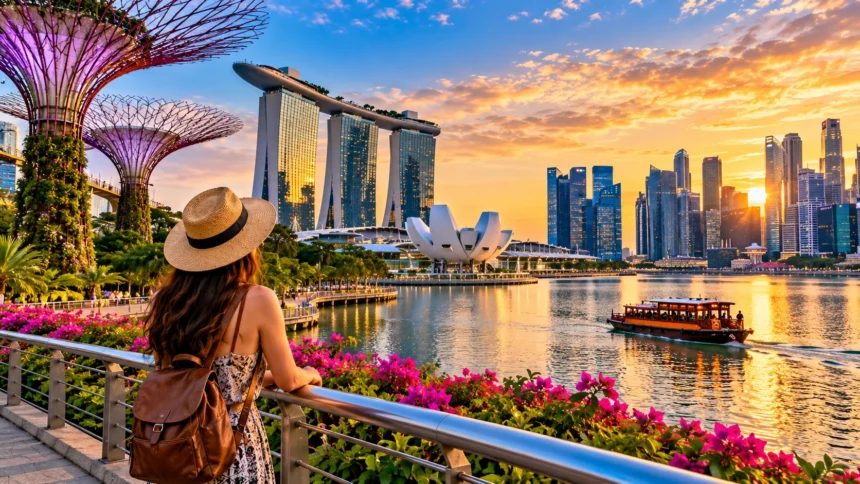
Singapore is one of Southeast Asia’s most exciting travel destinations, known for its futuristic skyline, beautiful gardens, cultural neighborhoods, and world-class attractions. Whether you want to explore Marina Bay Sands, visit Sentosa Island, or discover traditional street food, choosing the best time to visit Singapore can help you enjoy a memorable vacation. Understanding the country’s weather, seasonal events, and travel costs makes planning easier.
Unlike destinations with four distinct seasons, Singapore experiences a tropical climate throughout the year. Temperatures remain warm, humidity is generally high, and rainfall can occur during any month. However, certain periods offer relatively drier weather, while others bring heavier rain and popular cultural celebrations.
In this guide, we will explore Singapore’s weather by month, monsoon seasons, and the best times for sightseeing, shopping, and outdoor activities. You will also discover useful travel tips, seasonal attractions, and recommendations for planning an enjoyable Singapore vacation.
When Is the Best Time to Visit Singapore?
The best time to visit Singapore is generally from February to April, particularly for travelers who prefer relatively drier weather and comfortable sightseeing conditions. February is typically the driest month, making it an appealing choice for exploring outdoor attractions. However, Singapore remains warm and humid throughout the year, with occasional showers even during drier periods.
March and April can also be attractive months because visitors can enjoy cultural attractions, shopping districts, and beautiful urban landscapes. However, afternoon thunderstorms become more frequent as the inter-monsoon period develops. Travelers should prepare for warm temperatures and changing weather conditions while exploring different neighborhoods.
June through September offers additional opportunities for outdoor sightseeing, although rainfall remains possible. December and January can be wetter because of the Northeast Monsoon. Ultimately, the ideal travel period depends on whether you prioritize weather, cultural festivals, accommodation prices, or particular sightseeing experiences.
Understanding Singapore’s Tropical Climate
Singapore has an equatorial climate characterized by consistently warm temperatures, high humidity, and frequent rainfall. Located close to the equator, the country experiences relatively little seasonal temperature variation. Daytime temperatures commonly range from approximately 30°C to 33°C, while nighttime temperatures generally remain around 24°C to 26°C.
Rainfall occurs throughout the year because warm, moisture-rich air supports frequent cloud formation and thunderstorms. Some showers are brief and intense, while others can continue for longer periods. The country does not have a completely dry season, although rainfall patterns change with the monsoon winds.
Humidity can make Singapore feel warmer than the actual air temperature, particularly during outdoor activities. Travelers should wear lightweight clothing, drink enough water, and plan breaks in shaded or air-conditioned spaces. Understanding these conditions helps visitors organize comfortable sightseeing schedules throughout the year.
Singapore Weather by Month: Temperature and Rainfall
Singapore’s monthly weather patterns show relatively small temperature differences but more noticeable changes in rainfall. February generally experiences the lowest rainfall, while November and December are often among the wettest months. These variations can influence outdoor activities and the amount of flexibility needed in a travel itinerary.
The following chart provides approximate typical daytime temperatures and general rainfall conditions throughout the year.
| Month | Typical Daytime High | Rainfall Conditions |
|---|---|---|
| January | 30°C | High rainfall |
| February | 31°C | Relatively driest |
| March | 32°C | Moderate rainfall |
| April | 32°C | Frequent thunderstorms |
| May | 32°C | Warm and humid |
| June | 32°C | Occasional heavy showers |
| July | 32°C | Relatively moderate rainfall |
| August | 32°C | Occasional thunderstorms |
| September | 32°C | Variable rainfall |
| October | 32°C | Increasing thunderstorms |
| November | 31°C | Very high rainfall |
| December | 30°C | Heavy monsoon rainfall |
These figures describe broad historical weather patterns rather than guaranteed conditions during a particular trip. Actual temperatures and rainfall can vary considerably between individual days and years. Even during February, visitors may experience tropical downpours that temporarily interrupt outdoor sightseeing.
Because weather conditions change quickly, travelers should check local forecasts before visiting outdoor attractions. Carrying a compact umbrella and planning alternative indoor activities can help prevent unexpected rain from disrupting the entire day. Singapore’s excellent indoor attractions make sightseeing possible throughout the year.
Visiting Singapore in January: Cooler Weather and Rain
January falls within the Northeast Monsoon season and is generally one of Singapore’s wetter months. Daytime temperatures remain warm, but cloudy skies and occasional windy conditions can make the weather feel slightly more comfortable. Heavy showers may occur, sometimes lasting longer than typical afternoon thunderstorms.
Despite the rainfall, January offers enjoyable sightseeing opportunities across the city. Visitors can explore shopping districts, museums, cultural neighborhoods, and popular indoor attractions. Gardens by the Bay and Marina Bay remain appealing, although outdoor activities should be planned around changing weather conditions.
January can also be an interesting month for cultural experiences when Lunar New Year celebrations fall near the end of the month. However, the holiday date changes annually, sometimes occurring in February. Travelers should check festival schedules and accommodation availability before organizing a visit.
Visiting Singapore in February: One of the Driest Months
February is often considered one of the best months to visit Singapore because it usually experiences less rainfall than other months. The weather remains tropical and warm, but visitors may encounter more opportunities for uninterrupted outdoor sightseeing. These conditions make February particularly attractive for exploring major landmarks and gardens.
Popular attractions include Marina Bay Sands, Gardens by the Bay, Merlion Park, and Singapore’s beautiful waterfront areas. Travelers can also enjoy walking through Chinatown, Little India, and Kampong Glam. However, warm temperatures and humidity remain important considerations, especially during the afternoon.
February may coincide with Chinese New Year celebrations, depending on the lunar calendar. Festive decorations, cultural activities, and seasonal events can make the city especially colorful. Because holiday travel can increase demand, booking accommodation and popular attractions in advance may be useful.
Visiting Singapore in March and April: Warm Weather and Sightseeing
March and April are popular months for exploring Singapore because they offer opportunities for outdoor activities and cultural sightseeing. Temperatures remain high, and humidity can become noticeable during midday. As the inter-monsoon period develops, afternoon thunderstorms may become more frequent.
March can be particularly attractive for travelers who prefer exploring gardens, neighborhoods, and waterfront attractions. Visitors can enjoy walking through Singapore Botanic Gardens or discovering the impressive architecture around Marina Bay. Starting outdoor activities earlier in the day can help reduce exposure to intense afternoon heat.
April often brings warm conditions and unpredictable showers, but sightseeing remains enjoyable with suitable planning. Singapore’s indoor museums, shopping centers, and covered attractions provide convenient alternatives during rainfall. A flexible itinerary allows travelers to experience both outdoor landmarks and cultural destinations comfortably.
Visiting Singapore in May and June: Hot and Humid Conditions
May is generally one of Singapore’s warmer months, with high humidity and frequent afternoon thunderstorms. Visitors may notice stronger heat during outdoor sightseeing, particularly around exposed waterfront areas. Planning activities during the morning or evening can help make walking and exploring more comfortable.
June marks the beginning of the Southwest Monsoon season, which typically continues through September. Rainfall patterns may include short showers and occasional early-morning thunderstorms. Despite these conditions, many travelers visit during June because of school holidays and seasonal attractions.
June is also a popular time for shopping, entertainment, and family vacations. Indoor attractions such as museums and shopping centers provide convenient breaks from outdoor heat. Travelers should compare accommodation prices and book early when visiting during busy holiday periods.
Visiting Singapore in July and August: Summer Holiday Experiences
July and August offer plenty of opportunities to explore Singapore’s famous attractions, cultural neighborhoods, and outdoor spaces. Temperatures remain consistently warm, often reaching approximately 32°C during the day. Rainfall can occur, but many showers are relatively brief compared with prolonged monsoon rain episodes.
These months are popular for family travel because they coincide with summer holidays in several countries. Visitors can explore Sentosa Island, discover local food markets, and enjoy waterfront attractions. However, popular destinations may experience increased visitor numbers during weekends and holiday periods.
August is particularly interesting because Singapore celebrates National Day on August 9. Celebrations may include cultural performances, patriotic decorations, and special public events. Travelers interested in experiencing Singapore’s national identity may find this an exciting time to visit, although some areas can become crowded.
Visiting Singapore in September and October: Festivals and Changing Weather
September falls toward the end of the Southwest Monsoon season and generally offers warm, humid conditions. Rainfall remains possible, but travelers can still enjoy outdoor attractions and cultural experiences. The city continues to offer a wide range of activities regardless of occasional tropical showers.
September is often associated with Singapore’s major international sporting events, including the Formula One Singapore Grand Prix when scheduled. These events can create an energetic atmosphere and attract international visitors. Hotel prices and availability may change significantly around major event dates.
October marks another inter-monsoon period, when winds become lighter and thunderstorms can develop more frequently. Visitors should prepare for unpredictable afternoon weather and occasional heavy rainfall. Combining outdoor sightseeing with museums, restaurants, and indoor attractions helps create a comfortable itinerary.
Visiting Singapore in November and December: Monsoon Season
November and December are among Singapore’s wettest months, with frequent thunderstorms and higher monthly rainfall. The Northeast Monsoon develops during this period, sometimes bringing prolonged showers and cloudy weather. Temperatures remain warm, but rainfall can influence outdoor sightseeing schedules.
Despite the wet weather, Singapore remains a popular destination during the year-end holiday season. Shopping districts, hotels, and major attractions often feature festive decorations and seasonal activities. Orchard Road is especially well known for its holiday displays during this period.
Travelers visiting in December should expect increased demand around Christmas and New Year celebrations. Accommodation prices may rise, particularly in popular tourist districts. Booking early and maintaining flexible sightseeing plans can help visitors enjoy Singapore’s festive atmosphere despite the possibility of heavy rain.
Understanding the Northeast Monsoon in Singapore
The Northeast Monsoon generally occurs from December through early March and has two different phases. The wetter phase usually affects December and January, while the later phase tends to become relatively drier. This seasonal wind pattern strongly influences Singapore’s rainfall distribution.
During the wetter phase, monsoon surges can produce extended periods of widespread rain and windy conditions. These events may last longer than ordinary afternoon thunderstorms. Visitors planning outdoor activities should monitor weather forecasts because heavy rainfall can occasionally affect transportation and recreational access.
The later phase, especially February, usually brings relatively drier conditions. However, rainfall remains possible because Singapore experiences tropical weather throughout the year. Understanding the Northeast Monsoon helps travelers choose appropriate activities and prepare for seasonal changes.
Understanding the Southwest Monsoon in Singapore
The Southwest Monsoon generally occurs from June through September and brings a different pattern of winds and rainfall. Singapore remains warm and humid during this period, with occasional thunderstorms and showers. Rainfall is often less persistent than during the wettest phase of the Northeast Monsoon.
One characteristic of the Southwest Monsoon is the possibility of early-morning squalls. These weather systems can bring sudden heavy rainfall and strong winds as they move across the region. Although such events may temporarily disrupt outdoor activities, conditions can improve later in the day.
Travelers visiting during this season should prepare for changing weather rather than expecting completely dry conditions. Lightweight rain protection and flexible sightseeing plans are useful throughout the trip. Many attractions remain accessible, making the Southwest Monsoon period suitable for vacation planning.
Best Time to Visit Singapore for Sightseeing
February and March are attractive months for sightseeing because they often provide relatively favorable outdoor conditions. Visitors can explore famous landmarks, waterfront attractions, and cultural neighborhoods while experiencing warm tropical weather. However, rain remains possible even during these months.
Gardens by the Bay, Marina Bay Sands, and Merlion Park are among Singapore’s most popular sightseeing destinations. Chinatown, Little India, and Kampong Glam also provide opportunities to discover the country’s multicultural heritage. These areas combine beautiful architecture, local food, and cultural landmarks within convenient urban locations.
For comfortable sightseeing, travelers should consider visiting outdoor attractions during the morning or evening. Midday temperatures and humidity can make long walks uncomfortable. Using Singapore’s public transportation network can also reduce unnecessary walking during particularly hot periods.
Best Time to Visit Singapore for Sentosa Island
Sentosa Island is one of Singapore’s most popular recreational destinations, featuring beaches, entertainment facilities, and family attractions. February through April can be appealing for visitors who want relatively favorable conditions for outdoor activities. However, the island remains accessible throughout the year.
Visitors can enjoy beachfront sightseeing, scenic walks, and popular entertainment destinations on Sentosa. Some attractions operate indoors, making them suitable alternatives during unexpected rainfall. Beach activities should always follow current weather, water quality, and safety guidance.
Weekends, school holidays, and major travel periods can increase visitor numbers across the island. Travelers who prefer a quieter experience may benefit from visiting on weekdays. Checking attraction operating hours and ticket requirements before arriving helps create a smoother itinerary.
Best Time to Visit Singapore for Shopping
Singapore is a popular shopping destination because of its modern malls, shopping streets, and traditional markets. Shopping is enjoyable throughout the year because many major retail areas are indoors and air-conditioned. This makes it a convenient activity during both hot weather and rainy periods.
June and July can be attractive for travelers interested in seasonal retail promotions and shopping events. However, sale schedules vary between retailers, and discounts are not guaranteed during particular months. Visitors should compare offers based on their actual travel dates rather than expecting identical promotions every year.
Orchard Road is one of Singapore’s best-known shopping destinations, while Bugis and Chinatown offer additional retail experiences. Travelers can explore international stores, local boutiques, and traditional markets. Combining shopping with food and cultural sightseeing helps create a varied vacation experience.
Best Time to Visit Singapore for Festivals
Singapore celebrates numerous cultural festivals reflecting its diverse communities and traditions. Chinese New Year, Deepavali, Hari Raya, and other celebrations create opportunities to experience colorful decorations, traditional food, and cultural activities. The dates of several festivals change each year because they follow different calendars.
Chinese New Year usually occurs in January or February and brings festive displays to Chinatown and other parts of the city. Deepavali is particularly noticeable in Little India, where decorative lights and celebrations create a vibrant atmosphere. Hari Raya celebrations also highlight important cultural and religious traditions.
Travelers interested in festivals should check the relevant dates before booking flights and accommodation. Major celebrations can attract additional visitors and affect business operating hours. Planning around cultural events allows travelers to experience Singapore’s traditions while respecting local customs.
Cheapest Time to Visit Singapore on a Budget
Singapore accommodation prices depend on demand, major events, school holidays, and the type of hotel selected. There is no single month that guarantees the lowest rates every year. However, travelers may find competitive offers during quieter periods outside major celebrations and international events.
March, April, and selected weeks during the monsoon periods can sometimes offer opportunities to compare lower accommodation prices. However, weather and demand vary, and major conventions may influence hotel availability. Booking flexibility can be more valuable than relying entirely on seasonal assumptions.
Budget travelers can also reduce expenses by using public transportation and exploring free public attractions. Gardens, waterfront walks, cultural neighborhoods, and public parks provide enjoyable sightseeing opportunities. Choosing accommodation near an MRT station can help save time and transportation costs.
How Many Days Do You Need in Singapore?
Three to four days can provide enough time to explore many of Singapore’s most famous attractions. Visitors can spend one day around Marina Bay, another discovering cultural neighborhoods, and additional time exploring gardens or museums. This duration is suitable for a short city vacation.
Travelers with five to seven days can enjoy a more relaxed itinerary and include Sentosa Island, wildlife attractions, and additional neighborhoods. More time also allows visitors to explore local food markets and experience the city without rushing. A flexible schedule is useful because afternoon thunderstorms can affect outdoor plans.
The ideal trip length depends on personal interests and the number of activities planned. Families may prefer additional days for entertainment attractions, while visitors interested in cultural sightseeing can focus on central neighborhoods. Planning attractions by location helps reduce unnecessary travel time.
What to Pack for a Singapore Vacation
Packing for Singapore requires preparing for consistently warm temperatures, high humidity, and sudden rainfall. Lightweight, breathable clothing is usually suitable for everyday sightseeing. Comfortable walking shoes are also important because exploring gardens, shopping districts, and cultural neighborhoods can involve considerable walking.
A compact umbrella or lightweight waterproof jacket can be useful throughout the year. Sun protection, sunglasses, and a reusable water bottle may also improve comfort during outdoor activities. Visitors should remember that strong tropical sunshine can occur even when cloudy periods are common.
Air-conditioned shopping centers, museums, and public transportation can feel noticeably cooler than outdoor environments. Carrying a light extra layer may be helpful for people sensitive to temperature changes. Packing practical clothing rather than heavy seasonal outfits makes traveling around Singapore easier.
Important Travel Tips for Visiting Singapore
Singapore has an efficient public transportation network that connects major tourist attractions, shopping districts, and residential neighborhoods. The MRT system and public buses make it convenient to explore the city without renting a car. Travelers can organize routes around nearby stations to reduce transportation time.
Visitors should also check passport validity, visa requirements, and current entry procedures before traveling. Regulations depend on nationality and may change, so official travel guidance should be reviewed. Understanding local laws and respecting public rules helps make the trip more comfortable.
Planning outdoor activities around Singapore’s tropical weather is another useful strategy. Early mornings and evenings may be more comfortable for long walks, while indoor attractions provide alternatives during thunderstorms. With flexible scheduling and suitable preparation, visitors can enjoy Singapore throughout the year.
Conclusion
The best time to visit Singapore depends on your preferred weather, activities, and travel budget. February is generally the driest month, while March and April can also provide enjoyable sightseeing opportunities. However, Singapore remains warm and humid throughout the year, and rainfall can occur during any season.
Travelers interested in festivals, shopping, and cultural celebrations may prefer months featuring major events. Families can enjoy Sentosa Island and indoor attractions throughout the year, while outdoor sightseeing is often more comfortable during relatively drier periods. Understanding the monsoon seasons helps visitors prepare for changing weather conditions.
Before booking your Singapore vacation, compare accommodation prices, check festival dates, and consider the attractions you want to explore. Pack lightweight clothing, prepare for occasional rain, and create a flexible sightseeing itinerary. With thoughtful planning, Singapore can offer an unforgettable travel experience filled with beautiful architecture, cultural discoveries, and exciting attractions.
Frequently Asked Questions
What is the best month to visit Singapore?
February is generally the best month for travelers seeking relatively drier weather. However, Singapore remains warm and humid throughout the year, and occasional showers are possible even during February.
What is the rainiest month in Singapore?
November and December are typically among Singapore’s wettest months, with December often recording the highest rainfall. Heavy showers are associated with the wet phase of the Northeast Monsoon.
Is Singapore worth visiting during the rainy season?
Yes, Singapore offers museums, shopping centers, restaurants, and indoor attractions throughout the year. Visitors should prepare for occasional heavy rain and maintain flexible plans for outdoor activities.
How many days are enough to visit Singapore?
Three to four days can provide enough time for major attractions such as Marina Bay, Gardens by the Bay, and cultural neighborhoods. Five to seven days allows a more relaxed itinerary.
When is the cheapest time to visit Singapore?
Accommodation deals may be available during quieter periods outside major holidays and events. Prices vary throughout the year, so comparing flexible travel dates is more reliable than choosing one specific month.