

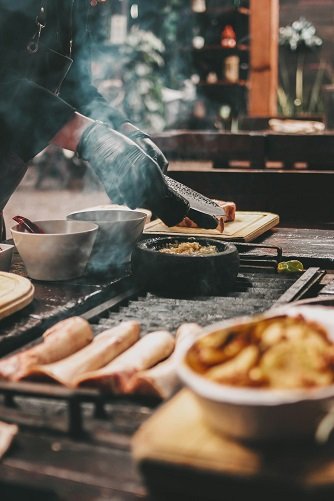
For any beginner home chef, having the right tools in the kitchen is crucial for successful cooking. A well-equipped kitchen can enhance the cooking experience and simplify various tasks. Essential kitchen tools encompass a range of items, from basic utensils to specialized gadgets. Here, we will explore the fundamental tools every novice cook should consider.
First and foremost, a quality set of knives is indispensable. A chef’s knife, paring knife, and serrated knife cover most cutting needs. Investing in a good knife not only makes food preparation easier but also safer. Pair these knives with a sturdy cutting board; wooden or plastic boards are ideal for protecting your knife edges while being easy to clean.
Cookware is another vital aspect of any kitchen. A versatile set of pots and pans, including non-stick and stainless steel options, ensures that beginner home chefs can tackle a variety of recipes. Non-stick pans are particularly beneficial for cooking delicate items like eggs, while stainless steel options are perfect for browning meats and creating sauces.
Measuring tools are key to achieving consistent results in cooking. A set of measuring cups and spoons is essential for accurate ingredient ratios. Home chefs should also consider investing in a kitchen scale for baking, where measurements greatly affect the final product.
Finally, a kitchen thermometer is a valuable gadget for ensuring food safety and perfect doneness. An instant-read thermometer is particularly useful for checking the internal temperature of meats or baked goods. When selecting kitchen tools, prioritize durability and ergonomics while remaining mindful of your budget. With these essential tools, beginner home chefs will be well-equipped to master various cooking techniques.
Fundamental Cooking Techniques
For beginner home chefs, mastering fundamental cooking techniques is vital as they serve as the backbone of many recipes. Starting with chopping, it’s essential to use a sharp knife, as a dull blade can make the task more dangerous. Begin by stabilizing your cutting board, ensuring it doesn’t slide. For vegetables, use the claw grip: tuck your fingers away from the blade, using your knuckles as a guide. Cut evenly sized pieces to ensure consistent cooking.
Sautéing is another key technique that enhances flavor. Heat a skillet over medium-high heat adding a suitable cooking oil once it’s sufficiently hot. The oil should shimmer but not smoke, which indicates it’s the right temperature for sautéing. Add your ingredients in a single layer to avoid steaming and allow them to brown naturally. Stir occasionally for even cooking and flavor development. Keep an eye on the cooking time to prevent burning.
Boiling is straightforward yet essential, especially for pasta or vegetables. Start with a pot of cold water, adding salt to enhance flavor. Bring the water to a vigorous boil before introducing the ingredients. Timing is crucial here; for pasta, follow the package instructions to achieve the desired al dente texture. For vegetables, be mindful of the cooking time to retain their color and nutrients.
Baking requires precision in both temperature and timing. Preheat your oven well before placing your dish inside. Use an oven thermometer to ensure the temperature is accurate since an oven that’s too hot or cold may alter the final result of baked goods. Always check for doneness a few minutes before the timer goes off to avoid overbaking, which can result in a dry product. By familiarizing yourself with these techniques, you will build a solid foundation for your cooking journey.
Flavor Building Basics
One of the cornerstones of successful cooking lies in flavor building, which involves the thoughtful combination of herbs, spices, and aromatics to create depth and complexity in dishes. For beginner home chefs, understanding how to develop flavors can significantly enhance the overall dining experience. Building flavors starts with selecting the right base ingredients, which serve as the canvas upon which the other components are layered.
Herbs and spices are essential tools in a chef’s arsenal. Fresh herbs such as basil, parsley, and cilantro can bring brightness to a dish, while dried spices like cumin, paprika, and black pepper add warmth and character. Pairing herbs and spices with specific ingredients can elevate a dish; for example, rosemary works particularly well with lamb, while dill complements fish beautifully. The key is to know the flavor profiles of various ingredients and how they interact with one another.
Aromatics, including garlic, onions, and ginger, are vital in the initial stages of cooking. Sautéing them helps release their essential oils, infusing the oil with flavor. A classic technique is to start many dishes with a combination of garlic and onion as a flavor base. This simple step can dramatically enhance the taste of soups, stews, and sauces.
Proper seasoning is also crucial. Salt, often referred to as a flavor enhancer, should be used judiciously throughout the cooking process. Adding salt at different stages allows flavors to develop, allowing the dish to balance out. A practical application might include preparing a simple sautéed vegetable dish. Starting with olive oil, adding aromatics, introducing seasonal vegetables, and lightly seasoning at various intervals can create a flavorful and satisfying plate.
In essence, learning to build flavors is an ongoing journey that encourages experimentation. By understanding flavor combinations and practicing proper seasoning, beginner chefs can transform simple dishes into culinary delights.
Simple Recipes to Practice Skills
For novice chefs seeking to build confidence in the Essential Kitchen Tools, the most effective way to practice and refine cooking skills is through practical application. Below are a selection of simple recipes that emphasize fundamental cooking techniques while also being beginner-friendly. Each recipe includes tips for variations or substitutions, allowing you to adjust based on available ingredients or personal preferences.
1. One-Pot Pasta Primavera
This vibrant dish is not only easy to prepare but also a great way to practice sautéing vegetables and cooking pasta simultaneously. Start by heating olive oil in a large pot, then add diced onions, bell peppers, and zucchini. Sauté until softened. Next, add your choice of pasta, vegetable broth, and seasonings. Cook until the pasta is tender, tossing in cherry tomatoes and spinach towards the end. For a twist, substitute pasta with quinoa or use any seasonal vegetables available.
2. Stir-Fried Rice
Stir-fried rice is an excellent recipe for mastering the stir-fry technique while incorporating leftover ingredients. Begin by cooking rice and letting it cool. In a skillet, heat sesame oil and add diced carrots, peas, and onions. Once vegetables are tender, add the rice along with soy sauce and scrambled eggs for protein. To customize, feel free to incorporate meats such as chicken or shrimp, or use tofu for a vegetarian option.
3. Basic Vegetable Soup
This comforting soup is perfect for practicing knife skills and simmering techniques. Chop an assortment of vegetables such as carrots, potatoes, and celery. In a large pot, heat olive oil, and sauté the vegetables before adding vegetable broth. Season with herbs like thyme or basil and allow the soup to simmer until the vegetbles are tender. For a heartier version, consider adding beans or lentils for added protein.
By experimenting with these simple recipes, beginner home chefs can effectively practice techniques discussed in earlier sections while enjoying delicious meals. With each dish prepared, confidence in the kitchen will surely strengthen, fostering a lifelong love of cooking.