
The concept of celebrity evolution has undergone a significant transformation over the decades, evolving from traditional media icons to the contemporary landscape dominated by social media influencers. In the mid-20th century, celebrities such as film stars and musicians defined popular culture, with their fame largely nurtured by television, movies, and print media. Publications like magazines played a crucial role in crafting public narratives around these personalities, thereby influencing societal perceptions and norms.
Television became the centerpiece of celebrity culture in the 1950s and 1960s, allowing audiences to engage with stars on a more personal level. With shows dedicated to entertainment, celebrities gained extensive visibility, solidifying their status as household names. The role of television only intensified in the following decades, as reality TV emerged, blurring the lines between scripted content and real-life experiences. This shift allowed viewers to witness the personal lives of celebrities, fostering a deeper connection and, consequently, a more complex public perception.
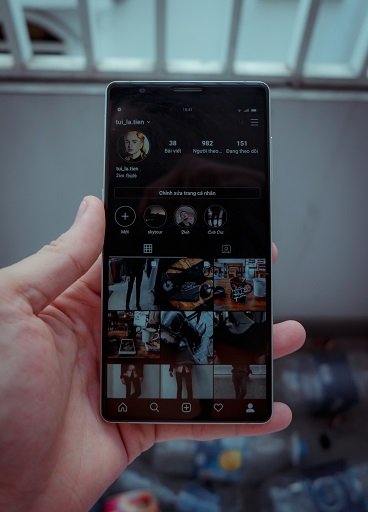
As we entered the 21st century, the rise of the internet and social media platforms heralded a new era in celebrity culture. The advent of social media has democratized fame, allowing individuals outside of traditional media to cultivate significant followings. Platforms like Instagram, Twitter, and TikTok provide influencers with tools for direct engagement with their audience, altering the celebrity-fan relationship drastically. This shift empowers fans, who now have increased access to celebrities, enabling interaction that was previously unthinkable. Moreover, social media allows for rapid dissemination of information, meaning that celebrity reputation can be shaped instantly, for better or worse. As a result, the dynamics of celebrity culture continue to evolve, reflecting broader societal changes in how we consume information and engage with public figures.
The Psychology of Social Media Influence
Social media has fundamentally transformed how we perceive and evaluate celebrity fame through various psychological mechanisms. One of the primary concepts influencing this phenomenon is the notion of popularity, which is often quantified by the number of likes, shares, and comments a post receives. This instant feedback loop creates a sense of validation for celebrities, where each interaction boosts their perceived societal value. The more engaging a celebrity’s content, the more likely it is to go viral, amplifying their reach and enhancing their public image.
Virality, a key component of social media dynamics, is driven by the algorithms that dictate content visibility. These algorithms reward posts that generate significant user engagement, leading to a cascade effect where popular posts are further amplified across social networks. This creates a situation where a celebrity can quickly gain or lose fame based on the public’s immediate reactions. A single viral moment can propel an emerging artist to superstardom or cause an established figure to face sudden backlash, emphasizing the precarious nature of fame in the digital age.
Additionally, cancel culture stands as a powerful testament to the dual-sided influence of social media. When public opinion turns against a celebrity, often catalyzed by social media discussions, the damage to their reputation can be swift and unforgiving. The rapid turnover of trends and narratives online can lead to fleeting fame and equally transient disgrace. In this environment, the fragility of public image highlights the importance of conscious engagement with social media, as celebrities navigate a landscape rife with both opportunity and peril. Such complexities illustrate that social media is not merely a platform for promotion but a substantial force that shapes the very essence of celebrity fame.
Social Media as a Tool for Branding
In the contemporary landscape of celebrity evolution fame, social media serves as a pivotal tool for personal branding. Celebrities, alongside their management teams, strategically harness various platforms—such as Instagram, Twitter, and TikTok—to curate and promote a public image that resonates with their target audiences. The utilization of tailored content is vital, as it not only reflects the individual’s personality but also engages fans in a meaningful way.
Curated content often includes behind-the-scenes glimpses, personal stories, and professional achievements, all designed to foster a deeper connection with followers. Moreover, effective audience targeting is crucial; brands leverage analytics and audience insights to ensure that their messages reach the most receptive groups, thereby enhancing their visibility and engagement rates. Case studies of successful celebrities offer valuable insights into this practice. For instance, Selena Gomez has effectively utilized her platforms to share messages on mental health, which resonates deeply with her audience, reinforcing her brand as relatable and authentic.
However, the dynamic nature of social media also presents challenges. The pressure to maintain a polished image can lead to pitfalls, such as perceived inauthenticity or misrepresentation. Celebrities must navigate these waters carefully, as authenticity plays a critical role in maintaining their fame. Audiences today are often astute, able to discern when a personality is being genuine or contrived, which can have significant implications for their public perception.
In essence, while social media undoubtedly empowers celebrity evolution to build and manage their brands effectively, it necessitates a balance between strategizing and staying true to oneself. As the social media landscape continues to evolve, those who successfully embrace this strategy will likely sustain their fame and foster a loyal following.
The Future of Celebrity Fame in the Digital Age
As we look to the future of celebrity evolution fame in the digital age, it is imperative to consider how emerging technologies and social media platforms will reshape public engagement with celebrities. The landscape is continually evolving, and platforms like TikTok have significantly altered how fame is generated and sustained. Unlike traditional media, which often relied on lengthy promotion cycles, platforms such as TikTok enable instant celebrity status, allowing individuals to achieve fame overnight with viral content.
Moreover, the integration of virtual reality (VR) and artificial intelligence (AI) is set to revolutionize the manner in which fans interact with their idols. AI can personalize content to create a more tailored social media experience, making the connection between celebrities and their audiences even more immediate and immersive. VR environments could allow fans to attend virtual concerts or meet and greet sessions, challenging the very concept of celebrity accessibility and engagement.
However, these technological advancements also pose critical questions about sustainability. The rapid cycles of engagement on social media raise doubts about whether the current paradigm can maintain its influence as audiences become increasingly desensitized to fame. As technology progresses, there may be a shift towards niche or micro-celebrities who resonate deeply with specific audiences rather than maintain broad, mass appeal.
Additionally, the digital landscape introduces complexities surrounding authenticity, as the line between real and fabricated personas blurs. Celebrities may increasingly curate their online presence with AI-assisted strategies, which could reshape audience expectations and interactions. In this context, the future of celebrity fame hinges not just on evolving platforms, but also on the intricate dynamics of authenticity and audience engagement.
In conclusion, as technology progresses, the future of celebrity evolution fame will likely be characterized by innovative engagement methods and shifting paradigms, prompting both challenges and opportunities for celebrities in navigating the digital world.