
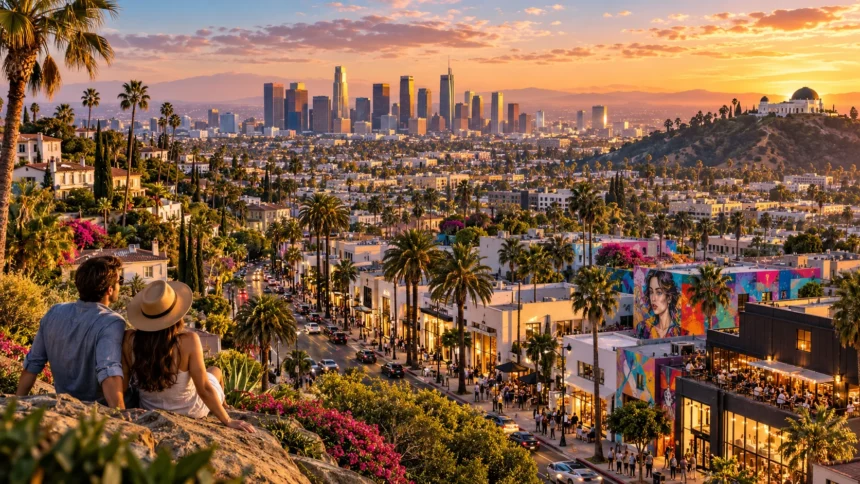
Los Angeles is one of the most exciting destinations in California, famous for its beautiful beaches, Hollywood landmarks, diverse communities, and vibrant cultural attractions. However, the city’s real charm extends far beyond its world-famous tourist attractions. Exploring the best neighborhoods in Los Angeles allows visitors to discover colorful streets, creative communities, delicious food, scenic parks, and unforgettable local experiences.
From the glamorous shopping streets of Beverly Hills to the artistic atmosphere of Silver Lake, every Los Angeles neighborhood offers something different. Some areas are ideal for beach lovers, while others attract visitors interested in art, entertainment, historic architecture, and international cuisine. Understanding these differences helps travelers choose destinations that match their interests and preferred travel experiences.
Whether you are planning your first Los Angeles vacation or returning to explore the city more deeply, choosing the right neighborhoods can make your visit more enjoyable. This comprehensive Los Angeles neighborhood guide highlights the top areas to explore, popular attractions, local experiences, and practical travel tips. You will also discover which destinations are best for sightseeing, shopping, food, and coastal relaxation.
1. Hollywood: Explore Los Angeles’ Famous Entertainment District
Hollywood is one of the most recognizable neighborhoods in Los Angeles, attracting visitors interested in movies, entertainment history, and famous landmarks. The area is closely associated with the American film industry and its cultural influence. Walking through Hollywood introduces travelers to historic theaters, entertainment attractions, and recognizable streets. It is particularly appealing to first-time visitors exploring Los Angeles.
The Hollywood Walk of Fame is among the neighborhood’s most popular attractions, featuring thousands of stars honoring entertainment personalities. Visitors can also admire the TCL Chinese Theatre and explore nearby Hollywood Boulevard. The Hollywood Sign is another iconic landmark visible from selected viewpoints across the city. These attractions provide memorable sightseeing and photography opportunities.
Hollywood can become crowded around its major tourist attractions, particularly during weekends and holiday periods. Exploring nearby streets and choosing reputable sightseeing services can create a more comfortable experience. Travelers should remember that Hollywood is an active urban neighborhood rather than a dedicated entertainment park. Planning a focused visit allows you to appreciate its famous landmarks without unnecessary rushing.
2. Beverly Hills: Discover Luxury Shopping and Elegant Streets
Beverly Hills is one of the most famous destinations in the Los Angeles area, known for its elegant streets, luxury shopping, and beautifully maintained surroundings. Although it is an independent city rather than a Los Angeles neighborhood, it remains a popular part of wider LA itineraries. Visitors come to admire its distinctive architecture, upscale boutiques, and glamorous atmosphere.
Rodeo Drive is Beverly Hills’ best-known attraction, featuring luxury fashion stores, elegant storefronts, and attractive streetscapes. Even travelers who are not interested in expensive shopping can enjoy walking through the district. Beverly Gardens Park provides another pleasant place to explore. Its landscaped surroundings offer a quieter contrast to the busy commercial streets nearby.
Beverly Hills is particularly appealing to travelers interested in fashion, architecture, and photography. Visitors can combine a shopping district walk with nearby cafés and public gardens. However, residential streets should be explored respectfully, with consideration for local privacy. A few hours are generally sufficient for enjoying the area’s major public attractions and polished atmosphere.
3. Santa Monica: Enjoy Beaches and Classic California Scenery
Santa Monica is one of the most popular coastal destinations in the greater Los Angeles area, offering beautiful beaches, ocean views, and a relaxed atmosphere. Like Beverly Hills, Santa Monica is an independent city rather than a neighborhood of Los Angeles. Its seaside location makes it attractive to families, photographers, and travelers seeking traditional Southern California experiences.
The Santa Monica Pier is one of the area’s most recognizable landmarks, featuring oceanfront attractions, entertainment, and beautiful coastal views. Nearby Santa Monica State Beach provides opportunities for walking, relaxing, and enjoying the Pacific coastline. Third Street Promenade is another popular destination for shopping and dining. These attractions are relatively convenient to combine during one visit.
Santa Monica is an appealing base for visitors who prioritize beaches and coastal sightseeing. Its walkable central areas offer a different atmosphere from many car-oriented parts of Los Angeles. However, accommodation near the waterfront can be expensive during popular travel periods. Exploring the beach, pier, and shopping districts provides a memorable introduction to California’s coastal lifestyle.
4. Venice Beach: Experience Creativity and Coastal Culture
Venice is one of Los Angeles’ most distinctive coastal neighborhoods, known for its artistic identity, beachfront atmosphere, and energetic public spaces. The area combines colorful street art, independent businesses, and beautiful ocean scenery. Visitors can enjoy a lively environment that feels different from the more polished atmosphere of nearby Santa Monica. Its creative character makes Venice particularly memorable.
The Venice Beach Boardwalk is a popular attraction where visitors can experience public art, performance spaces, shops, and coastal views. Muscle Beach and the nearby skatepark are recognizable parts of the neighborhood’s identity. Abbot Kinney Boulevard offers another experience through independent boutiques, cafés, and distinctive storefronts. These attractions showcase Venice’s diverse cultural personality.
The Venice Canals provide a quieter contrast to the busy beachfront, featuring picturesque waterways, pedestrian bridges, and attractive residential surroundings. Visitors can explore public walkways while respecting private homes and neighborhood rules. Beachfront areas can become crowded, particularly during pleasant weekends. Combining the boardwalk, canals, and Abbot Kinney creates a varied Venice sightseeing experience.
5. Silver Lake: Explore Trendy Cafés and Creative Communities
Silver Lake is one of the best neighborhoods in Los Angeles for travelers interested in independent businesses, creative culture, and distinctive local experiences. Located east of Hollywood, the neighborhood is known for its hillside streets, artistic atmosphere, and stylish cafés. Its character reflects a combination of established residential communities and contemporary creative businesses.
Sunset Boulevard runs through important parts of Silver Lake, offering restaurants, vintage shops, and interesting storefronts. Visitors can explore neighborhood cafés, browse independent boutiques, and appreciate colorful street art. The Silver Lake Reservoir area provides opportunities for walking and enjoying neighborhood scenery. These experiences offer an alternative to traditional Hollywood-focused sightseeing.
Silver Lake is particularly appealing to visitors who enjoy discovering local neighborhoods rather than concentrating exclusively on famous attractions. Some streets are steep, and businesses are spread across different sections of the area. Comfortable walking shoes and a flexible route are helpful. Exploring Silver Lake provides insight into Los Angeles’ creative identity and contemporary neighborhood culture.
6. Los Feliz: Discover Charming Streets and Griffith Park
Los Feliz is a charming Los Angeles neighborhood known for its leafy residential streets, historic architecture, and proximity to Griffith Park. Located near Hollywood and Silver Lake, it offers a relaxed atmosphere with attractive cafés, independent shops, and cultural landmarks. The neighborhood is ideal for travelers interested in combining city exploration with outdoor experiences.
One of the area’s biggest advantages is access to Griffith Park, which offers scenic trails, viewpoints, and major attractions. Griffith Observatory is particularly famous for its impressive architecture, astronomy exhibits, and panoramic views across Los Angeles. The surrounding parkland provides beautiful opportunities for photography. Visitors should check transportation arrangements and trail conditions before exploring.
Los Feliz also features interesting sections of Vermont Avenue and Hillhurst Avenue, where visitors can discover local businesses and restaurants. Its attractive streets make leisurely neighborhood exploration enjoyable. The area can provide a quieter experience than the busiest tourist districts while remaining relatively close to major attractions. Combining Los Feliz with Griffith Observatory creates a rewarding day of sightseeing.
7. Downtown Los Angeles: Explore Culture and Historic Landmarks
Downtown Los Angeles, often called DTLA, is the city’s central business and cultural district, featuring historic architecture, modern skyscrapers, museums, and entertainment venues. Its collection of smaller districts creates a varied urban environment. Visitors can discover important cultural institutions, traditional markets, and impressive buildings. Downtown offers a different perspective on Los Angeles beyond beaches and Hollywood.
The Walt Disney Concert Hall is one of Downtown’s most recognizable architectural landmarks, celebrated for its distinctive curved exterior. Nearby, The Broad museum offers an important collection of contemporary art. Grand Central Market provides a lively food experience, while the historic Bradbury Building is admired for its remarkable interior architecture. These attractions are popular highlights of central Los Angeles.
Downtown contains several distinct areas, so planning a walking route around specific attractions is useful. Some blocks are lively during business hours, while others become quieter at different times. Travelers should remain aware of their surroundings and use reliable transportation when necessary. A thoughtfully organized visit allows you to appreciate Downtown’s cultural diversity and architectural heritage.
8. Arts District: Experience Street Art and Industrial Architecture
The Arts District is one of Downtown Los Angeles’ most interesting areas, known for its converted industrial buildings, contemporary galleries, and creative businesses. Former warehouses now accommodate restaurants, studios, shops, and cultural spaces. The neighborhood’s blend of industrial history and modern artistic expression creates a distinctive atmosphere. It is especially appealing to travelers interested in design and photography.
Colorful murals and large-scale artworks are among the Arts District’s most recognizable features. Visitors can explore galleries, independent bookstores, and carefully designed retail spaces. Hauser & Wirth is a notable contemporary art destination within the neighborhood. Its changing exhibitions and cultural programming provide an additional reason to explore the area beyond street art.
The Arts District also offers a varied dining scene, with cafés and restaurants located inside restored industrial properties. Walking between selected streets reveals interesting architectural details and creative spaces. However, businesses are scattered across different blocks, so checking locations beforehand is helpful. Combining the Arts District with nearby Little Tokyo creates an enjoyable culture-focused itinerary.
9. Koreatown: Discover International Food and Urban Culture
Koreatown is one of Los Angeles’ most vibrant cultural neighborhoods, known for its diverse restaurants, shopping centers, and energetic streets. Located west of Downtown, the district reflects the influence of Korean American communities alongside many other cultural traditions. Its food scene is especially popular among visitors. Exploring Koreatown introduces travelers to another important side of Los Angeles.
Restaurants serve a wide selection of Korean dishes, including barbecue, traditional soups, noodles, and regional specialties. Visitors can also discover bakeries, dessert cafés, markets, and shops selling Korean cultural products. The neighborhood contains historic buildings and modern commercial spaces. Its combination of food, shopping, and cultural experiences makes it particularly rewarding for curious travelers.
Koreatown is relatively dense compared with many Los Angeles neighborhoods, giving certain streets an energetic urban atmosphere. Parking can be challenging, making public transportation or other suitable travel arrangements useful. Food enthusiasts may enjoy exploring several establishments during one visit. Checking business hours beforehand helps travelers organize an enjoyable experience without unnecessary transportation difficulties.
10. Little Tokyo: Explore Japanese American Heritage
Little Tokyo is a historic neighborhood in Downtown Los Angeles and an important center of Japanese American culture. Its streets feature cultural institutions, traditional businesses, restaurants, and contemporary shops. Visitors can experience the neighborhood’s distinctive atmosphere while learning about its historical significance. Little Tokyo is particularly appealing to travelers interested in food, history, and cultural heritage.
The Japanese American National Museum is an important attraction that explores the experiences and contributions of Japanese Americans. Nearby Japanese Village Plaza offers shops, restaurants, and recognizable architectural details. Visitors can also discover traditional confectioneries, bookstores, and dining establishments. These attractions create a memorable combination of educational sightseeing and cultural exploration.
Little Tokyo is conveniently located near the Arts District, allowing travelers to explore both areas during the same outing. Walking through its central streets provides opportunities to appreciate established businesses and community landmarks. Respectful cultural tourism is especially important because the neighborhood remains a living community. A thoughtful visit combines enjoyable experiences with an understanding of its history.
11. Echo Park: Enjoy Scenic Views and Local Neighborhood Charm
Echo Park is one of Los Angeles’ most recognizable residential and cultural neighborhoods, known for its scenic lake, historic streets, and diverse community. Located northwest of Downtown, it offers a mixture of outdoor attractions, independent businesses, and urban scenery. Its relatively central location makes it convenient for visitors exploring several nearby neighborhoods during one trip.
Echo Park Lake is a popular destination featuring walking paths, landscaped surroundings, and attractive views toward Downtown Los Angeles. Visitors can relax beside the water, appreciate the scenery, and enjoy available recreational activities. The neighborhood’s surrounding streets feature cafés, shops, and interesting architectural styles. Together, these attractions create a pleasant atmosphere for casual sightseeing.
Sunset Boulevard also passes through Echo Park, connecting visitors with restaurants and neighborhood businesses. The area reflects a combination of longstanding cultural traditions and newer creative influences. Travelers interested in photography may particularly enjoy lake views during pleasant weather. Exploring Echo Park provides a relaxed alternative to heavily visited attractions while remaining close to central Los Angeles.
12. West Hollywood: Experience Design, Shopping, and Entertainment
West Hollywood is another popular destination within the greater Los Angeles area, although it operates as an independent city. Known for its fashionable shopping streets, entertainment culture, and distinctive architecture, it attracts visitors interested in contemporary urban experiences. The area is particularly associated with design, fashion, music history, and a lively cultural atmosphere.
The Sunset Strip is among West Hollywood’s best-known destinations, featuring famous entertainment venues, hotels, restaurants, and recognizable landmarks. Melrose Avenue offers opportunities to discover fashion boutiques, design shops, and interesting storefronts. The surrounding streets also include cafés and public art. These attractions make West Hollywood appealing to visitors seeking stylish shopping and entertainment-related sightseeing.
West Hollywood is well positioned for exploring nearby Beverly Hills, Hollywood, and other west-central destinations. However, traffic can increase travel times even across relatively short distances. Consider grouping attractions geographically to avoid unnecessary journeys. Visitors interested in fashion, architecture, and contemporary Los Angeles culture may find West Hollywood especially enjoyable during a wider city vacation.
13. How to Choose the Best Los Angeles Neighborhood for Your Trip
Choosing the best neighborhoods in Los Angeles depends on the experiences you want from your vacation. Beach lovers may prefer Venice or nearby Santa Monica, while entertainment enthusiasts often prioritize Hollywood. Travelers interested in art, history, and architecture can explore Downtown and the Arts District. Those who enjoy discovering independent businesses may appreciate Silver Lake and Los Feliz.
Accommodation location is another important consideration because Los Angeles covers a large geographical area. Staying near your most important attractions can reduce transportation time and simplify daily planning. Consider access to public transportation, restaurants, and essential services when selecting a hotel. Beachfront accommodation and centrally located properties may have different price ranges depending on demand.
A successful Los Angeles itinerary should group nearby neighborhoods into manageable sightseeing days. Hollywood and Los Feliz can work well together, while Downtown, Little Tokyo, and the Arts District form another convenient combination. Venice and Santa Monica are suitable for coastal exploration. Planning around geography helps visitors experience more attractions without spending excessive time traveling across the city.
Conclusion
Exploring the best neighborhoods in Los Angeles is an excellent way to experience the city’s remarkable cultural diversity, historic landmarks, creative communities, and beautiful coastal scenery. From Hollywood’s entertainment attractions to Venice’s beachfront atmosphere and Silver Lake’s independent businesses, every area has its own personality. Los Angeles offers far more than its most recognizable landmarks, rewarding travelers who explore different districts.
Choosing the right neighborhoods depends on your travel interests, accommodation preferences, and available time. History enthusiasts may appreciate Downtown and Little Tokyo, while nature lovers can enjoy Los Feliz and Echo Park. Fashion enthusiasts may prefer Beverly Hills and West Hollywood, both independent cities within the wider metropolitan area. A balanced itinerary makes it easier to discover these different experiences.
Ultimately, Los Angeles is a destination best appreciated through its varied communities and distinctive local attractions. Combine famous sightseeing locations with quieter streets, public parks, cultural institutions, and interesting dining areas. Plan transportation carefully and leave room for unexpected discoveries. With thoughtful preparation, exploring Los Angeles and its surrounding cities can become a memorable Southern California adventure.
Frequently Asked Questions (FAQs)
1. What are the best neighborhoods to visit in Los Angeles?
Popular neighborhoods include Hollywood, Venice, Silver Lake, Los Feliz, Echo Park, Koreatown, Little Tokyo, and the Arts District. Nearby independent cities such as Santa Monica and Beverly Hills are also popular.
2. Which Los Angeles neighborhood is best for first-time visitors?
Hollywood is a popular choice for first-time sightseeing because of its famous entertainment landmarks. However, Santa Monica, Downtown, and Los Feliz also provide memorable introductions to the wider Los Angeles area.
3. What are the best areas in Los Angeles for food lovers?
Koreatown, Little Tokyo, Downtown Los Angeles, Silver Lake, and the Arts District offer diverse dining experiences. Visitors can explore regional specialties, international restaurants, independent cafés, and traditional food markets.
4. Is Los Angeles easy to explore without a car?
Some neighborhoods are walkable and connected by public transportation, but Los Angeles is geographically extensive. Exploring without a car is possible with careful planning, especially when grouping nearby attractions.
5. How many days are enough to explore Los Angeles neighborhoods?
Four to five days allow visitors to explore several popular neighborhoods and major attractions. A week provides more flexibility for coastal destinations, museums, cultural districts, and relaxed sightseeing.