
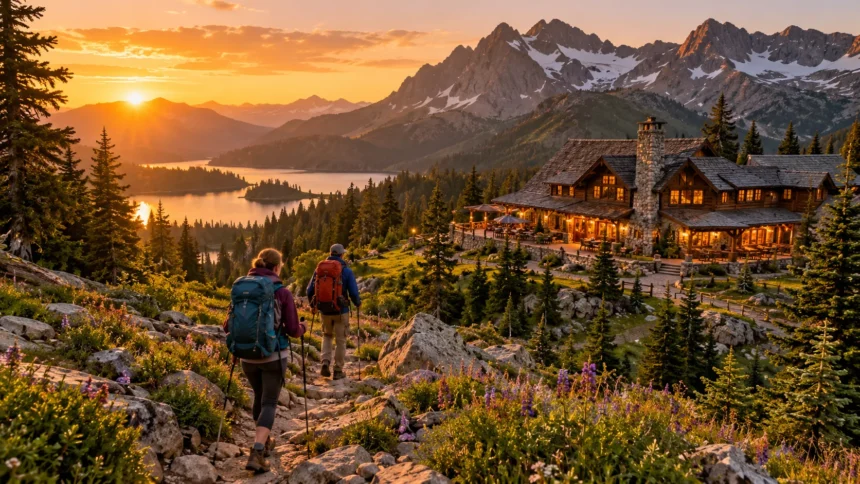
Exploring America’s beautiful landscapes on foot is one of the most rewarding ways to experience nature, discover charming towns, and escape everyday routines. However, traditional backpacking often requires carrying camping equipment, cooking supplies, and other essentials. Inn-to-inn hiking offers a comfortable alternative by combining scenic walking routes with overnight stays in welcoming accommodations.
The best inn-to-inn hiking in the USA includes beautiful routes through Vermont’s countryside, New Hampshire’s White Mountains, Virginia’s Shenandoah National Park, and California’s spectacular coastline. These adventures allow travelers to explore forests, mountains, rivers, and picturesque villages while enjoying comfortable places to rest after a day outdoors.
Whether you prefer gentle countryside walks or challenging mountain adventures, the United States offers several memorable inn-to-inn hiking opportunities. Some journeys feature traditional country inns, while others connect mountain huts, wilderness lodges, or historic accommodations. This guide explores popular routes, accommodation options, seasonal considerations, and practical planning tips for a memorable hiking vacation.
What Is Inn-to-Inn Hiking?
Inn-to-inn hiking is a style of multi-day travel where walkers explore scenic routes while staying in different accommodations along the way. Instead of carrying a complete camping setup, hikers typically bring essential daytime supplies and spend their evenings in inns, lodges, guesthouses, or mountain huts. This approach combines outdoor exploration with a more comfortable overnight experience.
Some organized hiking packages include luggage transfers, planned accommodations, meals, and transportation between trailheads. Independent travelers may arrange their own reservations and walking routes. The exact experience depends on the destination because American inn-to-inn hiking networks are generally less continuous than those found in several European countries.
The biggest attraction is the opportunity to focus on beautiful scenery without managing a traditional camping itinerary. However, inn-to-inn hiking still requires preparation, especially when trails involve substantial elevation changes or remote terrain. Understanding route difficulty, accommodation locations, and transportation connections helps travelers select an enjoyable experience.
1. White Mountains, New Hampshire – Best Mountain Hut-to-Hut Hiking
The White Mountains of New Hampshire offer one of America’s most established multi-day hiking experiences. This dramatic mountain region features rugged peaks, alpine landscapes, waterfalls, and beautiful forests. The Appalachian Mountain Club operates a network of mountain huts that allows hikers to travel between overnight accommodations along interconnected trails.
Popular huts include Lonesome Lake, Greenleaf, Zealand Falls, Galehead, and Lakes of the Clouds. Routes between these destinations offer different distances and elevation changes, allowing visitors to choose suitable itineraries. Accommodations generally feature shared sleeping arrangements, with meals provided during designated full-service operating periods at participating huts.
The White Mountains are particularly beautiful during summer and early autumn when hiking routes are more accessible. However, mountain weather can change rapidly, and certain trails contain steep or exposed sections. First-time visitors should choose manageable routes and confirm hut availability, weather forecasts, and trail conditions before their journey.
2. Shenandoah National Park, Virginia – Scenic Appalachian Trail Hiking
Shenandoah National Park is an excellent destination for inn-to-inn hiking along the Appalachian Trail. Located in Virginia’s Blue Ridge Mountains, the park features wooded ridgelines, scenic overlooks, waterfalls, and abundant wildlife. Several established accommodations near the trail make it possible to organize a multi-day walking experience.
A popular route connects the areas around Lewis Mountain, Big Meadows, and Skyland. Hikers can explore approximately 25 miles over several days, depending on their selected starting point and route. Lodging options include rustic cabins and comfortable park lodges, providing opportunities to rest without carrying traditional overnight camping equipment.
Spring and autumn are particularly attractive seasons for visiting Shenandoah because of wildflowers and colorful foliage. Summer also offers beautiful green landscapes, although humidity and thunderstorms can influence hiking conditions. Travelers should arrange lodging and trailhead transportation in advance because accommodations are seasonal and the hiking route does not form a simple loop.
3. Vermont Countryside – Best Traditional Inn-to-Inn Walking Experience
Vermont offers one of the most charming traditional inn-to-inn hiking experiences in the United States. Famous for its rolling green hills, covered bridges, picturesque villages, and historic country inns, the state is ideal for travelers who enjoy scenic walking. Its peaceful countryside creates a relaxing atmosphere for multi-day holidays.
Organized Vermont walking vacations may connect established inns through country roads, woodland paths, and selected hiking trails. Depending on the itinerary, travelers can explore areas around the Green Mountains and other rural landscapes. Comfortable accommodations, regional cuisine, and luggage transportation may be included in some organized packages.
Autumn is especially popular because Vermont’s forests display spectacular red, orange, and golden foliage. Late spring and summer also provide pleasant opportunities for countryside exploration. Travelers should understand that some inn-to-inn itineraries include road walking rather than continuous wilderness trails, making route selection important for personal preferences.
4. Berkshires, Massachusetts – Beautiful Appalachian Trail and Historic Inns
The Berkshires in western Massachusetts offer beautiful scenery, charming towns, and appealing multi-day hiking opportunities. The region is known for its forested hills, cultural attractions, and colorful autumn landscapes. Sections of the Appalachian Trail provide access to mountain viewpoints and nearby communities with traditional accommodation options.
Mount Greylock is one of the region’s major hiking attractions and the highest mountain in Massachusetts. Its summit features impressive views and the historic Bascom Lodge, which provides seasonal overnight accommodation. Travelers can build hiking itineraries around designated Appalachian Trail sections and nearby lodging, depending on availability and transportation arrangements.
The Berkshires are particularly appealing during autumn when the forests become colorful and daytime temperatures are often comfortable. Summer offers additional opportunities for outdoor exploration and cultural experiences. However, not every trail section connects directly with an inn, so hikers should carefully confirm distances, lodging arrangements, and transportation before starting.
5. Marin County, California – Coastal Inn-to-Inn Hiking Adventures
Marin County offers one of California’s most beautiful coastal walking experiences, featuring dramatic ocean cliffs, redwood forests, and picturesque seaside communities. Located north of San Francisco, the region contains an extensive network of public trails. These routes create opportunities to combine scenic hiking with overnight stays in traditional inns.
A popular inn-to-inn concept follows portions of the Marin coastline from the Marin Headlands toward Muir Beach, Stinson Beach, and Point Reyes. Travelers can enjoy ocean viewpoints, coastal grasslands, and forest scenery along selected routes. Accommodation options include established properties in nearby communities, although reservations and transportation connections require advance coordination.
Spring and autumn offer attractive conditions for exploring Marin’s coastal trails, with wildflowers or changing seasonal landscapes. Coastal fog, wind, and slippery paths can affect walking conditions throughout the year. Travelers should select established trails and avoid assuming that every coastal section provides a direct pedestrian connection between accommodations.
6. Rogue River Trail, Oregon – Riverside Lodge-to-Lodge Hiking
The Rogue River Trail in southwestern Oregon offers a distinctive wilderness hiking experience alongside one of the region’s most scenic rivers. The route passes through forested canyons, rugged hillsides, and remote natural landscapes. Its riverside location makes it particularly appealing to hikers who enjoy peaceful surroundings and outdoor adventures.
Multi-day trips can include overnight stays at established wilderness lodges situated along the Rogue River corridor. Some organized experiences coordinate meals, accommodation, and transportation while allowing participants to explore selected trail sections. Services vary considerably between operators, making it important to confirm exactly what a booking includes.
Late spring through early autumn is a popular period for exploring the region, although weather and trail conditions vary. Remote sections require careful preparation because access to services can be limited. Guided trips can provide useful logistical support, especially for travelers unfamiliar with the terrain or the location of overnight facilities.
7. Colorado’s Mountain Hut System – Alpine Hiking and Scenic Lodges
Colorado offers excellent hut-to-hut hiking opportunities through mountain landscapes, alpine forests, and scenic wilderness areas. The state’s established backcountry accommodation networks allow hikers to experience remote mountain environments without traditional tent camping. These routes are particularly attractive to travelers interested in dramatic views and peaceful alpine surroundings.
The 10th Mountain Division Hut Association and other organizations manage mountain huts in different parts of Colorado. Depending on the selected route, visitors may explore beautiful areas around the central Rocky Mountains and other alpine regions. Many huts provide sleeping facilities and basic kitchen equipment rather than the services of conventional hotels.
Colorado’s mountain routes can involve high elevations, changing weather, and substantial physical demands. Some huts require visitors to bring their own food and sleeping supplies, making their arrangements different from fully serviced inn-to-inn holidays. Travelers should consider altitude, trail difficulty, and seasonal accessibility before selecting a mountain itinerary.
8. Yosemite National Park, California – High Sierra Camp Adventures
Yosemite National Park is famous for its granite mountains, alpine lakes, spectacular valleys, and beautiful wilderness scenery. Beyond its famous roadside viewpoints, the park has historically offered multi-day hiking experiences connecting seasonal High Sierra Camps. These accommodations provide an appealing alternative to traditional backpacking when operations and reservations are available.
The High Sierra Camp system includes locations such as Glen Aulin, May Lake, Sunrise, Merced Lake, and Vogelsang. Routes between these areas pass through impressive mountain landscapes and high-elevation terrain. However, camp operations may be suspended or modified, and availability can change significantly between seasons.
Yosemite’s higher trails are generally most accessible during the summer hiking season after sufficient snow has melted. Travelers should verify whether overnight camps are operating rather than assuming accommodation will be available. High altitude, mountain storms, and limited services make realistic planning essential for visitors considering a multi-day wilderness experience.
9. Maine’s Appalachian Trail Region – Forests, Mountains, and Wilderness Lodges
Maine offers beautiful multi-day hiking opportunities through dense forests, mountain landscapes, and peaceful wilderness regions. The Appalachian Trail crosses some of the state’s most remarkable natural environments, including areas near the western mountains. Its scenic character attracts travelers looking for quiet outdoor experiences and memorable countryside adventures.
Certain organized hiking vacations combine selected Appalachian Trail sections with overnight stays in nearby inns or wilderness accommodations. Unlike a continuous European-style lodging route, Maine itineraries may require transportation between trails and overnight locations. This flexible approach allows visitors to experience varied landscapes while enjoying different accommodation types.
Summer and early autumn are popular periods for hiking in Maine, although mosquitoes, rainfall, and changing mountain conditions can affect comfort. Some wilderness routes are challenging and unsuitable for inexperienced hikers without appropriate preparation. Travelers should distinguish supported inn-based itineraries from remote Appalachian Trail sections that require conventional backpacking arrangements.
10. Rocky Mountain National Park Area, Colorado – Scenic Lodge-Based Trekking
The Rocky Mountain National Park area provides spectacular opportunities for hiking among alpine lakes, mountain forests, and dramatic peaks. Located in northern Colorado, the region attracts visitors interested in nature photography and outdoor recreation. Its nearby towns and accommodations make it possible to arrange multi-day walking vacations with comfortable overnight stays.
Organized lodge-based itineraries may combine different trails around the park with transportation between accommodations. Estes Park and surrounding communities offer access to numerous established hiking routes. However, these experiences are often supported multi-day hiking holidays rather than continuous footpaths linking inns directly from one destination to another.
Late spring through early autumn offers many opportunities for exploring lower and moderate-elevation trails, depending on snow conditions. Higher routes may remain inaccessible later into the year. Visitors should check park entry arrangements, trail restrictions, weather forecasts, and altitude considerations when planning activities in this beautiful mountain region.
Best Time to Go Inn-to-Inn Hiking in the USA
The best time for inn-to-inn hiking in the USA depends on the destination’s climate, terrain, and accommodation season. Summer is popular in northern mountain regions because many trails become more accessible after winter snow. However, warm weather can also bring crowds, thunderstorms, and increased demand for popular overnight accommodations.
Spring and autumn are especially attractive for lower-elevation destinations such as Virginia, Vermont, and coastal California. Spring may offer wildflowers and green landscapes, while autumn provides colorful foliage across much of New England. Travelers should remember that some mountain huts and seasonal inns close before colder weather arrives.
High-elevation destinations require particular attention to snow conditions and changing mountain weather. Coastal routes may remain accessible during a wider range of seasons, although rain, wind, and storms can affect safety. Choosing the appropriate travel period involves considering local conditions rather than relying on a single nationwide hiking season.
How to Choose the Best Inn-to-Inn Hiking Route
Choosing the right inn-to-inn hiking experience begins with understanding your preferred scenery and daily activity level. Some travelers enjoy gentle countryside paths and charming villages, while others prefer mountainous routes with substantial elevation changes. Considering these differences helps identify an itinerary that provides an enjoyable balance between walking and relaxation.
Accommodation preferences are equally important because facilities vary from comfortable guesthouses to basic shared mountain huts. Some destinations provide prepared meals, private rooms, and luggage transfers, while others offer simple bunks and limited services. Carefully reviewing what is included helps prevent confusion when comparing different hiking vacations.
Distance and transportation logistics should also influence your decision. A route with comfortable daily mileage may still be demanding because of steep climbs or uneven terrain. Travelers should evaluate their experience, available time, and suitable support options before choosing an itinerary that matches their individual capabilities.
Essential Tips for Planning an Inn-to-Inn Hiking Vacation
Successful inn-to-inn hiking begins with advance planning, particularly when accommodation availability is limited. Popular mountain huts and countryside inns may require reservations well before the intended travel dates. Confirming overnight arrangements, trail connections, and transportation options helps create a practical itinerary without unexpected logistical difficulties.
Packing should focus on essentials such as weather-appropriate clothing, comfortable footwear, drinking water, navigation information, and personal necessities. Travelers should also understand whether luggage transportation is included or if they must carry their overnight belongings. Requirements vary considerably between fully serviced walking holidays and remote mountain hut trips.
Trail safety should remain an important part of the experience, even when accommodations are available each evening. Check weather forecasts, follow established routes, and choose distances appropriate for your experience. Sharing your itinerary with a trusted contact and using reliable navigation information can provide additional reassurance when exploring unfamiliar landscapes.
Conclusion
The best inn-to-inn hiking in the USA combines remarkable natural landscapes with the convenience of comfortable overnight accommodations. From Vermont’s picturesque countryside and Shenandoah’s forested mountains to California’s coastal trails and New Hampshire’s alpine huts, travelers can choose from several rewarding experiences. Each destination offers a distinctive combination of scenery, accommodation, and outdoor exploration.
Inn-to-inn hiking is particularly appealing to travelers who enjoy multi-day adventures without carrying traditional camping equipment. However, route difficulty and lodging facilities vary significantly between destinations. Some itineraries include full-service inns and organized luggage transfers, while others involve basic mountain huts or transportation between separate hiking trails.
A memorable hiking vacation depends on choosing a suitable route, reserving accommodation, and preparing for local conditions. Travelers should prioritize comfortable distances, reliable arrangements, and respect for natural environments. With thoughtful planning, an inn-to-inn journey can offer a rewarding way to discover America’s beautiful mountains, forests, countryside, and coastlines.
Frequently Asked Questions (FAQs)
1. What is the best inn-to-inn hiking in the USA?
Popular options include Vermont countryside walking routes, Shenandoah National Park’s Appalachian Trail, New Hampshire’s White Mountains, and California’s Marin coastline. Each offers different scenery, accommodations, and levels of hiking difficulty.
2. Is inn-to-inn hiking suitable for beginners?
Yes, some inn-to-inn hiking trips are suitable for beginners when routes have manageable distances and comfortable terrain. More demanding mountain hikes require additional experience, so choosing an appropriate itinerary is important.
3. What is the difference between inn-to-inn and hut-to-hut hiking?
Inn-to-inn hiking usually connects traditional inns, guesthouses, or lodges. Hut-to-hut hiking generally involves mountain accommodations with simpler facilities, shared sleeping spaces, and fewer services than conventional hotels.
4. How many days are needed for an inn-to-inn hiking trip?
Many inn-to-inn hiking vacations last between two and seven days, depending on the route and personal preferences. Shorter trips are useful for beginners, while longer itineraries allow additional scenic exploration.
5. What should I pack for an inn-to-inn hiking vacation?
Bring comfortable hiking footwear, weather-appropriate clothing, drinking water, navigation information, and essential personal items. Packing requirements depend on whether the trip includes luggage transfers, meals, or basic mountain accommodation.