

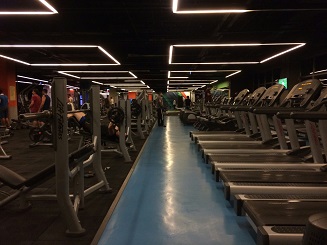
Fitness trends play a crucial role in shaping the way individuals approach their health and exercise routines. Staying updated with current fitness trends in the fitness industry can offer numerous advantages, including the opportunity to enhance physical performance and promote overall well-being. As new methods, technologies, and styles of exercise emerge, fitness enthusiasts often find themselves drawn to these innovations, which can invigorate their routines and foster a deeper commitment to their fitness goals. The integration of fresh techniques and approaches not only keeps workouts engaging but also introduces various forms of physical activity that may align better with individual preferences and lifestyles. Communal aspects of these trends encourage participation and motivation; group classes, for instance, create a sense of camaraderie among participants, fostering a supportive environment that enhances the overall fitness experience. This connection can make a significant difference in an individual’s motivation to stay consistent with their exercise regimen.
Moreover, technological advancements have changed the landscape of the fitness industry, offering users access to virtual workouts, fitness tracking apps, and other digital resources. Such tools can aid in setting goals, monitoring progress, and maintaining accountability. By analyzing these elements, one can see how fitness trends are often influenced not just by personal goals but also by social factors, including community involvement and technological innovations. Understanding these influences allows individuals to adapt their routines to better suit their needs while also maximizing their potential for success.
Emerging Technologies in Fitness
The fitness industry has witnessed significant advancements in technology, leading to transformative changes in how individuals approach their health and wellness. Wearable fitness trackers have become increasingly popular, offering users the ability to monitor their physical activity, heart rate, sleep patterns, and overall well-being. These devices provide real-time data that empowers users to make informed decisions about their fitness routines and health goals.
Fitness apps have also gained prominence, serving as essential tools for both novice and experienced enthusiasts. They often feature customizable workout plans, guided exercises, nutrition tracking, and community support. With detailed analytics, users can receive insights into their performance, helping them to effectively measure progress and adjust their training regimens as necessary. Many apps utilize artificial intelligence to personalize experiences further, ensuring that the workouts remain engaging and aligned with individual objectives.
Moreover, the emergence of virtual reality (VR) workouts is reshaping the landscape of fitness. VR technology creates immersive environments that enhance user experience by making exercise more enjoyable and interactive. Participants can engage in various activities—from cycling through virtual landscapes to participating in simulated fitness classes—eliminating some of the monotony associated with traditional workouts. This innovative approach not only boosts motivation but also encourages users to stay committed to their fitness journeys.
As these technologies continue to evolve, they foster an ecosystem that promotes higher levels of engagement and accountability. By integrating emerging technologies, individuals can benefit from a more personalized and dynamic fitness experience, leading to improved results and greater satisfaction in their fitness endeavors.
High-Intensity Interval Training (HIIT)
High-Intensity Interval Training (HIIT) has emerged as one of the most prominent fitness trends in recent years, capturing the attention of both casual exercisers and seasoned athletes alike. HIIT involves short bursts of intense activity followed by periods of lower intensity or rest. This training method not only improves overall fitness levels, but also boosts cardiovascular health, making it an efficient option for those with busy schedules.
Scientific research supports the effectiveness of HIIT, highlighting its ability to produce significant improvements in aerobic and anaerobic fitness. The appeal of HIIT lies in its time efficiency; a typical HIIT workout can last anywhere from 15 to 30 minutes while providing the same—or even greater—benefits compared to longer sessions of steady-state cardio. By engaging in such workouts, individuals can burn calories and fat, enhance metabolic function, and develop endurance all in a condensed timeframe.
Further, HIIT has been shown to elevate excess post-exercise oxygen consumption (EPOC), leading to continued calorie burning long after the workout has concluded. This phenomenon is often referred to as the “afterburn effect,” which is a significant advantage for those seeking not only to improve fitness but also to manage weight effectively.
Incorporating HIIT into a fitness routine can be both versatile and fun. There is a wide array of workouts available, ranging from bodyweight exercises like burpees and jumping jacks to using equipment such as kettlebells and battle ropes. Beginners might consider starting with simpler exercises and gradually increasing intensity, while advanced individuals may choose to incorporate cross-training activities like cycling or rowing for added variety.
In conclusion, the growing popularity of High-Intensity Interval Training can be attributed to its substantial benefits, including improved cardiovascular health, time efficiency, and adaptability to various fitness levels. By embracing HIIT, individuals can maximize their workouts and achieve better results in less time.
Mind-Body Fitness Techniques
The integration of mind-body fitness techniques into mainstream workout regimens has garnered significant popularity in recent years. Practices such as yoga, Pilates, and meditation workouts not only focus on physical strength and flexibility but also cultivate mental well-being. As individuals increasingly recognize the profound connection between mental and physical health, these practices have emerged as essential components of a holistic approach to fitness.
Yoga, for instance, is a centuries-old practice that promotes flexibility, balance, and strength while emphasizing mindfulness and meditation. Through breath control (pranayama) and various postures (asanas), yoga encourages individuals to cultivate a deeper awareness of their bodies and minds. This heightened state of mindfulness can lead to stress reduction and facilitate emotional healing, making it an invaluable practice for those seeking mental clarity in their fitness journey.
Similarly, Pilates offers a blend of physical conditioning and mental engagement. The emphasis on core strength, stability, and controlled movements translates not only into enhanced athletic performance but also fosters an increased focus on one’s bodily sensations and mental state. As practitioners engage in the sequential movements that characterize Pilates, they are often encouraged to maintain a focused mind, further linking physical activity with mental awareness.
Meditation workouts constitute another avenue that strengthens this mind-body connection. These practices, which may involve visualizations, breathing techniques, or guided imagery, can elevate one’s mental state while simultaneously benefiting the body. By integrating mindfulness into their fitness routines, individuals may experience improved emotional resilience and reduced levels of anxiety.
Incorporating mind-body fitness techniques into regular exercise routines offers multifaceted advantages that enhance overall well-being. As these trends continue to resonate with fitness enthusiasts, the emphasis on a balanced approach to health is, undeniably, a vital component of contemporary fitness culture.
Functional Training and Movement Patterns
In recent years, functional training has gained significant attention in the fitness community due to its emphasis on exercises that replicate everyday movements. Unlike traditional strength training that often isolates specific muscle groups, functional training focuses on engaging multiple muscles and movement patterns to enhance overall physical performance. This training method not only boosts strength but also improves balance and mobility, making it an excellent choice for individuals seeking a more comprehensive approach to fitness.
Functional training workouts are designed to help individuals perform daily activities with greater ease and efficiency. By integrating exercises that involve squatting, bending, lifting, and twisting, functional workouts mimic the natural movements used in daily life. For instance, kettlebell swings, lunges, and push-ups are examples of exercises that enhance functional strength. These movements promote the development of core stability, which is crucial for maintaining balance and preventing injuries.
The benefits of adopting a functional training regimen are numerous. Improved balance contributes to better coordination and reduces the risk of falls, particularly in older adults. Additionally, enhanced mobility allows individuals to perform activities like climbing stairs or reaching for objects more comfortably. Furthermore, engaging in functional exercises can lead to better performance in sports and recreational activities, as they condition the body for real-world scenarios.
Incorporating functional training into your workout routine can be as simple as integrating specific exercises that focus on movement patterns. For example, consider adding exercises such as medicine ball throws, step-ups, and resistance band rows. These exercises foster a full-body approach, encouraging the functional application of strength that carries over into everyday life.
Sustainable Fitness Practices
In recent years, there has been a notable shift towards sustainability within the fitness industry. This trend reflects a growing awareness of environmental issues and a commitment to integrating eco-friendly practices into our fitness routines. One prominent aspect of this movement is the rise of sustainable workout gear, which includes products made from recycled materials, organic fabrics, and items that are designed to have a lesser environmental impact. Consumers are increasingly looking for brands that prioritize sustainability, seeking out equipment that not only supports their fitness goals but also contributes positively to the planet.
Outdoor workouts have also gained popularity as a sustainable fitness practice. Engaging in physical activities outside not only provides a refreshing change of scenery but also minimizes electricity usage associated with traditional gym facilities. Activities like hiking, cycling, and group fitness classes in parks promote not only health and fitness but also foster a stronger connection to nature. This aligns perfectly with the ethos of sustainable living, combining the pursuit of well-being with environmental consciousness.
Moreover, many fitness enthusiasts are now participating in eco-conscious events. Charity runs, community cleanup projects, and sweat sessions that contribute to local environmental initiatives exemplify how fitness can serve a dual purpose. These events help raise awareness about environmental causes while also encouraging individuals to stay fit. By supporting practices that promote sustainability, individuals can lead by example, demonstrating that their health and well-being are interlinked with the health of the planet.
This growing trend underscores the belief that promoting health and fitness does not have to come at a cost to the environment. As more people embrace sustainable fitness practices, the industry will likely continue to evolve, ensuring that physical health and ecological responsibility go hand-in-hand.
Group Fitness Classes and Community Engagement
The resurgence of group fitness classes has marked a significant trend in the fitness industry this year. As individuals increasingly seek social connections, the structured environment of group workouts provides an engaging solution that combines physical activity with community support. Class formats have diversified, encompassing options such as high-intensity interval training (HIIT), yoga, cycling, and dance-based fitness. Each of these classes not only caters to varied fitness levels but also fosters a sense of camaraderie among participants.
Engaging in group fitness classes has profound social benefits. When individuals work out in a group, they are more likely to experience a sense of belonging and increased motivation. This communal atmosphere makes challenging workouts more enjoyable and less isolating, creating a shared commitment to health and wellness objectives. The accountability that comes with attending classes regularly can significantly enhance adherence to fitness goals. Knowing that a group awaits can encourage participants to push through barriers they might otherwise face when exercising alone.
Moreover, the variety of formats available ensures that participants can find a class that resonates with their personal preferences, allowing for greater engagement. From the zen-like experience of yoga to the exhilarating energy of a high-intensity class, each setting provides opportunities for individuals to connect on both a physical and emotional level. As fitness enthusiasts explore the myriad of options this year, they will find that the communal aspect of group fitness not only supports accountability but also cultivates lasting friendships and nurtures a positive approach to fitness.
Nutrition Trends in Fitness
As the pursuit of physical fitness continues to gain momentum, nutrition is increasingly recognized as a foundational component within fitness trends. The intersection of diet and exercise is critical, as the right nutritional strategies can significantly amplify one’s fitness journey. Among the notable trends in nutrition are personalized diets that cater to the unique requirements of individual fitness enthusiasts. This bespoke approach allows individuals to align their dietary choices with their specific goals, whether it be weight loss, muscle gain, or improved athletic performance.
Meal-planning applications have surged in popularity, serving as indispensable tools for those serious about optimizing their nutrition. These applications simplify the meal-preparation process, enabling users to make informed choices regarding their food intake. Through a user-friendly interface, many of these apps allow users to track their macronutrients, caloric intake, and overall dietary patterns, which fosters accountability and supports adherence to nutrition plans.
An array of diets has emerged, providing fitness enthusiasts with multiple pathways to achieve their goals. For instance, ketogenic diets, which emphasize high-fat and low-carbohydrate intake, have gained traction among bodybuilders and endurance athletes alike. Alternatively, plant-based diets focusing on whole, nutrient-dense foods are becoming increasingly popular due to their associated health benefits and alignment with sustainable eating practices.
Furthermore, the role of nutritional tracking cannot be overstated. By leveraging technology and apps designed for this purpose, individuals can gain a deeper insight into their dietary habits and make adjustments that align with their fitness goals. With growing awareness about the affect of nutrition on athletic performance and recovery, these trends are likely to continue evolving, making them an essential aspect of any comprehensive fitness regimen.
Conclusion: Finding What Works for You
As we conclude our exploration of the top fitness trends available this year, it is important to emphasize that finding the right fitness approach is a personal journey. Every individual has unique preferences, capabilities, and goals, which means that fitness is inherently not a one-size-fits-all endeavor. This year’s trends provide a diverse array of options, ranging from high-intensity workouts to mind-body practices like yoga and Pilates.
Engaging with different fitness trends can be both an enlightening and enjoyable experience. By trying out various approaches, you may discover activities that resonate deeply with you, fostering a positive relationship with fitness. For instance, if traditional gym workouts do not excite you, consider exploring outdoor activities such as hiking, cycling, or group classes that offer social interaction while promoting physical health.
Moreover, it is essential to maintain an open mind and be willing to adapt your routine. The realm of fitness is constantly evolving, with new trends emerging that cater to the diverse interests of individuals. Trends such as virtual workouts and wellness challenges can also play a significant role in keeping your motivation high and your routine fresh.
Ultimately, the key is to listen to your body and find activities that you genuinely enjoy. Setting realistic goals and celebrating small achievements along the way can significantly contribute to a sustainable fitness journey. By exploring the trends highlighted in this article and incorporating those that resonate with you, you can create a fulfilling and effective fitness regime that enhances your overall well-being.