

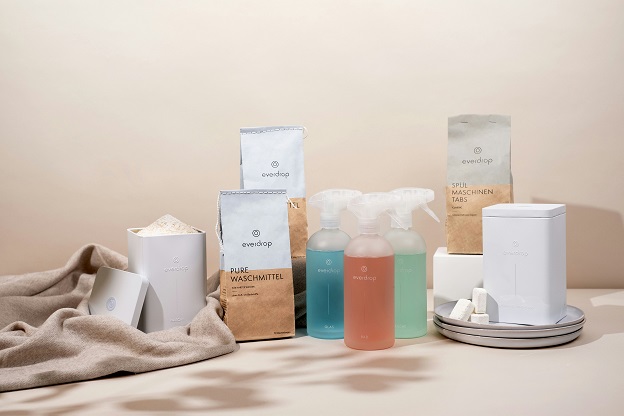
Sustainable living refers to a lifestyle that seeks to reduce an individual’s or society’s use of the Earth’s natural resources and personal resources. In an age characterized by climate change, resource depletion, and increasing waste production, sustainable living has emerged as an essential practice for promoting environmental health. This approach emphasizes the importance of making conscious choices that not only benefit the present generation but also safeguard the planet for future inhabitants. Central to sustainable living is the integration of eco-friendly products into daily routines. These products are designed to have a minimal impact on the environment, often made from renewable or recycled materials and produced with sustainable practices. By opting for such products, individuals can significantly reduce their ecological footprint. For example, replacing disposable plastic items with biodegradable alternatives can greatly minimize landfill waste and reduce pollution in natural habitats.
The relevance of sustainable living in today’s world cannot be overstated. As global populations continue to rise and consumerism intensifies, the mounting pressure on our planet’s resources calls for urgent action. Furthermore, recent studies indicate a direct correlation between consumer choices and environmental degradation. This realization has sparked a growing movement towards sustainability, where both individuals and businesses are more aware of their roles in fostering a healthier planet.
Eco-friendly products serve as tools that facilitate this transformative shift. By prioritizing sustainable options in our purchasing decisions, we contribute not only to a healthier environment but also to a cultural change that values sustainability. Thus, embracing sustainable living is not merely an individual endeavor but a collective responsibility crucial for the preservation of our ecosystem.
The Importance of Choosing Eco-Friendly Products
Choosing eco-friendly products plays a pivotal role in fostering sustainable living, which extends far beyond individual consumer preferences. Firstly, opting for these products significantly contributes to reducing waste. Eco-friendly items are often designed with materials that are biodegradable, recyclable, or sustainably sourced, which mitigates the burden on landfills and ensures less pollution in our ecosystems. By consciously selecting products that are less harmful to the environment, consumers can directly influence waste management practices and encourage industries to prioritize sustainable packaging and product design.
Furthermore, the conservation of resources is a crucial benefit of using eco-friendly products. Traditional manufacturing processes often rely on finite resources and can be detrimental to ecosystems. In contrast, eco-friendly alternatives frequently utilize renewable materials and energy-efficient production techniques. Consequently, by choosing products made from these sustainable resources, consumers support the preservation of natural habitats and promote a circular economy that minimizes resource depletion.
Additionally, there are profound positive effects on health and well-being attributed to the use of eco-friendly products. Many conventional items contain toxic chemicals and synthetic fragrances that can lead to various health issues, including allergies and respiratory problems. In contrast, eco-friendly products typically employ natural ingredients that are safer for both consumers and the environment. By making informed choices, individuals not only protect their health but also contribute to the creation of healthier communities.
Ultimately, individual choices regarding eco-friendly products accumulate to create significant positive changes at a larger scale. Each purchasing decision can contribute to environmental goals such as reduced carbon footprints and enhanced biodiversity. The collective impact of these conscious choices reinforces the importance of sustainability and encourages others to follow suit, promoting a more balanced relationship with our planet.
Sustainable Personal Care Products
As consumers become more environmentally conscious, the demand for sustainable personal care products has increased significantly. These eco-friendly alternatives not only support individual health but also contribute to minimizing environmental impact. Traditional personal care items often contain harmful chemicals and generate unnecessary waste, while sustainable options provide healthier benefits and emphasize biodegradability.
Organic skincare products are a prime example of this shift. Made from naturally sourced ingredients, these products avoid synthetic additives and potential irritants found in conventional skincare. By choosing organic formulations, consumers can ensure they are using products free from toxins that may harm both their bodies and the planet. Furthermore, many organic brands adopt eco-friendly packaging, reducing plastic waste.
Another innovative sustainable option is the biodegradable toothbrush. Traditional plastic toothbrushes take hundreds of years to decompose, contributing to landfill problems. In contrast, bamboo toothbrushes offer a renewable solution. They feature biodegradable bristles and handles that break down more rapidly in compost environments, making them a wiser choice for those aiming to reduce their ecological footprint.
Refillable beauty containers have also emerged as a viable solution in the personal care sector. These containers allow consumers to purchase only the product refill rather than a new package, significantly cutting down on plastic production and waste. Numerous brands now offer refillable systems for lotions, serums, and other beauty essentials, promoting a closed-loop cycle that supports sustainability.
When weighing the benefits of sustainable personal care products against traditional items, the advantages are clear. These eco-friendly options align with a growing commitment to sustainable living, fostering a healthier lifestyle while safeguarding the environment. By making informed choices in personal care, individuals can substantially impact the movement toward a greener future.
Eco-Friendly Cleaning Supplies
As the awareness of environmental sustainability continues to grow, many consumers are seeking eco-friendly cleaning supplies that align with their values. These cleaning products not only deliver effective cleaning power but also prioritize the health of our planet. A significant aspect of eco-friendly cleaning is the use of biodegradable ingredients, which break down naturally, minimizing adverse effects on the environment.
In recent years, a plethora of brands have emerged, focusing on developing cleaning products with natural and non-toxic formulas. These products are often derived from renewable resources and avoid harsh chemicals such as phosphates, chlorine, and surfactants traditionally found in conventional cleaners. For instance, plant-based cleaners harness the natural cleaning abilities of ingredients like vinegar, baking soda, and essential oils, offering an effective solution for a wide range of cleaning tasks without contributing to pollution.
Moreover, the packaging of these eco-friendly cleaning supplies is often designed to reduce waste. Many companies provide refillable options, allowing consumers to purchase bulk sizes or refillable containers that can be reused multiple times. This eliminates the need for single-use plastic bottles, significantly lessening the overall rubbish generated from cleaning products. Additionally, some brands are now transitioning to compostable or recyclable materials, further enhancing their environmental commitment.
For individuals looking to navigate their cleaning routines toward greenness, several products stand out in the market. Brands such as Seventh Generation, Ecover, and Mrs. Meyers offer comprehensive lines of eco-friendly cleaning supplies suitable for everything from glass cleaners to laundry detergents. By opting for these alternatives, one can not only maintain cleanliness in their home but also contribute positively to environmental sustainability.
Zero-Waste Kitchen Products
The concept of a zero-waste kitchen revolves around reducing, reusing, and recycling household waste, particularly in food preparation and storage. Incorporating zero-waste products into one’s kitchen not only contributes to environmental sustainability but also promotes healthier living. Among the essential zero-waste kitchen products, reusable food wraps have gained popularity as a sustainable alternative to plastic wrap. Made from organic cotton infused with beeswax or plant-based waxes, these wraps can be used to cover food or wrap snacks, significantly reducing reliance on single-use plastic.
Another pivotal product in the zero-waste kitchen is compostable utensils. Unlike traditional plastic forks and spoons, compostable cutlery is made from biodegradable materials such as corn starch or bamboo, which decompose naturally in a composting environment. By choosing compostable utensils, consumers can minimize plastic pollution while still enjoying the convenience of disposable cutlery during picnics or parties.
Glass storage containers stand out as another eco-friendly option for food storage. Unlike plastic containers that can leach harmful chemicals into food, glass is a safe, non-toxic material that is durable and reusable. Additionally, glass containers are generally dishwasher safe, making them easier to clean and maintain. By utilizing these containers to store leftovers or prep meals in advance, individuals can effectively reduce food waste.
Incorporating these zero-waste products into your kitchen routine is not only beneficial for the environment but also encourages mindful eating habits. By planning meals, using leftovers creatively, and choosing sustainable products, individuals can significantly reduce both food waste and their ecological footprint. This approach promotes a culture of sustainability that can be adopted by individuals and families alike.
Sustainable Fashion Choices
In recent years, the fashion industry has faced scrutiny for its adverse effects on the environment, particularly due to the rapid rise of fast fashion. Fast fashion brands frequently prioritize low costs and quick production times, leading to massive waste generation, pollution, and the depletion of natural resources. In contrast, sustainable fashion focuses on the utilization of eco-friendly materials and ethical production practices, ultimately promoting responsible consumption.
Leading the charge in sustainable fashion are brands that prioritize eco-conscious practices. Companies like Reformation specialize in stylish garments made from sustainable fabrics such as Tencel, organic cotton, and recycled materials. Their transparency regarding supply chain practices ensures that customers are informed about the ethical sourcing of their clothes. Another notable brand, Patagonia, is renowned for its commitment to environmental stewardship, striving to create high-quality outdoor apparel while advocating for environmentalism. They actively encourage customers to repair rather than replace garments, thus prolonging product lifespan.
Moreover, Eileen Fisher is celebrated for its enduring designs and focus on sustainability. The brand’s mission includes the use of organic and recycled fibers, as well as initiatives aimed at reducing waste in the production process. Inevitably, by purchasing clothing from these brands or similar eco-friendly alternatives, consumers can help mitigate the environmental impact of the fashion industry.
Choosing sustainable fashion is not just about seeking aesthetically pleasing garments; it is a collective effort to combat the ecological harm imposed by fast fashion. By supporting brands that emphasize sustainability, consumers can curate a responsible wardrobe that aligns with values of environmental consciousness and social responsibility. This mindful approach embodies a significant shift towards a more sustainable fashion future.
Eco-Friendly Home Goods
In the quest for sustainable living, eco-friendly home goods play a significant role in reducing one’s ecological footprint. These products, ranging from furniture to textiles, are designed to minimize environmental impact while offering functionality and style.
One notable category within eco-friendly home goods is furniture crafted from reclaimed wood. This type of furniture not only provides a rustic aesthetic but also contributes to sustainability by recycling materials that would otherwise end up in landfills. Reclaimed wood is sourced from old structures, giving it a unique character while diminishing the demand for new lumber and the associated deforestation.
In addition to furniture, sustainable textiles are gaining popularity in eco-conscious homes. Organic cotton, linen, and hemp are among the materials that are cultivated without harmful pesticides and fertilizers. These textiles contribute to a healthier indoor environment, as they are less likely to emit volatile organic compounds (VOCs). Moreover, investing in sustainable textiles, such as bed linens and curtains, helps reduce water consumption during production, further promoting eco-friendliness.
Energy-efficient appliances are another vital component of eco-friendly home goods. These products are designed to use less electricity and water compared to standard appliances, significantly cutting down energy bills and wasted resources. Many energy-efficient models are labeled with the ENERGY STAR certification, ensuring that consumers choose products that adhere to strict energy efficiency guidelines. By replacing older appliances with newer, sustainable options, individuals can achieve substantial reductions in their overall carbon footprint.
Collectively, these eco-friendly home goods contribute to a more sustainable lifestyle by promoting responsible consumption, reducing waste, and encouraging energy efficiency. By making informed choices in furniture, textiles, and appliances, individuals can lead the way toward a more sustainable future for their homes and the planet.
Innovative Technologies for Sustainability
In recent years, technological innovations have emerged as pivotal tools in the quest for sustainability. One prominent example is the increasing adoption of solar panels, which harness sunlight to generate electricity, significantly reducing reliance on fossil fuels. Solar energy systems have become more accessible and affordable, making them an integral part of many households aiming for eco-friendly living. By providing a renewable energy source, solar panels have the potential to lower carbon emissions and contribute to energy independence.
Alongside solar energy, energy-efficient devices play a crucial role in promoting sustainable practices. These appliances, such as LED light bulbs, energy-efficient refrigerators, and smart thermostats, are designed to consume less power while delivering optimal performance. Incorporating such technologies can substantially decrease energy consumption and utility bills, thus aligning personal comfort with environmental responsibility. Manufacturers are increasingly focusing on eco-design, ensuring that products not only meet performance standards but also minimize environmental impact throughout their life cycle.
Furthermore, the rise of mobile applications has revolutionized the way individuals track and manage their sustainable practices. Numerous apps are now available that allow users to monitor their energy consumption, track waste, and even evaluate their carbon footprint. By providing real-time feedback and suggestions on how to reduce environmental impact, these applications empower users to make informed decisions. For instance, some apps can scan product barcodes and offer insights into the sustainability of various goods, promoting conscious consumerism.
As technology continues to advance, it paves the way for innovative solutions addressing environmental challenges. By integrating these technologies into daily life, individuals can significantly enhance their sustainable practices and contribute positively to global efforts aimed at environmental preservation.
Conclusion: Making a Sustainable Impact
As we have explored throughout this blog post, adopting eco-friendly products plays a crucial role in promoting sustainable living. By integrating sustainable materials into our daily routines, we contribute to the preservation of our environment and help mitigate the impact of climate change. Every small change, whether it involves switching to biodegradable cleaning supplies or choosing reusable shopping bags, can cumulatively lead to significant improvements in our ecological footprint.
Moreover, the importance of individual actions cannot be overstated. Each person’s commitment to using eco-friendly alternatives helps create a collective movement toward sustainability. By prioritizing environmentally conscious products, we not only reduce waste and energy consumption but also inspire those around us to follow suit. This ripple effect can lead to increased demand for sustainable goods, prompting companies to innovate and expand their eco-friendly offerings.
In light of the information presented, it is evident that making informed choices regarding the products we use is essential in fostering a more sustainable future. The efforts to utilize eco-friendly solutions should not be viewed as a burden but rather as an opportunity for positive change. Let’s strive to educate ourselves and others about the benefits of sustainable living, thereby encouraging a broader societal shift toward using products designed with the environment in mind.
Ultimately, the path to sustainability is a shared journey. As individuals, we possess the power to drive change through our choices. It is vital that we embrace eco-friendly products and advocate for sustainable practices, as our combined efforts can create a lasting impact on our planet for generations to come. Together, let us embark on this vital endeavor for a greener, more sustainable world.