

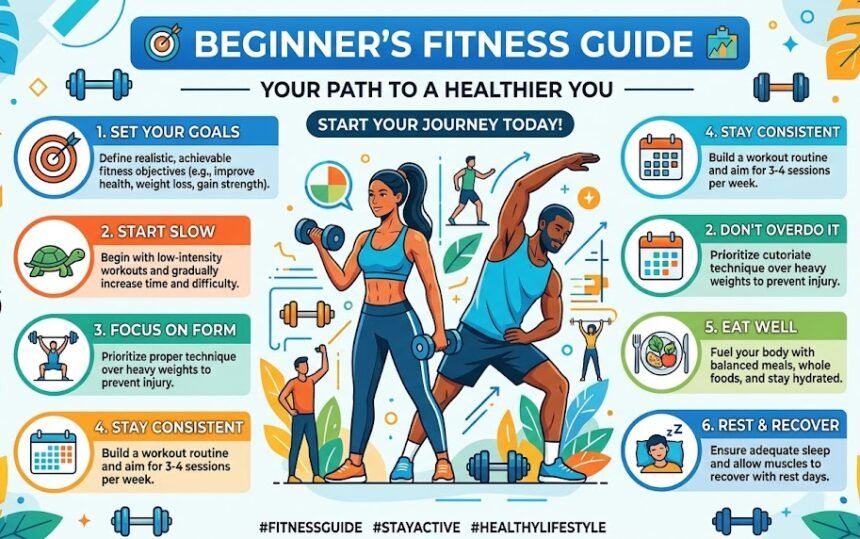
Fitness guide often conjures images of rigorous exercise sessions, running marathons, or lifting heavy weights. However, understanding fitness is much more comprehensive, extending beyond mere physical activity. At its core, fitness encompasses several components that contribute to an individual’s overall well-being.
Cardiovascular health is a cornerstone of fitness. It refers to the efficiency of the heart, lungs, and blood vessels in supplying oxygen to the body during sustained physical activity. Engaging in regular aerobic exercise, such as walking, cycling, or swimming, can significantly improve cardiovascular endurance, which is vital for overall health.
Strength training is another critical element of fitness. It involves exercises designed to enhance muscle strength and endurance. By incorporating resistance training into one’s routine, individuals not only build muscle but also improve metabolism and support bone health. Moreover, strength training contributes to functional fitness, enabling individuals to perform daily tasks with greater ease.
Flexibility is equally important, often overlooked, and refers to the range of motion available in joints and muscles. Activities such as yoga and stretching can enhance flexibility, thereby reducing the risk of injuries, improving posture, and promoting overall movement efficiency. Flexibility plays a vital role in maintaining physical function, particularly as one ages.
Mental wellness should not be neglected when discussing fitness. The connection between physical activity and mental health is well established. Regular exercise releases endorphins, which can alleviate stress, anxiety, and depression, ultimately leading to improved mood and cognitive function.
In summary, fitness is a holistic concept that integrates various dimensions of health, including cardiovascular endurance, strength, flexibility, and mental wellness. Embracing this multifaceted nature of fitness can lead to a more balanced and fulfilling lifestyle.
The Physical Benefits of Regular Exercise
Regular exercise is a cornerstone of a healthy lifestyle, offering a multitude of physical health benefits that extend beyond mere aesthetics. One of the primary advantages of maintaining a consistent fitness routine is the significant improvement in cardiovascular health. Engaging in activities such as running, cycling, or swimming enhances heart function, lowers blood pressure, and improves circulation, thereby reducing the risk of heart disease and stroke.
In addition to cardiovascular benefits, regular exercise plays a crucial role in building and maintaining muscle strength. Activities like weightlifting, bodyweight exercises, or resistance training stimulate muscle growth and fortification. This increased muscle mass not only facilitates daily activities but also contributes to better overall metabolism, aiding in weight management and fat loss.
Moreover, endurance is another key area where regular fitness activities yield benefits. Engaging in aerobic exercises consistently improves stamina, enabling individuals to perform daily tasks with greater ease and reduced fatigue. This enhanced endurance leads to better performance in both physical activities and sports, contributing to a more active lifestyle.
The aspect of weight management cannot be overstated. Regular participation in physical fitness routines assists in achieving and maintaining a healthy weight by burning calories and building lean muscle mass. This balanced approach is pivotal in avoiding obesity-related complications, making exercise a vital component of a weight management plan.
Finally, the overall enhancement of physical appearance is a significant motivator for many. Exercise can lead to improved posture, muscle definition, and increased energy levels, which collectively contribute to a more confident self-image. As individuals observe the physical changes resulting from their efforts, they become more likely to continue their fitness journey, fostering a lifelong habit of health and wellness.
Mental and Emotional Wellness Through Fitness
Engaging in regular physical activity plays a crucial role in fostering mental and emotional wellness. Research consistently highlights the positive impact of fitness on mental health, demonstrating that even moderate exercise can substantially lower anxiety and depression levels. The connection between exercise and mental well-being can largely be attributed to the release of endorphins, which are neurochemicals that act as natural mood lifters. When individuals participate in activities such as jogging, cycling, or swimming, their bodies produce endorphins, resulting in enhanced feelings of happiness and reduced stress.
Furthermore, fitness offers a productive outlet for expression and a way to cope with daily stressors. Through structured workouts or physical activities, individuals can shift their focus away from life’s pressures, leading to a sense of accomplishment and empowerment. This psychological benefit is essential, as it allows individuals to gain a more positive perspective on life challenges and reduces the risk of developing chronic stress or anxiety disorders.
In addition to boosting mood, regular exercise is linked to improved sleep patterns, which is vital for optimal mental functioning. Quality sleep can help mitigate feelings of irritability and anxiety, creating a more stable emotional state. Moreover, engaging in group exercise or team sports fosters social interactions, which can enhance feelings of belonging and support, further contributing to emotional well-being. Ultimately, the combination of physical activity, social connection, and the biochemical benefits of endorphins creates a powerful foundation for mental health.
Incorporating fitness guide into daily life is essential for maintaining overall health and serves as a significant preventative measure against chronic diseases. Regular physical activity is linked to lowering the risk of various health conditions, including obesity, type 2 diabetes, heart disease, and hypertension. Each of these diseases poses considerable risks to individuals, yet studies show that an active lifestyle can dramatically reduce such risks.
Obesity, a major health concern globally, can often be managed or prevented through consistent exercise. Engaging in physical activities, whether it be walking, running, swimming, or engaging in sports, aids in maintaining a healthy weight by burning calories and building lean muscle mass. This, in turn, reduces the probability of developing obesity-related health issues.
Similarly, regular exercise plays a pivotal role in combating type 2 diabetes. Through enhancing insulin sensitivity and glucose metabolism, daily physical activity helps regulate blood sugar levels. For individuals already diagnosed with prediabetes, incorporating fitness into their routines can significantly deter the progression to type 2 diabetes.
Heart disease is another area where fitness makes a profound impact. Exercise strengthens the heart muscle, enhances blood circulation, and helps manage cholesterol levels. Engaging in cardiovascular exercises, such as cycling or jogging, can reduce the chances of developing heart disease, while also aiding in the management of existing heart conditions.
Hypertension, often referred to as high blood pressure, is a prevalent condition that can lead to serious health complications. Regular physical activity is known to lower blood pressure by improving heart function and reducing resistance in blood vessels. Recommendations suggest that participating in at least 150 minutes of moderate aerobic activity weekly can significantly decrease the risk of hypertension.
In summary, incorporating fitness into one’s daily routine not only contributes to overall well-being but also serves as an effective preventative health measure against chronic diseases. Emphasizing physical activity paves the way for a healthier future.
Setting Realistic Fitness Goals
Establishing achievable fitness guide goals is crucial for anyone looking to incorporate exercise into their daily routine successfully. When setting these goals, it is essential to ensure they are realistic and tailored to individual circumstances. One effective method for goal setting is to apply the SMART criteria: Specific, Measurable, Achievable, Relevant, and Time-bound.
A goal needs to be specific; vague objectives can make it difficult to measure progress. For instance, instead of saying, ‘I want to get fit,’ a more specific goal would be, ‘I aim to run 5 kilometers without stopping.’ This specificity provides clarity on what the end goal looks like.
Measurable goals are important as they allow you to track progress over time. By using metrics, such as distance, weight, or repetitions, you can easily assess whether you are on track to meet your objective. For example, if your goal is to lose 10 pounds, you can measure your weight weekly or bi-weekly to monitor your progress.
Achievable goals take into account your current fitness level and resources. Setting an overly ambitious target can lead to frustration or injury. It is important to evaluate your capabilities and set goals that push you while remaining attainable. If you are new to fitness, instead of aiming for an intense workout regimen right away, consider starting with a walking plan or beginner-level classes.
Relevant goals should fit into your overall life situation and aspirations. For instance, if your primary motivation is to improve your stamina for a specific event, ensure your goals reflect that ambition. Lastly, every goal needs a time frame which is where the Time-bound aspect of SMART comes into play. Setting a deadline creates a sense of urgency and provides motivation to adhere to your routine.
Finding the Right Fitness Routine for You
Determining the most suitable fitness routine is crucial for achieving one’s health and wellness goals. Different individuals possess varying interests, abilities, and fitness levels, making it essential for each person to explore diverse types of exercises to find what resonates with them. Engaging in a fitness regime that aligns with personal preferences not only enhances enjoyment but also promotes consistency in maintaining an active lifestyle.
One effective approach is to experiment with multiple fitness guide disciplines such as aerobics, strength training, yoga, or even outdoor activities like hiking or cycling. Each type of exercise offers unique benefits; for example, aerobic exercises are excellent for cardiovascular health, while strength training works to enhance muscle tone and enhance metabolic function. By sampling various routines, individuals can identify which activities excite them and fit seamlessly into their daily lives.
In addition to exploring various fitness options, it is essential to consider one’s personal interests and current fitness level. Beginners might prefer lighter, low-impact exercises to help ease into the habit of regular fitness without overwhelming themselves. Conversely, individuals with a higher fitness level may wish to challenge themselves with more intense workouts. In this context, personalizing a fitness routine to match specific interests not only fosters motivation but also increases the likelihood of sticking with it long-term.
Moreover, incorporating variety into fitness routines plays a significant role in maintaining engagement and preventing monotony. Switching between different types of exercises for example, alternating between swimming and yoga or weightlifting and cycling can keep the routine fresh and exciting. Such variation not only supports overall fitness improvements but also reduces the risk of physical burnout or injuries. Ultimately, understanding and adapting fitness routines based on individual interests and capabilities is key to leading a sustainable and fulfilling active lifestyle.
Overcoming Common Barriers to Fitness
Maintaining a consistent fitness routine can often be challenging due to various obstacles that individuals encounter in their daily lives. Among these, time constraints, lack of motivation, and injuries are some of the most prevalent barriers that hinder progress and engagement with physical activity.
Time constraints frequently emerge as a leading explanation for inactivity. With demanding work schedules and personal commitments, finding time for fitness can feel like a luxury rather than a necessity. However, incorporating physical activity into one’s day does not always necessitate extended periods at a gym. Engaging in simple activities, such as brisk walking during lunch breaks or utilizing shorter, high-intensity interval workouts, can be effective alternatives. Setting aside just 20 to 30 minutes per day to prioritize fitness can contribute significantly to overall health.
Another common barrier is a lack of motivation. It is essential to identify what drives personal interest in fitness. Targeting specific goals—be it improved health, weight loss, or enhanced strength—can reignite motivation. Additionally, creating a workout schedule and establishing accountability through training with a partner or a fitness group may help maintain enthusiasm and commitment. Keeping a journal to track progress can also enhance one’s sense of achievement.
Lastly, injuries or physical limitations can hinder the ability to engage in fitness activities. Individuals facing these challenges should consult with healthcare providers or fitness professionals to develop personalized workout plans that accommodate their needs. Low-impact exercises like swimming, cycling, or yoga can provide alternative avenues for maintaining an active lifestyle without exacerbating existing injuries.
Through practical approaches and a focus on individual circumstances, these barriers to fitness can be effectively managed, allowing for a healthier and more active lifestyle.
Creating a Sustainable Fitness Habit
Establishing a fitness guide habit that is sustainable requires a well-thought-out approach, emphasizing consistency and enjoyment. First and foremost, consistency is key; incorporating fitness into your daily routine should feel like a natural part of your life rather than a chore. Start by setting aside a specific time each day dedicated to physical activity. This could be as simple as a 20-minute walk during lunch or a scheduled gym session after work. By adhering to a regular schedule, you help your body and mind adjust to the routine, making it easier to stick with over time.
Moreover, it is essential to make your fitness journey enjoyable. Engaging in activities that resonate with you not only enhances the likelihood of sustaining your habit but also elevates your overall experience. Whether it’s dancing, swimming, or participating in group sports, finding an activity that you genuinely look forward to can significantly impact your motivation levels. This enjoyment transforms your fitness endeavors from a tedious requirement into a passionate pursuit.
Tracking your progress serves as another vital aspect of maintaining a sustainable fitness habit. Utilizing apps or journals to log your workouts, milestones, and feelings post-exercise can provide insight into your improvements and setbacks. This not only fosters accountability but also enables you to celebrate your achievements, no matter how small. Lastly, seeking a support system can greatly enhance your motivation and commitment. Sharing your fitness journey with friends, family, or community groups can provide encouragement and help keep you accountable, making the pursuit of fitness a shared experience.
The Long-Term Impact of Fitness on Quality of Life
Engaging in regular fitness guide activities plays a pivotal role in enhancing the overall quality of life. Numerous studies have shown a significant correlation between physical fitness and longevity. For instance, research published in the Journal of Physical Activity and Health indicates that individuals who maintain a consistent workout regimen tend to live longer compared to those leading sedentary lifestyles. This underscores the critical link between regular exercise and increased lifespan.
Moreover, beyond longevity, fitness contributes to improved mental well-being. A study conducted by the American Psychological Association highlights that individuals who regularly engage in physical activity report higher levels of happiness and reduced instances of depression and anxiety. The release of endorphins during exercise is a well-documented explanation for these mood-enhancing benefits, demonstrating that fitness is not only vital for physical health but also integral to mental and emotional stability.
Fitness also fosters accomplishments in various other areas of life. Participating in regular exercise has been associated with enhanced cognitive function and improved work performance. The Harvard Business Review reported that employees who incorporate fitness into their daily routines exhibit better focus, creativity, and problem-solving skills, which can lead to professional success and satisfaction. This holistic improvement showcases how fitness impacts various dimensions of life, promoting not only physical health but also career and personal achievements.
In conclusion, prioritizing fitness guide in one’s daily routine yields long-term benefits that significantly enhance the quality of life. By establishing a consistent exercise habit, individuals can enjoy enhanced longevity, increased happiness, and a greater capacity for success across multiple facets of their lives.