

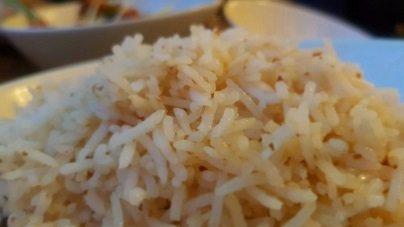
Rice is a staple food in many cultures around the world, and its varieties significantly influence the flavor and texture of a dish. Understanding the Different types of rice is essential for achieving the desired culinary results. Here, we will explore several common types of rice, each offering distinct characteristics that affect cooking properties and flavor profiles.
First, long-grain rice is known for its slender and long kernels, which remain separate and fluffy when cooked. Varieties like basmati and jasmine fall into this category. Basmati rice has a fragrant quality and a slightly nutty flavor, making it ideal for Indian and Middle Eastern dishes. On the other hand, jasmine rice offers a sweet aroma, commonly used in Thai cuisine.
In contrast, short-grain rice has a plumper and stickier texture. This type, often used in sushi, adheres well due to its higher starch content. It is particularly suited for dishes that require a compact presentation or creamy consistency, such as risottos and rice puddings.
Brown rice, which is whole grain rice, retains its bran layer, providing a nuttier flavor and chewier texture. While it requires more water and a longer cooking time compared to white rice, its nutritional benefits make it a popular healthier choice.
Finally, medium-grain rice strikes a balance between long and short grains. Varieties like Arborio are renowned for their ability to absorb flavors and create creamy textures in dishes like risotto.
By understanding these different types of rice, including their unique properties regarding water absorption and cooking times, home cooks can select the appropriate variety for their culinary needs. This knowledge is crucial for ensuring every rice dish is cooked to perfection.
Measuring Rice and Water Accurately
Achieving the ideal texture in cooked rice begins with the precision of measuring both rice and water. Accurate measurements play a vital role in ensuring that the rice cooks evenly and absorbs the correct amount of moisture. One common method for measuring rice is the conventional cup method, where one cup of uncooked rice typically requires two cups of water. This 1:2 ratio serves as a general guideline, but variables such as the type of rice and personal preferences can necessitate adjustments.
Another popular technique is known as the finger method, particularly effective when cooking rice directly in a pot without measuring cups. To employ this method, place the rinsed rice in the pot, then add water until it reaches the first knuckle of your finger when it is placed on top of the rice. This visual cue can yield consistent results, offering a hands-on approach for those who prefer to cook without the precision of measuring tools.
Furthermore, different types of rice can demand varying water ratios for optimal cooking. For instance, long-grain rice often requires slightly less water than short-grain rice due to its lower starch content. Conversely, for varieties like risotto or sticky rice, increasing the water quantity may be necessary to achieve a creamy texture or desired stickiness. Always consider personal texture preferences as well; if you enjoy firmer rice, slightly reduce the water. Conversely, if softer rice is your aim, a tad more water can be beneficial.
Ultimately, honing the art of measuring rice and water accurately not only elevates the quality of your dish but also empowers you as a cook to experiment confidently with different methods and rice varieties.
The Cooking Process: Step-by-Step Instructions
Cooking perfect rice requires attention to detail, from the initial steps of rinsing and soaking to the actual cooking process. Begin by measuring out the desired amount of rice. A common ratio is one cup of rice to two cups of water, but this can vary depending on the type of rice you are using. For instance, jasmine rice typically requires less water than basmati or brown rice.
Before cooking, it is essential to rinse the rice under cold water. This step helps remove excess starch, which can lead to gummy rice. Rinse the rice until the water runs clear, indicating that most of the starch has been washed away. Some cooks also prefer to soak the rice for 20-30 minutes before cooking, particularly for types like brown rice. Soaking can help to achieve a more evenly cooked grain and can reduce cooking time.
Now, let’s delve into the cooking methods. For stovetop cooking, bring the water to a boil in a pot, add the rinsed rice, and stir briefly. After that, reduce the heat to low, cover the pot with a lid, and let it simmer for 18-20 minutes without lifting the lid. When the time is up, turn off the heat and let the rice sit covered for an additional 10 minutes to steam.
If using a rice cooker, simply add the rinsed rice and the corresponding amount of water, then turn on the cooker. Most rice cookers have specific settings for different types of rice, ensuring optimal cooking results.
For the microwave method, combine rinsed rice and water in a microwave-safe bowl, covering it with a lid or plastic wrap. Cook on high for about 10-15 minutes, or until the water is absorbed and the rice is tender.
To check for doneness, taste a few grains. Fluffy rice is the goal; you can fluff the cooked rice with a fork before serving. Proper measuring, rinsing, and the cooking technique will yield perfectly cooked rice every time.
Common Mistakes and Troubleshooting Tips
Cooking rice, while seemingly simple, often leads to common mistakes that can impact texture and flavor. The first prevalent issue is excessive stickiness, which results from rinsing the rice inadequately prior to cooking. Rinsing removes surface starch and helps achieve the desired fluffiness. If your rice ends up too sticky, try adding a little more water or broth to the pot and allowing it to steam for an additional few minutes. This steams the rice and can help separate the grains.
Another common problem is undercooked grains, which can arise from insufficient cooking time or too little water. A general rule of thumb is to use a 2:1 water-to-rice ratio; however, this may vary with rice type. For harder varieties, like brown rice, consider increasing the water content slightly and extending the cooking time. If you discover your rice is undercooked, add a bit more water, cover it, and return it to low heat for another few minutes.
Flavor enhancement is another aspect that can often be overlooked. Rather than using just water to cook rice, substituting water with broth can elevate the overall flavor significantly. Additionally, consider incorporating spices or herbs – for instance, a bay leaf, garlic, or onion thrown into the pot can infuse delightful flavors into the rice. Experimenting with different herbs and spices can yield rice that not only complements your meal but also turns into a standout component on its own.
Lastly, rest the rice after cooking. Allowing it to sit covered for several minutes helps the grains firm up and absorb any remaining moisture, resulting in perfect rice every time. By being mindful of these common mistakes and employing practical troubleshooting tips, you can ensure that your rice turns out flawlessly.