
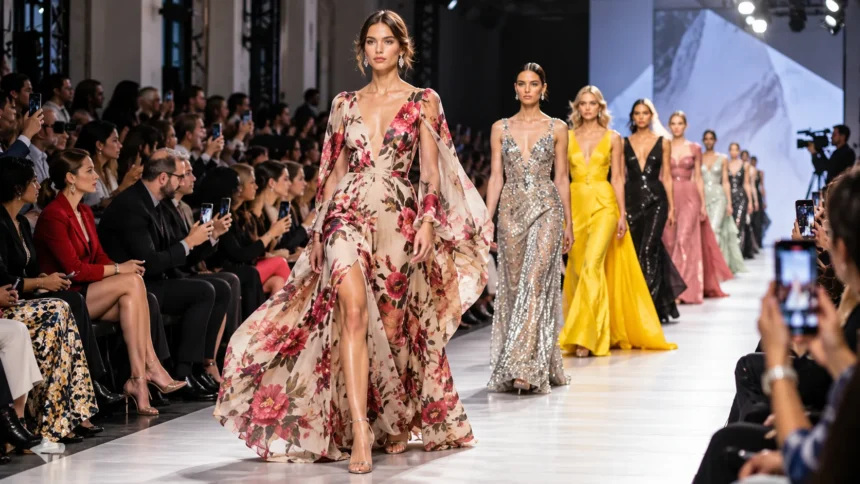
Fashion weeks are among the most exciting events in the global fashion industry, bringing together designers, models, buyers, journalists, stylists, and creative professionals. These events showcase upcoming clothing collections, introduce new design ideas, and influence how fashion trends develop. From established luxury labels to emerging designers, fashion weeks provide opportunities to present creative work to influential industry audiences.
Although runway shows attract much of the public attention, fashion weeks involve far more than models walking in designer clothing. Months of preparation, collection development, event coordination, marketing, and business meetings take place behind the scenes. Designers use these events to communicate their creative direction, strengthen relationships, and generate interest in upcoming collections.
Understanding how fashion weeks work helps explain their importance and what happens before, during, and after the shows. This guide explores the fashion week calendar, runway presentations, designer preparations, model casting, invitations, and industry opportunities. Whether you are interested in fashion design, styling, photography, or attending an event, these insights provide a practical introduction to the world of fashion weeks.
What Is Fashion Week?
Fashion Week is an organized series of events where designers and fashion brands present their latest collections to industry professionals and selected audiences. These presentations may include runway shows, exhibitions, showroom appointments, and creative installations. They allow designers to introduce clothing concepts and demonstrate how their collections reflect seasonal ideas or evolving brand identities.
Fashion weeks usually take place in major fashion cities and follow established industry calendars. Events often focus on upcoming seasons, giving buyers, retailers, and fashion publications time to evaluate collections before they become widely available. However, the format varies between cities, and some designers choose alternative schedules or presentation methods.
The purpose of Fashion Week extends beyond creating visually impressive shows. It supports professional networking, fashion communication, product discovery, and business development. For emerging designers, participation may introduce their work to new audiences, while established labels use the platform to strengthen brand recognition and communicate their latest creative direction.
How Did Fashion Weeks Begin?
The development of modern fashion weeks is connected with the history of organized fashion presentations and the growth of the clothing industry. Designers originally showed collections to selected clients in private salons and carefully arranged presentations. These events gradually became more structured as fashion businesses expanded and professional buyers required organized opportunities to review new designs.
New York played an important role in the development of the modern fashion week format. In 1943, publicist Eleanor Lambert organized an event known as Press Week to highlight American fashion designers. The initiative helped attract editorial attention to domestic fashion during a period when international travel and European fashion coverage were heavily disrupted.
Over time, fashion presentations expanded into internationally recognized events held in major cities. Paris, Milan, London, and New York became particularly influential within the global fashion calendar. Although these destinations remain important, fashion weeks now take place in numerous countries, reflecting the industry’s international creativity and expanding professional communities.
What Are the Big Four Fashion Weeks?
The term Big Four refers to the major fashion weeks held in New York, London, Milan, and Paris. These cities have long-established fashion industries and attract significant international attention. Designers, fashion editors, buyers, models, and other professionals travel between these locations to experience collections and participate in business activities.
Each fashion capital has developed a distinctive reputation shaped by its designers, cultural history, and creative institutions. New York is frequently associated with commercial fashion and American design, while London is recognized for experimentation and emerging talent. Milan has strong connections with Italian craftsmanship, and Paris maintains a prominent position in luxury and haute couture.
These descriptions represent broad traditions rather than fixed rules for every designer participating in each city. Contemporary fashion weeks include many creative approaches, from minimal presentations to elaborate runway productions. The Big Four remain influential, but fashion events in Copenhagen, Tokyo, Seoul, and other cities also contribute significantly to the global industry.
How Does the Fashion Week Calendar Work?
Fashion weeks traditionally operate around seasonal collection schedules that allow brands to present designs before they reach retailers. Women’s ready-to-wear collections are commonly shown during February and March for autumn and winter, and during September and October for the following spring and summer. This timing supports planning across production, purchasing, and fashion publishing.
Menswear and haute couture collections often follow separate calendars, with dedicated events taking place at different points throughout the year. Some brands also introduce resort, cruise, or pre-fall collections outside the primary fashion weeks. As a result, the international fashion calendar contains several overlapping presentation periods rather than one continuous event.
Fashion calendars can change as brands experiment with new business models, presentation schedules, and collection strategies. Certain designers combine collections or choose to show outside conventional seasonal arrangements. Anyone planning to attend an event should check the current organizer’s calendar instead of assuming that the same dates and formats apply every year.
What Happens Before Fashion Week Begins?
Preparing for Fashion Week often begins months before the first runway presentation. Designers develop collection concepts, research materials, create sketches, and refine garment designs. Teams then produce samples, arrange fittings, and make adjustments to ensure that the clothing communicates the intended creative direction.
Event planning also requires substantial coordination between designers, production teams, venues, and external specialists. Organizers arrange lighting, seating, music, backstage facilities, security, and technical equipment. Fashion brands may also work with public relations teams to coordinate media invitations, interviews, and promotional activities around the collection launch.
The final preparation period can involve model fittings, rehearsal schedules, garment alterations, and detailed production checks. Designers and stylists review the order of looks and consider how each outfit contributes to the overall presentation. These activities help transform individual garments into a coordinated event that communicates a consistent visual story.
How Do Fashion Designers Prepare Their Collections?
Fashion designers usually begin by developing a concept that provides direction for the collection. Inspiration may come from architecture, historical clothing, art, nature, cultural research, or personal experiences. Designers explore shapes, colors, fabrics, and construction methods to establish a recognizable theme while leaving room for creative experimentation.
After developing initial ideas, design teams create sketches, technical drawings, and sample garments. Fabric selection, pattern development, cutting, sewing, and fittings help transform concepts into wearable clothing. Each stage may require adjustments to improve construction, movement, appearance, or consistency across the collection.
The final selection of garments depends on the designer’s objectives, available resources, and presentation format. Some collections emphasize commercially practical pieces, while others explore experimental shapes or artistic ideas. Designers also consider how garments will appear under runway lighting and how the complete collection will communicate their brand identity.
How Do Models Get Selected for Fashion Week?
Model selection is an important part of fashion show preparation because designers need people who can present garments clearly and confidently. Casting directors and agencies often coordinate appointments where models demonstrate their walking technique, availability, and suitability for specific collections. Requirements vary considerably depending on the designer, event format, and intended presentation.
Casting decisions may consider garment fit, movement, professional experience, and the creative concept behind the collection. Designers increasingly work with a wider range of models to reflect different identities and approaches to fashion presentation. However, representation and casting practices still vary significantly across brands and events.
Once selected, models may attend fittings and rehearsals to understand the clothing and runway arrangements. Professional communication, punctuality, and preparation are important throughout the process. People interested in modeling should use established professional channels, verify opportunities carefully, and avoid agencies or individuals demanding suspicious payments or unsafe arrangements.
What Happens Backstage at a Fashion Show?
Backstage areas are busy working environments where teams prepare models, garments, accessories, and styling details before the presentation begins. Hair professionals, makeup artists, stylists, dressers, and production assistants coordinate their tasks according to a precise schedule. Careful organization helps ensure that every runway look is ready at the appropriate moment.
Garments are usually arranged in the order they will appear, with accessories and instructions prepared for each look. Models may receive final hair and makeup adjustments before being directed toward the runway entrance. Production teams communicate timing information to maintain a smooth transition between different parts of the show.
Although audiences see a polished presentation, backstage preparation can involve unexpected challenges. Clothing may require last-minute alterations, accessories can need replacement, and schedules sometimes change. Experienced teams respond through clear communication and practical problem-solving, demonstrating how much professional coordination contributes to a successful fashion event.
How Does a Fashion Runway Show Work?
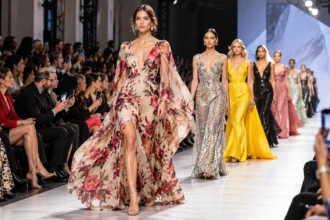
A runway show is a coordinated presentation in which models display a designer’s collection before an invited audience. The event often includes music, lighting, seating arrangements, and a carefully planned order of outfits. These elements work together to create a particular atmosphere and support the creative concept behind the clothing.
Before the show begins, production teams confirm that models, garments, and technical systems are ready. Models then enter the runway according to the planned sequence and present individual looks. Their movements allow viewers to observe silhouettes, fabric behavior, construction details, and how the garments appear during motion.
Most runway presentations are relatively short compared with the extensive preparation required to produce them. A show may last only several minutes, although timing depends on the number of looks and creative format. Afterward, designers and teams may participate in interviews, photographs, showroom appointments, or discussions with industry professionals.
What Is the Difference Between Runway Shows and Presentations?
Runway shows and fashion presentations both introduce collections, but they communicate designs through different formats. A runway show usually features models walking through a designated space in a planned sequence. This approach creates a dynamic experience that emphasizes movement, timing, and the visual relationship between different garments.
A fashion presentation may involve models standing or moving within a designed environment while guests explore the collection. This format can allow visitors to observe details more closely and spend additional time with individual looks. Some presentations also incorporate photography, film, performance, or interactive creative elements.
Designers choose between these formats based on their objectives, available resources, and preferred storytelling approach. Runway shows can create dramatic moments, while presentations may offer opportunities for more detailed observation and conversation. Neither format is automatically better, and both can support effective communication within the fashion industry.
Who Gets Invited to Fashion Week?
Fashion Week invitations are commonly distributed to professionals whose work connects with the fashion industry. These may include retail buyers, journalists, editors, stylists, photographers, celebrities, and selected content creators. The guest list depends on the designer’s audience, business goals, venue capacity, and event arrangements.
Retail buyers attend to evaluate collections that may be relevant to their stores, while journalists and editors gather information for fashion coverage. Stylists may identify clothing suitable for future creative projects. Influencers and public figures can also contribute to brand visibility through event coverage and audience engagement.
Not every Fashion Week event follows the same invitation policy. Some shows are private, while others provide public access through exhibitions, ticketed experiences, or related cultural activities. Visitors should verify the event organizer’s official arrangements rather than assuming that all runway shows sell tickets to the general public.
Can Beginners Attend Fashion Week?
Beginners can experience Fashion Week through different opportunities, although access to major designer runway shows is often restricted. Public exhibitions, fashion-related talks, creative events, and selected ticketed presentations may provide more accessible introductions. Availability varies by city, organizer, and season, so researching specific events is essential.
Students and emerging professionals may also find opportunities through educational institutions, internships, approved volunteering programs, or relevant industry connections. These experiences can introduce participants to event coordination, fashion communication, styling, or production. However, legitimate opportunities should provide clear responsibilities, transparent conditions, and appropriate professional supervision.
Attending Fashion Week does not require pretending to have professional status or purchasing expensive clothing. A thoughtful approach involves identifying events that match your interests and preparing accordingly. Learning about participating designers and understanding event expectations can make the experience more informative and comfortable.
What Should You Wear to Fashion Week?
Fashion Week clothing varies widely because events attract individuals with different creative styles and professional responsibilities. Some guests prefer expressive outfits featuring unusual colors, silhouettes, or accessories, while others choose understated looks. There is no universal requirement to wear luxury designer clothing to every fashion event.
Comfort and practicality are particularly important for people attending several shows or walking between venues. Consider the weather, transportation requirements, and length of your schedule before selecting an outfit. Comfortable shoes, suitable layers, and a manageable bag can make moving around the city easier throughout the day.
Your clothing can reflect personal creativity without following every current trend. Combining familiar wardrobe pieces in interesting ways may produce an outfit that feels original and appropriate. When attending professional events, review any stated dress expectations while prioritizing confidence, respectful presentation, and comfort over unnecessary spending.
How Do Fashion Buyers Use Fashion Week?
Fashion buyers attend selected fashion events to evaluate collections and identify products that may appeal to their customers. Their work involves considering design direction, product quality, price positioning, and potential retail demand. Runway shows provide an overview of a collection’s creative identity, but purchasing decisions require additional information.
Buyers often arrange showroom appointments where they can examine garments more closely and discuss product details with brand representatives. These meetings may involve fabric specifications, sizing, delivery schedules, and commercial terms. The process connects creative presentations with the practical requirements of retail planning and inventory management.
Not every collection shown on the runway will appear in stores exactly as presented. Retailers select products based on customer needs, available budgets, and business priorities. This distinction demonstrates that Fashion Week supports both artistic expression and commercial decision-making, even when the public primarily notices the visual spectacle.
Why Do Fashion Weeks Influence Trends?
Fashion weeks introduce new design ideas to audiences that include buyers, journalists, stylists, and creative professionals. Collections may highlight particular silhouettes, materials, colors, or styling techniques. When these ideas receive attention and appear across multiple brands, they can contribute to broader discussions about emerging fashion directions.
Fashion publications and digital platforms help circulate runway imagery beyond the people attending events. Editors interpret collections, while stylists and retailers may adapt selected ideas for different audiences. Social media can increase visibility, allowing fashion discussions to develop quickly across countries and creative communities.
However, trends do not originate exclusively from runway shows. Street style, music, cultural movements, consumer preferences, and independent designers also influence clothing choices. Fashion weeks are best understood as one important part of a larger creative system rather than the only source of changing fashion tastes.
The Role of Media and Social Media During Fashion Week
Fashion media plays an important role in documenting collections and explaining their creative significance. Journalists, photographers, editors, and video teams capture different aspects of each event. Their coverage allows people who cannot attend in person to learn about designers, view garments, and follow developments within the industry.
Social media has expanded how Fashion Week content reaches audiences around the world. Brands may share runway videos, behind-the-scenes photographs, interviews, and collection previews through digital platforms. These materials provide additional opportunities to communicate with customers and encourage discussion beyond traditional fashion publications.
Digital visibility also changes how audiences experience fashion events. Viewers may encounter highlights immediately rather than waiting for printed magazine coverage. However, short clips and photographs cannot always communicate the full context of a collection, making detailed reporting and thoughtful interpretation valuable alongside visually engaging content.
How Much Does It Cost to Organize Fashion Week Shows?
The cost of producing a fashion show depends on the designer’s resources, venue, production requirements, and presentation scale. Expenses may include location rental, lighting, sound, staffing, transportation, equipment, and creative services. Elaborate productions with custom installations can require considerably larger budgets than simple showroom presentations.
Brands must also consider collection development expenses, including sampling, fabrics, garment construction, and fittings. Public relations, photography, event coordination, and promotional materials may create additional costs. These expenses explain why participation can be challenging for independent labels operating with limited financial resources.
Some designers reduce production expenses through smaller presentations, shared events, or carefully selected creative partnerships. However, financial arrangements vary, and participation does not automatically guarantee commercial success. Evaluating expected visibility, professional relationships, and business opportunities helps brands determine whether a particular event justifies its overall investment.
How Fashion Weeks Support Emerging Designers
Fashion weeks can provide valuable exposure for emerging designers who want to introduce their work to industry audiences. Presenting a collection may help them communicate their creative identity and attract interest from buyers, journalists, or potential collaborators. These opportunities can be especially meaningful for designers building professional relationships.
Certain fashion organizations and educational initiatives support developing talent through showcases, mentoring, and presentation opportunities. These programs may offer access to resources that independent designers would otherwise find difficult to obtain. However, eligibility requirements and available support vary considerably, so applicants should research individual programs carefully.
Participation also involves challenges, including production costs, deadlines, and the pressure to communicate a consistent design direction. Emerging designers need to consider whether an event supports their actual business and creative objectives. A carefully planned smaller presentation may sometimes provide more practical value than an expensive runway production.
How to Start a Career Around Fashion Week
Fashion weeks involve many professional roles beyond fashion design and modeling. Opportunities can exist in styling, photography, journalism, event production, marketing, public relations, and creative direction. Understanding these different responsibilities helps beginners identify career paths that match their skills and interests.
Building relevant experience often begins with education, personal projects, internships, or supervised entry-level opportunities. Aspiring photographers can develop portfolios, while future stylists may practice creating coordinated looks for editorial projects. Writers interested in fashion journalism can analyze collections and produce original articles demonstrating their communication skills.
Professional relationships and reliable work habits are important in event-based industries. Meeting deadlines, communicating clearly, and respecting workplace expectations can support long-term development. Beginners should prioritize genuine learning opportunities and avoid assuming that attending high-profile events alone will automatically lead to a successful fashion career.
Conclusion
Fashion weeks are important industry events that bring together creativity, professional networking, collection development, and commercial planning. Although runway shows receive significant public attention, extensive preparation takes place behind the scenes. Designers, models, stylists, production teams, buyers, and media professionals all contribute to presenting new fashion ideas.
Understanding how fashion weeks work makes it easier to appreciate their influence on the broader clothing industry. These events help designers communicate their collections, allow retailers to explore products, and provide media organizations with material for fashion coverage. Public exhibitions and accessible cultural programs can also introduce beginners to the excitement of fashion events.
Whether you want to attend Fashion Week, explore professional opportunities, or simply understand the creative process, learning the basics is a valuable starting point. Researching event schedules, respecting access requirements, and exploring different industry roles can help you participate meaningfully. Fashion weeks ultimately demonstrate how artistic ideas, teamwork, and business decisions come together within the global fashion industry.
Frequently Asked Questions
What happens during Fashion Week?
During Fashion Week, designers present upcoming collections through runway shows, exhibitions, and presentations. Buyers, journalists, stylists, and other professionals attend to explore designs, develop business relationships, and document new fashion ideas.
Can anyone attend Fashion Week?
Some Fashion Week events are open to the public, but many major runway shows require invitations or professional accreditation. Visitors can explore public exhibitions, ticketed experiences, and related activities where available.
How many times a year does Fashion Week happen?
Major ready-to-wear fashion weeks generally occur twice annually for spring/summer and autumn/winter collections. Additional events may showcase menswear, haute couture, and other seasonal collections throughout the year.
Why do designers participate in Fashion Week?
Designers participate to introduce collections, communicate their creative identity, attract professional attention, and connect with potential business partners. These events can support brand visibility and commercial opportunities, although results vary.
What are the four major fashion weeks?
The four major fashion weeks are held in New York, London, Milan, and Paris. Known collectively as the Big Four, these events are influential parts of the international fashion calendar.