

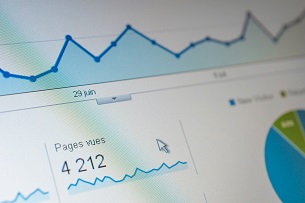
In the contemporary business environment, the power of data analytics has become an indispnsable asset for organizations striving to maintain a competitive edge. Data analytics refers to the systematic computational analysis of data sets to discover patterns, correlations, and trends, thereby transforming raw data into actionable insights. As businesses continue to accumulate vast amounts of data, the ability to leverage this information effectively has become crucial for informed decision-making. Organizations across various sectors are increasingly adopting data analytics to guide their strategies and enhance efficiency. By utilizing sophisticated analytical tools and methodologies, companies can derive meaningful insights from their data. These insights often lead to improved operational processes, refined marketing strategies, and enhanced customer engagement. For instance, businesses can analyze customer behavior through data patterns to tailor their offerings, leading to increased satisfaction and loyalty.
The growing importance of data analytics in business decisions cannot be overstated. Companies that harness data analytics are more likely to make informed choices rather than rely solely on intuition or traditional methods. This reliance on factual data allows for a more accurate assessment of market trends, enabling organizations to adapt swiftly to changing circumstances. Consequently, businesses that integrate data analytics into their decision-making processes not only achieve better outcomes but also enhance their overall adaptability in a rapidly evolving marketplace.
Ultimately, the ability to derive insights from data analytics empowers businesses to act decisively, ultimately leading to smarter and more strategic decisions that can significantly impact their bottom line. As the digital landscape continues to evolve, the integration of data analytics in business strategies will likely only increase, driving industries towards more analytical and data-driven practices.
Types of Data Analytics
Data analytics encompasses several methodologies that enable businesses to extract valuable insights from their data. The primary types of data analytics include descriptive, diagnostic, predictive, and prescriptive analytics. Each type serves a distinct purpose and contributes to informed business decision-making.
Descriptive analytics involves summarizing historical data to identify trends and patterns. This type of analysis provides businesses with a clear understanding of past performance, allowing them to evaluate sales, customer behavior, and operational efficiency. By utilizing key performance indicators (KPIs) and data visualization techniques, descriptive analytics helps companies gain insights into their overall performance.
Following descriptive analytics, diagnostic analytics further investigates the “why” behind observed trends. This form of analysis enables businesses to examine correlations and causations, shedding light on the reasons for certain outcomes. For instance, if a company experiences a decline in sales, diagnostic analytics can reveal factors such as seasonal trends, changes in consumer preferences, or the impact of competitive activities. This understanding allows businesses to address issues effectively.
On a more advanced level, predictive analytics focuses on forecasting future outcomes based on historical data patterns. By employing statistical algorithms and machine learning techniques, businesses can anticipate customer behaviors, sales trends, and market demands. This proactive approach enables organizations to make informed decisions about resource allocation and strategic planning.
Finally, prescriptive analytics goes a step further by providing actionable recommendations. By analyzing various scenarios and outcomes, prescriptive analytics helps businesses optimize their operations and improve decision-making processes. This type of analysis is particularly useful in fields such as supply chain management, marketing strategies, and financial planning.
In summary, understanding the various types of data analytics is crucial for businesses aiming to leverage data effectively. Each type plays a significant role in helping companies turn raw data into actionable insights that drive smarter business decisions.
The Role of Big Data in Analytics
In the modern business environment, the term “big data” has emerged as a critical component of data analytics. Big data refers to the vast volumes of structured and unstructured data generated from various sources, including social media, enterprise software, and online transactions. The ability to analyze these extensive datasets allows organizations to glean actionable insights that significantly enhance decision-making capabilities.
One of the primary advantages of utilizing big data in analytics is the potential for improved accuracy in forecasting market trends and consumer behavior. By aggregating and analyzing data from diverse channels, businesses can identify patterns that may not be immediately apparent through traditional analytical methods. These insights enable companies to optimize their operations, enabling them to respond swiftly to changing market dynamics.
Furthermore, big data analytics empowers organizations to personalize their marketing strategies more effectively. Through meticulous analysis of customer data, businesses can segment their audience, tailoring their marketing campaigns to suit the preferences of different customer groups. This targeted approach not only increases the likelihood of engagement but also fosters stronger customer loyalty.
Moreover, big data aids in risk management by providing comprehensive visibility into potential threats that may arise within a business context. Companies can employ predictive analytics to assess risk factors based on historical data, thereby facilitating informed decision-making. This preemptive approach allows organizations to mitigate risks effectively and allocate resources in a manner that maximizes potential profitability.
In conclusion, the integration of big data in analytics serves as a cornerstone for making informed business decisions. By harnessing the power of extensive datasets, companies can uncover valuable insights that drive efficiency, enhance customer satisfaction, and ultimately lead to sustained competitive advantage.
Key Tools and Technologies for Data Analytics
Data analytics relies heavily on a variety of tools and technologies that enable organizations to analyze, visualize, and interpret data effectively. These tools not only streamline the data analysis process but also enhance decision-making capabilities across different business functions.
One of the most essential categories of tools in data analytics is data visualization tools. Tools such as Tableau, Power BI, and QlikView allow users to create interactive dashboards and visual representations of data, making complex datasets more understandable. Through graphs, charts, and maps, these tools help stakeholders quickly identify trends, pinpoint anomalies, and derive actionable insights from data.
Another critical component of data analytics is business intelligence (BI) software. BI tools facilitate the collection, analysis, and presentation of business data. Popular options like Microsoft Power BI, SAS, and Domo enable companies to aggregate data from various sources, thus providing a comprehensive view of business performance. This holistic perspective empowers organizations to make informed strategic decisions based on real-time data analysis.
In addition, statistical analysis programs are vital for conducting deeper data analyses. Software such as R, Python with libraries like Pandas and NumPy, and SAS are widely used for advanced statistical modeling, predictive analytics, and machine learning applications. By employing these programs, businesses can uncover hidden patterns and trends within their data, leading to more accurate forecasting and enhanced decision-making.
Overall, the right combination of these tools and technologies is essential for any organization looking to harness the full potential of data analytics. Streamlining data analysis with these resources not only improves efficiency but also supports smarter business decisions based on reliable, data-driven insights.
How Data-Driven Decisions Improve Business Outcomes
In the modern business landscape, the utilization of data analytics has transformed the way organizations make decisions, culminating in improved business outcomes. Numerous businesses have harnessed analytical insights, leading to significant advancements in productivity, cost-efficiency, and customer satisfaction.
One prominent example is a major retail chain that implemented data analytics to optimize inventory management. By analyzing customer purchasing patterns and preferences, the company identified trends that indicated when certain products were likely to sell out or require restocking. This data-driven approach reduced excess inventory costs by 15% while simultaneously increasing customer satisfaction through improved product availability. By ensuring that customers found the products they wanted when they needed them, the retailer benefited from heightened loyalty and increased sales.
Another noteworthy instance involves a global airline that employed data analytics to enhance operational efficiency. By leveraging data collected from flight operations, customer feedback, and maintenance records, the airline was able to identify inefficiencies in its flight scheduling and maintenance processes. As a result, it streamlined operations, which led to a notable 20% reduction in operational costs, thereby significantly improving profitability. Moreover, timely maintenance scheduling resulted in fewer flight cancellations, further enhancing the customer experience.
Furthermore, a technology company utilized data analysis in its marketing strategies. By analyzing consumer behavior and preferences, the organization tailored its marketing campaigns to target specific demographics effectively. The integration of data analytics into its customer outreach not only boosted engagement rates but also increased conversion rates by nearly 30%. By understanding its audience better, the company was able to allocate its marketing budget more effectively, thereby maximizing its return on investment.
Consequently, these case studies illustrate how data-driven decisions lead to smarter business strategies and enhanced outcomes. Companies that actively embrace data analytics are not merely surviving but thriving in a competitive marketplace by making informed decisions that positively affect various facets of operations.
Challenges in Implementing Data Analytics
The implementation of data analytics within an organization entails several challenges that can hinder the success of data-driven decision-making processes. One of the foremost concerns is data privacy. As companies gather vast amounts of consumer information, they must navigate stringent regulations and ensure compliance with laws such as the General Data Protection Regulation (GDPR). Failure to address these privacy concerns can lead to legal repercussions and damage to a company’s reputation, causing stakeholders to hesitate in trusting the analytics initiatives.
Another significant hurdle is the integration of analytics into existing systems. Organizations often utilize various legacy systems for their operations, which may not be easily compatible with new data analytics tools. This incompatibility can result in data silos, where critical information remains isolated, undermining the potential for comprehensive analytical insights. Thus, it is essential for companies to develop robust integration strategies that enable seamless communication between existing systems and new analytical technologies.
Furthermore, there is a pressing need for a skilled workforce proficient in data analytics. Many organizations struggle to recruit and retain talent that possesses the necessary expertise in data analysis, data science, and related fields. The demand for skilled professionals in this area outpaces supply, leading to increased competition among organizations to hire qualified personnel. Companies might also face challenges in upskilling their current workforce to meet the analytical demands of their operations. Providing robust training programs can mitigate this issue, yet such initiatives require time and resources, which may not always be readily available.
Overall, addressing these challenges—data privacy concerns, system integration complexities, and the skilled workforce gap— is essential for leveraging the full potential of data analytics in driving smarter business decisions.
Best Practices for Effective Data Analytics Strategy
In the contemporary business landscape, establishing a robust data analytics strategy is paramount for driving informed decision-making. The first step in crafting this strategy is to set clear and specific objectives. Organizations must identify the key questions they aim to answer through data analytics, such as understanding customer behavior, optimizing operational efficiency, or enhancing product development. These objectives should be aligned with the overall business goals, ensuring that the insights derived from data analytics serve a strategic purpose.
Investing in the right technologies is another critical aspect of an effective data analytics strategy. Businesses need to select tools and platforms that are not only capable of handling large volumes of data but are also user-friendly and compatible with existing systems. Technologies such as cloud-based analytics solutions, artificial intelligence, and machine learning can tremendously enhance analytical capabilities. Furthermore, organizations should consider investing in training their teams to effectively utilize these tools, as the right technology becomes significantly more effective when operated by skilled personnel.
Collaboration within teams is equally essential for a successful data analytics strategy. Data analysis should not be confined to a particular department; rather, it should encourage cross-functional collaboration. By promoting a culture of data sharing and communication among departments such as marketing, finance, and operations, organizations can glean a broader perspective from their data. This collaboration can lead to enriched insights and more comprehensive interpretations, ultimately facilitating strategic decisions that are informed by a wide range of input and expertise.
By focusing on clear objectives, investing in suitable technologies, and fostering team collaboration, businesses can develop an effective data analytics strategy that empowers them to drive smarter decisions and achieve sustainable growth.
Future Trends in Data Analytics
The future of data analytics is set to transform the way businesses operate, driven by advancements in technology and evolving societal expectations. A notable trend is the integration of artificial intelligence (AI) and machine learning into data analytics. These technologies are enhancing the ability to process vast amounts of data in real-time, enabling businesses to extract actionable insights more efficiently. With AI algorithms that learn and adapt, companies can anticipate customer preferences, optimize operations, and make informed decisions that were previously unattainable.
Another pivotal trend is the rise of real-time analytics. As businesses become more data-centric, the demand for immediate insights is increasing. Real-time analytics allows organizations to monitor key performance indicators (KPIs) and operational metrics instantly, providing them the agility to respond to market changes swiftly. This capability not only enhances operational efficiency but also fosters a culture of data-driven decision-making across all levels of the organization.
Ethical data use is also gaining significant attention. As public awareness of data privacy issues grows, businesses must navigate the complexities of data ethics carefully. The implementation of comprehensive data governance frameworks is essential, ensuring compliance with regulations while maintaining consumer trust. Organizations that prioritize ethical practices in their data analytics strategies are likely to gain a competitive edge, as stakeholders increasingly favor companies that demonstrate responsible data stewardship.
In conclusion, the future of data analytics will be shaped by trends in AI, real-time processing, and ethical standards. These elements are poised to create a landscape where businesses can make smarter decisions, drive innovation, and foster sustainable growth. Organizations must stay ahead of these trends to leverage data analytics effectively and maintain relevance in an ever-evolving marketplace.
Conclusion and Call to Action
In the ever-evolving world of business, data analytics stands out as a pivotal tool that empowers organizations to make informed decisions. Throughout this blog, we have explored how data analytics helps streamline operations, improve customer experiences, and drive strategic growth. By leveraging data, companies can transform raw numbers into actionable insights, leading to smarter business decisions.
We discussed the role of data analytics in identifying trends and patterns that might otherwise go unnoticed. This capability allows businesses to respond proactively to market demands, optimize their offerings, and allocate resources more efficiently. As organizations increasingly compete in a data-centric environment, those who harness the power of analytics are significantly more likely to achieve long-term success.
Given the advantages that data analytics provides, it is imperative for businesses to adopt a data-driven approach. This transition not only enhances decision-making processes but also encourages a culture of continuous improvement and innovation. Companies looking to remain competitive should consider implementing analytics tools and strategies, starting from the simplest to the more complex processes tailored to their unique needs.
We urge organizations to embark on their analytics journey without delay. Whether you are just starting or looking to enhance your current practices, embracing data analytics can revolutionize your business operations and decision-making capabilities. Take the first step today, and consider integrating data analytics into your strategy to unlock the full potential of your organization. The future is data-driven; don’t let your competition move ahead without you.