
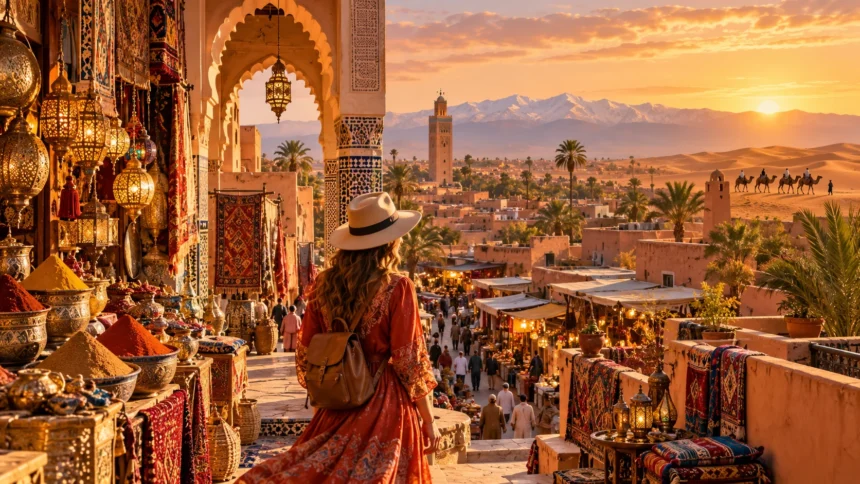
Morocco is one of North Africa’s most captivating travel destinations, known for its colorful markets, ancient cities, breathtaking mountains, and stunning desert landscapes. From the busy streets of Marrakech to the peaceful blue alleys of Chefchaouen, the country offers an incredible mixture of history, culture, and natural beauty. Traveling to Morocco provides opportunities to experience traditional architecture, delicious cuisine, and unforgettable adventures.
Whether you are planning your first trip to Morocco or returning to discover new destinations, preparing in advance can make your journey much more enjoyable. Understanding local customs, transportation options, accommodation choices, and travel requirements helps you explore with confidence. This Morocco travel guide covers essential tips, popular attractions, practical advice, and important things to know before visiting this fascinating country.
Why Morocco Is a Must-Visit Travel Destination
Morocco attracts travelers with its remarkable combination of cultural traditions, historical landmarks, and diverse natural landscapes. Visitors can explore ancient medinas, admire beautiful Islamic architecture, and discover bustling markets filled with handmade products. The country’s location between the Atlantic Ocean, Mediterranean Sea, and Sahara Desert creates unique opportunities for sightseeing, relaxation, and outdoor exploration.
One of Morocco’s greatest attractions is its rich cultural heritage, influenced by Amazigh, Arab, African, and Mediterranean traditions. Historic cities such as Fez, Marrakech, and Meknes feature impressive buildings, traditional neighborhoods, and centuries-old marketplaces. Exploring these destinations allows travelers to appreciate Morocco’s architectural achievements while learning about its fascinating history and everyday cultural practices.
Beyond its historic cities, Morocco offers remarkable experiences for nature lovers and adventure travelers. The Atlas Mountains provide spectacular scenery, while the Sahara Desert attracts visitors interested in dramatic landscapes and peaceful surroundings. Coastal destinations such as Essaouira and Agadir offer beautiful beaches, making Morocco suitable for travelers with different interests and vacation preferences.
Best Time to Visit Morocco for Pleasant Weather
Choosing the best time to visit Morocco depends on your preferred destinations and planned activities. Spring, particularly March through May, generally offers comfortable temperatures across many popular tourist regions. During this period, travelers can enjoy sightseeing, exploring historic cities, and discovering natural landscapes without experiencing the intense summer heat common in inland destinations.
Autumn, especially September through November, is another excellent season for traveling to Morocco. Temperatures often become more comfortable in cities such as Marrakech and Fez, making outdoor activities more enjoyable. Visitors interested in desert excursions frequently prefer spring or autumn because daytime conditions are generally more manageable than during the hottest summer months.
Morocco’s climate varies significantly between coastal areas, mountainous regions, and desert landscapes. Coastal destinations often experience milder temperatures, while the Atlas Mountains can become cold and snowy during winter. Before arranging your trip, check the weather conditions for each destination and pack suitable clothing for potential temperature changes throughout your journey.
Morocco Visa Requirements and Essential Travel Documents
Before traveling to Morocco, understanding the country’s entry requirements is an important part of preparing your trip. Visa requirements depend on your nationality, passport, and purpose of travel. Some international visitors can enter Morocco without obtaining a visa in advance, while others must apply for a tourist visa or qualify for an electronic visa.
Travelers should confirm passport validity requirements, permitted length of stay, and any necessary supporting documents before booking their journey. Tourist visits are generally limited to a maximum of 90 days, subject to applicable immigration rules. However, eligibility and entry conditions vary, so checking official Moroccan immigration information is essential before submitting applications or purchasing nonrefundable tickets.
Keep printed and digital copies of your passport, visa approval, hotel reservations, travel insurance, and return transportation details. Immigration authorities may request additional information about your accommodation or travel plans upon arrival. Organizing these documents before departure can help simplify the arrival process and prevent unnecessary difficulties at the airport or border.
Best Places to Visit in Morocco for First-Time Travelers
Marrakech is among Morocco’s most popular destinations because of its lively markets, historical architecture, and vibrant atmosphere. Visitors can explore Jemaa el-Fnaa square, admire the Bahia Palace, and discover the beautiful Majorelle Garden. The city’s traditional medina contains narrow streets, colorful shops, and restaurants where travelers can experience Moroccan culture and local hospitality.
Fez and Chefchaouen provide completely different yet equally memorable travel experiences. Fez is famous for its historic medina, traditional craftsmanship, and fascinating architectural heritage. Chefchaouen, located in northern Morocco, attracts visitors with its distinctive blue-painted buildings, peaceful surroundings, and mountain scenery that make it particularly appealing to photographers and cultural travelers.
Other popular Moroccan destinations include Casablanca, Rabat, Essaouira, and the Sahara Desert region near Merzouga. Casablanca features important modern landmarks, while Rabat combines historical attractions with a relaxed coastal atmosphere. Essaouira is known for its picturesque harbor and beaches, while Merzouga provides access to spectacular sand dunes and memorable desert landscapes.
How to Plan the Perfect Morocco Travel Itinerary
Planning a Morocco travel itinerary requires considering distances between destinations and the time needed for transportation. Although the country has well-developed connections between major cities, reaching mountainous villages or desert regions may involve longer journeys. Focusing on a manageable number of destinations allows travelers to explore comfortably instead of spending most of their vacation traveling.
A seven-day Morocco itinerary could include Marrakech, Essaouira, and nearby attractions, offering a mixture of culture, historical sightseeing, and coastal relaxation. Travelers with ten to fourteen days may have enough time to explore additional cities or include a desert excursion. Selecting destinations within convenient geographical routes helps reduce transportation expenses and unnecessary travel fatigue.
When arranging daily activities, include enough time for visiting landmarks, exploring local markets, and enjoying traditional Moroccan meals. Historical medinas are best experienced at a relaxed pace because narrow streets and crowded areas can require additional walking time. Keeping your itinerary flexible also allows you to discover unexpected attractions and adjust plans when necessary.
Transportation Tips for Getting Around Morocco
Morocco offers several transportation options, including trains, buses, taxis, domestic flights, and rental vehicles. Trains connect major cities such as Casablanca, Rabat, Tangier, Marrakech, and Fez, making railway travel convenient for many visitors. The country’s high-speed rail service also provides connections along the Tangier, Kenitra, Rabat, and Casablanca corridor, reducing travel times between these destinations.
Buses are particularly useful when traveling to places without direct railway connections. Established intercity bus companies operate routes between popular destinations, including coastal towns and certain mountainous areas. Booking tickets in advance is recommended during busy travel periods, while comparing departure times and journey durations helps travelers select transportation that suits their schedules.
Within cities, visitors can use taxis, local buses, trams where available, and organized transportation services. Always confirm the fare or request the meter when appropriate before beginning a taxi journey. Walking is also a popular way to explore historic medinas, although downloading offline maps can be helpful when navigating unfamiliar streets and narrow passageways.
Moroccan Food and Dining Experiences You Should Try
Moroccan cuisine is one of the highlights of visiting the country, offering flavorful dishes prepared with aromatic spices and traditional ingredients. Popular foods include tagine, couscous, harira soup, and various grilled specialties. Regional cooking traditions vary, allowing travelers to discover different combinations of vegetables, meats, herbs, and seasonings throughout their Moroccan culinary adventures.
Tagine is a traditional slow-cooked dish commonly prepared with vegetables, meat, or other ingredients in a distinctive cooking vessel. Couscous is another important Moroccan dish, often served with vegetables and a flavorful broth. Visitors should also experience traditional Moroccan mint tea, which plays an important role in hospitality and everyday social gatherings.
Travelers can enjoy Moroccan food at established restaurants, guesthouses, markets, and traditional dining establishments. Choose places that follow good hygiene practices, especially when purchasing freshly prepared street food. Drinking safe water, washing your hands before meals, and asking about unfamiliar ingredients can help make your Moroccan dining experiences more comfortable and enjoyable.
Accommodation Options and Hotel Booking Tips in Morocco
Morocco provides accommodation options suitable for different budgets, travel styles, and comfort preferences. Visitors can stay in luxury hotels, modern apartments, affordable guesthouses, and traditional Moroccan riads. Riads are particularly popular because many feature beautiful interior courtyards, decorative tiles, and architectural details that reflect the country’s rich cultural heritage.
Choosing the right location can significantly improve your travel experience, especially when staying in larger cities. Accommodation inside a historic medina provides easy access to traditional markets and cultural attractions, while properties outside busy areas may offer quieter surroundings. Check walking distances, transportation availability, and guest reviews before finalizing your accommodation reservations.
During busy tourism seasons, booking hotels or riads in advance can help secure better availability and suitable room options. Confirm whether your accommodation includes breakfast, air conditioning, internet access, and airport transportation if needed. Some traditional properties are located along pedestrian-only streets, so understanding luggage access and arrival arrangements can prevent unnecessary inconvenience.
Moroccan Culture, Traditions, and Travel Etiquette
Respecting Moroccan culture and local traditions helps create positive interactions with residents throughout your journey. Morocco is a predominantly Muslim country with customs influenced by its diverse cultural history. Visitors should approach religious practices, social expectations, and traditional celebrations respectfully while remembering that everyday customs may vary between cities and rural communities.
Modest clothing is generally a thoughtful choice when visiting religious surroundings, rural areas, and traditional neighborhoods. Some religious buildings have restricted visitor access, so always check local rules before entering. Asking permission before photographing people, respecting private spaces, and being considerate during religious observances can help travelers avoid misunderstandings and show appreciation for local customs.
Learning a few basic expressions in Moroccan Arabic, commonly called Darija, can make interactions more welcoming. French is also widely used in many tourism-related situations, while Amazigh languages are spoken in different regions. Travelers who communicate patiently, greet people politely, and show genuine interest in local traditions often enjoy more meaningful cultural experiences.
Important Safety and Health Tips for Morocco Travel
Morocco is a popular international tourist destination, but travelers should still follow sensible safety precautions. Busy marketplaces, transportation terminals, and crowded attractions require awareness of personal belongings and surroundings. Keep important documents secure, avoid carrying unnecessary valuables, and review current travel advisories before visiting remote regions or unfamiliar destinations.
Be cautious when approached by unofficial guides or individuals offering unexpected transportation and sightseeing services. Choosing licensed guides, registered accommodation, and established transportation providers can reduce the likelihood of misunderstandings or unexpected charges. When exploring unfamiliar areas, use reliable navigation tools and share your travel plans with someone you trust.
Health preparation is another important consideration when visiting Morocco, particularly during warmer seasons or outdoor excursions. Drink safe water, protect yourself from strong sunlight, and carry necessary personal medications. Consult a healthcare professional about recommended vaccinations and travel health precautions, and consider comprehensive travel insurance that includes medical assistance and emergency coverage.
Morocco Travel Budget and Money-Saving Tips
Morocco can be explored on different budgets depending on accommodation preferences, transportation methods, dining choices, and planned activities. Budget travelers often choose affordable guesthouses, public transportation, and reasonably priced local restaurants. Visitors seeking luxury experiences can find premium hotels, private excursions, and upscale dining options in major tourist destinations throughout the country.
The Moroccan dirham is the country’s official currency, and cash remains useful for smaller purchases and traditional marketplaces. Major hotels and established businesses may accept international payment cards, but smaller vendors frequently prefer cash transactions. Carrying smaller banknotes, checking exchange rates, and withdrawing money from reputable ATMs can simplify everyday spending.
Travelers hoping to reduce costs should compare accommodation prices, book transportation strategically, and avoid unnecessary last-minute arrangements. Shopping in traditional souks may involve bargaining, so approach negotiations respectfully and agree on prices before purchasing. Setting a daily spending budget also helps balance sightseeing expenses, meals, transportation, and unexpected costs during your trip.
Essential Packing Tips for Traveling to Morocco
Packing for Morocco depends on the season, destination, and activities included in your itinerary. Lightweight and breathable clothing is useful during warmer months, while jackets and additional layers are important for cooler evenings. Travelers visiting the Atlas Mountains or desert regions should prepare for temperature differences that may be greater than those experienced in coastal cities.
Comfortable walking shoes are particularly valuable when exploring traditional medinas, historical monuments, and uneven streets. Other useful travel essentials include sunscreen, sunglasses, a reusable water bottle, personal hygiene items, and appropriate electrical adapters. Carrying a small backpack for daily sightseeing can make it easier to organize important belongings without bringing excessive luggage.
Keep your passport, travel insurance details, medications, and essential electronics in a secure and easily accessible location. Download offline maps and save important accommodation information before arriving in unfamiliar destinations. Packing practical clothing and versatile travel accessories allows you to move between cities comfortably while remaining prepared for different environments.
Conclusion
Traveling to Morocco offers an unforgettable combination of cultural discovery, historical sightseeing, beautiful landscapes, and traditional hospitality. From Marrakech’s lively marketplaces to Chefchaouen’s peaceful blue streets, every destination provides unique experiences worth exploring. Understanding important travel requirements, local customs, and transportation options helps visitors make the most of their Moroccan adventure.
Careful planning can improve your journey by helping you choose suitable destinations, accommodation, and travel seasons. Following practical safety precautions, respecting cultural traditions, and managing expenses thoughtfully creates a more comfortable travel experience. A flexible itinerary also provides opportunities to explore local communities, discover regional cuisine, and appreciate Morocco’s remarkable diversity.
Whether you are visiting Morocco for a short vacation or an extended journey, the country has something memorable to offer every traveler. Its historic cities, dramatic mountains, welcoming communities, and breathtaking desert scenery create countless opportunities for exploration. With proper preparation and an open mind, your Morocco trip can become a rewarding and unforgettable international travel experience.
Frequently Asked Questions (FAQs)
Is Morocco safe for first-time tourists?
Morocco is a popular destination for first-time international travelers. Following basic safety precautions, choosing reliable transportation, protecting personal belongings, and reviewing regional travel advisories can help visitors enjoy a comfortable journey.
What is the best month to travel to Morocco?
April, May, September, and October are generally excellent months for visiting many Moroccan destinations. These periods often offer pleasant sightseeing temperatures, although conditions vary between coastal cities, mountains, and desert regions.
How many days do you need to explore Morocco?
Seven to ten days can provide a good introduction to Morocco’s major attractions. Travelers planning to visit several cities, mountain destinations, and desert landscapes may prefer two weeks or longer.
Do tourists need a visa to visit Morocco?
Moroccan visa requirements depend on the traveler’s nationality and passport. Some visitors qualify for visa-free entry, while others require a visa or electronic authorization before traveling.
Is Morocco an expensive country to visit?
Morocco offers travel experiences suitable for different budgets. Affordable guesthouses, public transportation, and local restaurants can reduce expenses, while luxury hotels, private tours, and premium experiences generally increase overall travel costs.