

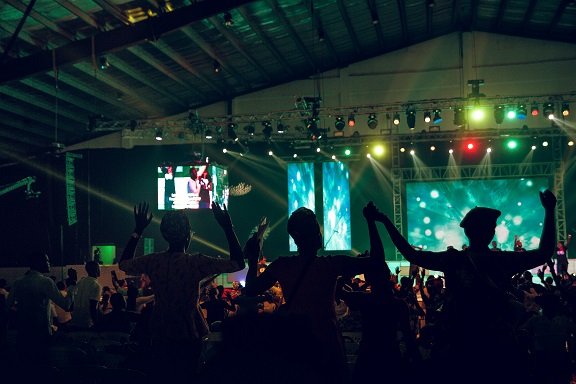
Entertainment events form a vital part of popular culture, serving as a platform for artistic expression, community engagement, and fan interaction. These events encompass a broad range of activities, including concerts, film festivals, award shows, and sporting competitions. What qualifies as an entertainment event goes beyond mere performances; it includes large gatherings that capture the imagination of audiences worldwide. The phenomenon of entertainment events has evolved significantly over the decades, reflecting changing tastes and societal values while simultaneously impacting global cultural trends.
The significance of these events cannot be overstated. They not only provide an opportunity for artists and performers to showcase their talents but also create memorable experiences for fans, often contributing to their sense of community and shared interest. Events like the Academy Awards or major music festivals draw millions of viewers, whether in person or through various media platforms, highlighting their ability to connect diverse audiences globally. They serve as gathering points where individuals can celebrate their shared passion for entertainment.
Furthermore, entertainment events often influence societal norms and dialogues. They can function as a reflection of current trends, challenges, and aspirations, thereby shaping cultural narratives over time. Whether it’s promoting inclusion through diverse casting or addressing pressing social issues through artistic expression, these events are instrumental in fostering important conversations.
In essence, major entertainment events are not just happenings on a calendar; they are significant cultural touchstones that unite fans from all walks of life. As we explore the various types of entertainment events that capture global attention each year, it becomes clear that they play a crucial role in the landscape of contemporary culture, bringing forth a rich tapestry of experiences that resonate with audiences around the world.
Annual Music Festivals: A Celebration of Sound and Community
Each year, music fans eagerly anticipate a variety of annual music festivals that celebrate sound, community, and culture. Events such as Coachella, Glastonbury, and Lollapalooza not only draw large crowds but also create unique atmospheres that highlight the diversity of musical talent. These festivals serve as a vital platform for both established artists and emerging talents from various genres.
Coachella, held in California, is known for its star-studded lineup and stunning desert scenery. It marks the start of the festival season and attracts music lovers from around the globe. Attendees can expect to see a mix of popular music acts alongside lesser-known performers, making it an ideal place for music discovery. The festival’s vibrant art installations and elaborate stage designs also contribute significantly to its creative atmosphere, providing fans with a total sensory experience beyond just the music.
On the other side of the Atlantic, Glastonbury in the United Kingdom is renowned for its eclectic lineup across multiple genres, including rock, pop, and electronic. The festival fosters a sense of community through its commitment to sustainability and social causes. Glastonbury supports various charitable initiatives, and this communal spirit resonates strongly with the festival-goers who embrace not only the music but also the shared values of togetherness and activism.
Lollapalooza, with its roots in Chicago, also exemplifies annual music festivals that celebrate sound and community. The event features a wide range of artists spanning different styles, ensuring there is something for every type of music enthusiast. The festival’s urban setting allows fans to immerse themselves in the vibrant culture of the city while enjoying live performances, food vendors, and interactive art installations.
Overall, these music festivals are not just events; they are significant cultural gatherings that provide platforms for artists and memorable experiences for fans. The anticipation for these festivals grows each year, highlighting their importance in the music landscape and the joy they bring to communities, both local and global.
Film Premieres and Award Shows: The Glamour of Hollywood
Film premieres and prestigious award shows, such as the Oscars, Cannes Film Festival, and Sundance, are events that resonate deeply within the entertainment industry and among fans worldwide. Each year, these glamorous occasions herald the arrival of highly anticipated films, attracting attention not only for their cinematic offerings but also for the sheer spectacle associated with them. The thrill of stepping onto the red carpet, dressed to the nines, generates excitement that transcends the screen, making it a significant part of popular culture.
One of the primary attractions of these events is the red carpet experience, where celebrities showcase their fashion choices and style. Fans eagerly follow these appearances, creating a sense of connection with their favorite stars. This moment of glitz and glamour allows for the celebration of artistry and individuality, elevating the event to a showcase of not just films but also of fashion and personal expression.
Moreover, the anticipation surrounding the nominees and winners adds a layer of suspense that captivates audiences. Awards are often seen as a validation of talent and hard work, and for many filmmakers, winning an accolade can be pivotal to a project’s success. A victory at these high-profile ceremonies can lead to increased visibility and box office success, dramatically influencing the film’s trajectory. This recognition can also propel careers to new heights, establishing actors, directors, and producers as household names.
In summation, film premieres and award shows encapsulate the excitement and glamour of the film industry. They provide fans with not only a glimpse into the world of filmmaking but also connect them to the faces they admire. The impact of these events extends beyond mere entertainment, playing a crucial role in shaping the film landscape and elevating the status of those involved within it.
Sporting Events: The Thrill of Competition
Sporting events represent a significant cultural phenomenon, drawing millions of viewers and participants from around the globe each year. Major events such as the Super Bowl, FIFA World Cup, and the Summer Olympics not only highlight the athletic prowess of individuals but also showcase the unifying power of sports. Fans eagerly anticipate these events, which serve as a stage for competition held in high regard. The Super Bowl, for instance, has transcended its origins as an American football championship to become a national holiday characterized by communal gatherings, extravagant halftime shows, and a sense of shared excitement.
Similarly, the FIFA World Cup stands as the pinnacle of international football, captivating billions of spectators. This event fosters a spirit of nationalism and camaraderie, as supporters unite to cheer for their nations on a global stage. The vibrant atmosphere, wrapped in national colors and traditions, creates lasting memories and connections among fans from diverse backgrounds. The festivities surrounding the event often involve cultural celebrations, parades, and local viewing parties, enhancing the overall experience.
Moreover, the Olympics epitomize the ideals of competition and unity across nations. Athletes from every corner of the world come together to demonstrate their dedication and talent, inviting admiration and respect. The Olympic Games promote a message of peace and friendship, emphasizing that competition extends beyond personal goals to foster connections among diverse communities. Each edition brings forth unique traditions, such as the Olympic torch relay and opening ceremonies, heightening anticipation and leaving a lasting legacy. In essence, major sporting events do not merely showcase athleticism; they embody shared emotions and experiences that bind fans together, creating a festive atmosphere that is eagerly awaited each year.