

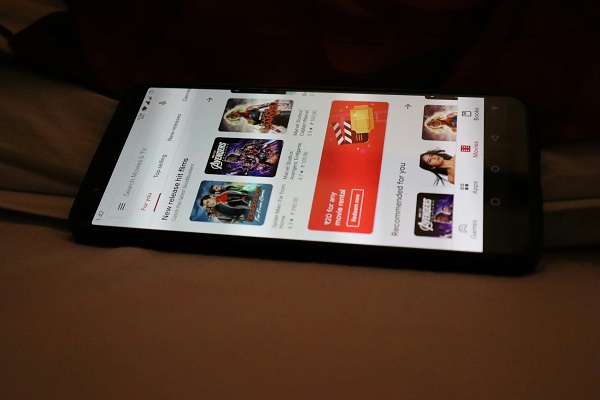
The landscape of entertainment has been transformed by streaming services, making it easier for viewers to access a plethora of content at their convenience. Prominent platforms such as Netflix, Hulu, and Disney+ offer a wide array of movies, television shows, and exclusive original programming that cater to diverse tastes and preferences. Netflix has established itself as a leader in the streaming industry, boasting a vast library that includes acclaimed series and films. The service operates on a subscription-based model with multiple pricing tiers, allowing users to select options based on their viewing habits. An added advantage of Netflix is its commitment to original content, which has garnered numerous awards and significant viewership. Hulu offers a distinctive proposition with both ad-supported and ad-free subscription plans. It provides access to current TV episodes from major networks soon after they air, along with a formidable collection of older content. Hulu’s unique feature, “Hulu Originals,” has also earned recognition, creating exclusive series that might appeal to various audiences.
Disney+, on the other hand, is synonymous with family-friendly entertainment. With a rich catalog derived from Disney’s extensive archives, Marvel, Star Wars, and National Geographic, the platform is designed to please viewers of all ages. The competitive pricing structure provides access to blockbuster titles that genuinely resonate with fans of these franchises.
To maximize their streaming experiences, users can take advantage of personalized recommendations based on viewing history and curated lists reflective of current trends. By leveraging these features, subscribers can discover hidden gems and explore content that aligns with their interests. Overall, streaming services have become indispensable tools for accessing unlimited entertainment, fundamentally changing how people consume media.
Gaming Apps: Play Anytime, Anywhere
The gaming apps market has grown significantly, offering an array of options that cater to diverse audiences and preferences. Whether you are a casual player seeking a quick distraction or a dedicated gamer engrossed in expansive universes, you can find games that suit your style on various platforms, including mobile devices and consoles.
Gaming apps can be broadly categorized into several genres, each offering unique experiences. Puzzle games, such as Candy Crush Saga and Monument Valley, are perfect for those looking for engaging yet straightforward gameplay. Action games like Call of Duty: Mobile and Fortnite attract players who enjoy fast-paced, competitive environments. For fans of storytelling and character development, role-playing games (RPGs) such as Genshin Impact and Final Fantasy XV Pocket Edition provide immersive experiences that can last hours.
As mobile gaming continues to evolve, developers are focusing on creating more sophisticated gameplay experiences. The rise of augmented reality (AR) games, exemplified by Pokémon GO, blurs the line between the virtual and real world, enhancing the excitement for players. Furthermore, the increasing popularity of subscription services is allowing gamers access to a broader library of games, eliminating the traditional pay-per-title model.
To discover new gaming apps, consider following social media platforms and gaming communities. Websites like Reddit and forums dedicated to specific genres are valuable resources for discovering trending titles and gaining insights from fellow gamers. Additionally, app stores often feature new releases and user reviews that can guide your download decisions.
Engaging with gaming communities not only provides recommendations for new games but also offers opportunities for camaraderie and shared experiences among players. As you delve into the world of gaming apps, these insights will enrich your gaming experience and help you find fun and enjoyment.
Music and Podcast Apps: The Soundtrack of Your Life
In the digital age, music and podcast apps have transformed the way we consume audio content. Platforms like Spotify, Apple Music, and Audible have become essential tools for music lovers and podcast enthusiasts, offering a plethora of features that enhance the listening experience. With the advent of personalized playlists, users can discover tailored soundtracks that resonate with their individual tastes, making the listening experience more engaging and entertaining.
These apps not only provide vast libraries of music and podcasts but also incorporate features such as offline listening. This capability allows users to download their favorite tracks and episodes for uninterrupted entertainment, even in areas with limited connectivity. For instance, Spotify’s offline mode enables users to enjoy music during travel or while commuting, ensuring that a constant soundtrack accompanies their daily routines.
The growth of exclusive content on these platforms has also played a significant role in attracting subscribers. Many artists release their latest albums or singles initially on specific streaming platforms, while podcasters often produce episodes that are available only to paying members. This exclusive content fosters a deep connection between creators and their audiences, keeping users engaged and coming back for more.
Moreover, the trends in music consumption and podcasting are evolving rapidly. With the rise of algorithm-driven recommendations, listeners can effortlessly discover new artists and topics aligned with their interests. This capability not only democratizes access to creative voices but also enriches the cultural landscape by bringing forward diverse genres and ideas. The integration of social sharing features further allows users to share their favorite finds with friends, amplifying the experience.
In conclusion, music and podcast apps have redefined audio content consumption, representing a key aspect of modern entertainment. As these platforms continue to innovate and grow, they will undoubtedly shape the future of how we experience sound.
Social Media and Entertainment Apps: Connecting and Sharing Fun
Social media platforms, such as TikTok, Instagram, and Snapchat, have transformed the landscape of entertainment by providing users with dynamic avenues for sharing and consuming content. These applications not only enable users to engage with creative trends but also foster a sense of community through interactive features and user engagement strategies. TikTok, for instance, has emerged as a hub for viral challenges, where users participate in themed content creation, bringing a unique flavor to entertainment. Its algorithm promotes accessibility, allowing creators to gain visibility rapidly.
Similarly, Instagram offers a visual playground for entertainment through its Stories and Reels features, which encourage users to showcase their creativity in concise formats. The interactive nature of Instagram allows for a robust sharing experience, enabling users to communicate through comments, likes, and direct messages. The ability to share moments instantly has not only changed how content is created but has also influenced broader entertainment trends as users feed off inspiration and challenge one another to elevate their creative output.
Snapchat embraces a different approach with its ephemeral content, allowing users to communicate through self-destructing images and videos, creating a sense of urgency and real-time interaction that feels personal. This format supports spontaneity and real connection, encouraging users to share authentic moments in their lives. However, the entertainment potential of these apps comes with responsibilities. It is vital for users to navigate privacy settings carefully to protect their information while sharing content.
In conclusion, social media entertainment apps provide an engaging platform for users to connect, create, and share, turning passive consumption into active interaction. Understanding how to use these platforms responsibly enhances the overall experience, allowing for a vibrant expression of creativity within a community-focused environment.