

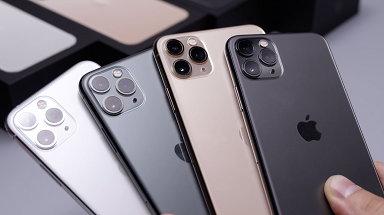
In recent years, the camera quality of smartphone photography has emerged as a critical factor influencing consumer purchasing decisions. As mobile photography has gained momentum, users increasingly prioritize the camera capabilities of their devices, which impacts the overall functionality and versatility of smartphones. High-quality camera systems not only enhance the user experience but also allow users to document personal memories and share them with others on social media platforms. The trend towards mobile photography can be attributed primarily to the ease of use provided by smartphones. Unlike traditional cameras, which often require a deeper understanding of photography techniques, smartphones are designed for quick and convenient use. Enhanced camera technologies, such as multiple lenses, advanced sensors, and artificial intelligence capabilities, enable users to capture images comparable to those taken by professional cameras. Consequently, many consumers have shifted their focus towards smartphones that offer superior camera functionalities.
Moreover, social media platforms like Instagram and Snapchat have fueled the demand for high-quality photography. Users seek smartphones that allow them to create striking visuals that resonate with their audiences, thereby driving manufacturers to invest heavily in camera technology. Factors such as low-light performance, image stabilization, and dynamic range have become crucial for smartphone cameras, as they significantly affect the quality of photographs. Consumers have come to expect not just decent photos, but exceptional imagery that can elevate their online presence.
Thus, it is evident that camera quality is no longer an afterthought for smartphone users; it has become a pivotal feature. For many, the ability to capture life’s moments in stunning detail directly influences their choice of device. As technology advances, the expectation for camera quality in smartphones will continue to grow, encouraging manufacturers to innovate and enhance their offerings.
Factors to Consider for Smartphone Camera Quality
Smartphone camera quality is significantly influenced by several key specifications and features, which play an integral role in determining how well a smartphone captures images. Understanding these factors is crucial for consumers who prioritize photography in their device selection.
One of the first specifications to consider is the megapixel count. While higher megapixels can result in more detailed images, they are not the sole determinant of image quality. A smartphone with a 12-megapixel camera can deliver better results than a 48-megapixel counterpart if it employs superior sensor technology and image processing capabilities. Moreover, the sensor size tends to matter as well; larger sensors can gather more light, enhancing performance in low-light conditions.
Aperture size is another vital aspect to take into account. Expressed in f-numbers, a lower f-number indicates a wider aperture, allowing more light to enter the camera. This feature markedly benefits photography in challenging lighting settings. A lens’s construction also impacts image quality. High-quality lenses minimize distortion and aberration, which is essential for capturing sharp, clear images.
Image processing software, often overlooked, is critical in smartphone photography. This software affects how images are rendered, improving factors such as color accuracy, dynamic range, and noise reduction. Many leading smartphone manufacturers invest heavily in software development to enhance their cameras, thus playing a significant role in producing outstanding images.
In summary, the quality of smartphone cameras cannot be attributed solely to megapixels. Factors such as aperture size, lens quality, sensor dimensions, and robust image processing software collectively determine how well a smartphone performs in capturing high-quality photographs. Prospective buyers should carefully evaluate these specifications to choose a device that meets their photography needs.
Top Smartphones for Photography Enthusiasts
In today’s market, several smartphones stand out for their exceptional camera quality, catering to photography enthusiasts who seek to capture stunning images. Among these top contenders, the Apple iPhone 14 Pro offers an impressive triple-camera system, featuring a 48MP main sensor that excels in low-light conditions. Its computational photography capabilities allow for enhanced detail and color accuracy in every shot, making it a favorite among professionals and amateurs alike.
Another notable option is the Samsung Galaxy S22 Ultra, renowned for its versatile camera setup that includes a 108MP lens and multiple telephoto options. This smartphone enables users to achieve magnificent zoom capabilities while maintaining clarity, even from significant distances. Additionally, the advanced software integration further elevates the quality of photos, applying AI enhancements to ensure the best possible results.
For those who prefer a more budget-friendly choice, the Google Pixel 7 remains a top contender, thanks to its exceptional photography capabilities powered by Google’s advanced image processing algorithms. The 50MP primary camera delivers remarkable detail and vibrant colors, complemented by the famous Night Sight mode for breathtaking nighttime photography. Its simplicity and ease of use make it an optimal choice for those who prioritize performance over extensive manual settings.
Lastly, the Xiaomi Mi 12 Pro has gained attention with its robust 50MP triple-camera system. This device features an ultra-wide lens that enhances landscape shots, while its advanced portrait mode creates stunning images with bokeh effects. The smartphone’s powerful hardware and software combination ensure high-quality output, making it a compelling choice for photography enthusiasts.
Comparison of Camera Features Across Selected Smartphones
As the demand for high-quality photography continues to grow, smartphone manufacturers have made significant advancements in camera technology. In this section, we will examine the camera specifications of some of the best smartphones currently available on the market such as the iPhone 14 Pro, Samsung Galaxy S22 Ultra, and Google Pixel 7 Pro. By comparing these features, we can better understand the capabilities each device offers for photography enthusiasts.
The iPhone 14 Pro features a triple-camera system with a 48 MP main sensor, a 12 MP ultra-wide camera, and a 12 MP telephoto lens. This combination allows for excellent low-light performance and high-resolution photos. One of the standout features of the iPhone’s camera is the Photonic Engine, which enhances image processing for amazing detail and color accuracy in photographs.
On the other hand, the Samsung Galaxy S22 Ultra boasts a 108 MP primary camera with enhanced zoom capabilities, incorporating a 10 MP periscope lens that offers 10x optical zoom. It also includes a 12 MP ultra-wide camera. The processing engine behind Samsung’s camera excels in dynamic range, making it suitable for various lighting conditions. Users often appreciate the vivid colors and depth achieved in the images from this device.
Lastly, the Google Pixel 7 Pro stands out with its reliance on computational photography. It features a triple-camera setup, including a 50 MP wide lens, a 12 MP ultra-wide lens, and a 48 MP telephoto lens. Google’s software optimizations produce stunning images with impressive detail, vibrant colors, and excellent portrait modes, catering to users looking for simplicity and quality.
By analyzing sample photos taken with each smartphone, users can see that while all three devices offer exceptional camera quality, the choice largely depends on personal preferences for color reproduction, ease of use, and specific photographic needs. Each smartphone excels in different areas, providing users the opportunity to choose based on their own photography style.
User Reviews and Expert Opinions on Smartphone Cameras
When it comes to smartphone cameras, both users and experts have become increasingly vocal about their experiences and evaluations, shedding light on what truly matters in mobile photography. Real-world user reviews often highlight the practical aspects of smartphone cameras. Many users appreciate features such as low-light performance, ease of use, and the quality of images produced in everyday scenarios. For instance, a popular sentiment among casual users is that a smartphone should deliver impressive photographs without requiring complex settings or extensive photography knowledge.
Expert opinions add a layer of technical assessment that complements these user experiences. Photography professionals and technology reviewers often scrutinize aspects such as the sensor quality, lens performance, and software algorithms that enhance image processing. For example, they may analyze how well a smartphone handles dynamic range or color accuracy in challenging lighting conditions, offering insights that can be pivotal for those who seek precision in their photography.
Several flagship smartphones frequently garner praise from both camps. Users rave about their consistent performance in diverse environments, while experts commend their innovative technologies like dual-lens systems or advanced AI capabilities that refine image quality. However, despite the general consensus on certain models, personal preference plays a significant role. Some users might prioritize video quality over still photography, leading them to favor different smartphones compared to those who focus on capturing landscapes or portraits.
Ultimately, the reviews from everyday users, coupled with expert analysis, create a comprehensive view of what makes a smartphone camera exceptional. As technological advancements continue, the dialogue surrounding smartphone camera performance will likely evolve, reflecting both evolving user needs and advancements in camera technology.
The Role of Software in Enhancing Camera Performance
The advancement of smartphone photography is not solely dependent on hardware improvements; in fact, software innovations play a pivotal role in amplifying camera performance. Features like High Dynamic Range (HDR), night mode, and artificial intelligence (AI) enhancements have revolutionized the way we capture images on mobile devices. These software-based tools have become essential, allowing smartphones to compete with professional cameras, and providing users with extraordinary photography experiences.
HDR technology enables smartphones to combine multiple exposure levels creating images that capture a broader spectrum of light and shadow. This feature is particularly beneficial in challenging lighting conditions, such as backlit scenes or areas with stark contrasts. By balancing the exposure, smartphones can produce photos that are not only vivid but also more representative of what the human eye perceives.
Night mode is another significant software feature that has transformed low-light photography. It typically incorporates long exposure techniques along with advanced noise reduction algorithms. With these enhancements, smartphones are able to illuminate scenes that would otherwise appear too dark, resulting in clearer and more detailed images, even in minimal lighting conditions. This capability allows users to explore nocturnal environments without sacrificing quality.
Artificial intelligence further elevates smartphone photography by intelligently recognizing scenes and automatically adjusting settings to optimize image capture. AI can identify various subjects, such as landscapes, portraits, or food, and apply specific enhancements tailored to those categories. This means users can achieve remarkable results without deep photographic knowledge or extensive manual adjustments.
In summary, software advancements have become integral to enhancing camera performance in modern smartphones. As these features continue to evolve, they will undoubtedly shape the future of mobile photography, making high-quality imaging accessible to everyone.
Tips for Maximizing Your Smartphone’s Camera Potential
To enhance your photography experience using smartphones, understanding composition, lighting, and editing apps is essential. One of the primary aspects of photography is composition. Following the rule of thirds can significantly improve your shots. This rule suggests dividing your frame into a 3×3 grid and positioning the main subject along the lines or at their intersections. Experimenting with various angles and perspectives can add depth and interest to your photos, encouraging a creative approach to smartphone photography.
Lighting plays a crucial role in photography quality. Utilizing natural light effectively can elevate smartphone images. It is advisable to capture your photos during the golden hour, shortly after sunrise or before sunset, when the light is soft. If you’re shooting indoors or in low-light conditions, consider using a steady surface to avoid camera shake, and adjust the ISO settings on your smartphone camera if available. Additionally, avoiding direct sunlight helps eliminate harsh shadows and glare, resulting in clearer images.
Editing apps are invaluable for getting the most out of your smartphone’s camera. Numerous applications are available, offering a wide range of features for photo enhancement. Some popular options include Adobe Lightroom, Snapseed, and VSCO. These tools allow for adjustments in brightness, contrast, saturation, and cropping, which can take your images from ordinary to extraordinary. Learning to use these tools effectively can significantly impact the final presentation of your photos.
Utilizing these tips can maximize your smartphone’s camera potential, leading to high-quality photographs that stand out. Moreover, practice plays a pivotal role; continually experimenting with different techniques and styles will foster improvement and confidence in your photography endeavors.
Upcoming Trends in Smartphone Camera Technology
The landscape of smartphone camera technology is continuously evolving, driven by rapid advancements in both software and hardware. One of the most significant trends on the horizon is the growing influence of computational photography. This innovative approach uses advanced algorithms and machine learning to enhance image quality beyond traditional optical limits. By leveraging computational methods, smartphones are expected to capture better low-light images, improve dynamic range, and provide more accurate colors.
Another critical development is the integration of larger and more sophisticated camera sensors. Future smartphones are anticipated to adopt sensors that capture more light, allowing for clearer and sharper images. This trend is likely to be complemented by improvements in lens design and multi-lens systems, which provide various focal lengths and functionalities. These advancements will offer users more creative flexibility, enabling them to take stunning photographs in diverse environments.
Furthermore, manufacturers are exploring technologies such as periscope lenses, which enable optical zoom without compromising the device’s sleek design. This trend is paving the way for smartphones capable of achieving higher zoom levels while maintaining image clarity. In addition, augmented reality (AR) capabilities are becoming increasingly popular, leading to innovative uses of smartphone cameras that blend digital objects with real-world environments. Such applications not only enhance photography but also transform how users interact with their devices.
The ongoing investment in artificial intelligence (AI) also plays a crucial role in the evolution of smartphone cameras. AI-driven features like scene recognition, smart adjustments, and automated editing promise to streamline the photography process, making it more accessible for users of all skill levels. As these trends continue to develop, the smartphone camera experience is set to reach new heights, catering to both amateur photographers and professional content creators alike.
Conclusion: Choosing the Right Smartphone for Your Photography Needs
In the current era, smartphones have evolved into powerful tools for capturing stunning photographs, making the selection of the right device significant for photography enthusiasts. As discussed, various models offer unique camera specifications and features designed to cater to various shooting styles, from simple snapshots to professional-grade photography. Identifying your specific photography needs is crucial; whether you prioritize low-light performance, optical zoom, or advanced features such as night mode and portrait enhancements, understanding your personal requirements will guide you to the best options.
When assessing smartphones based on camera quality, paying attention to factors such as sensor size, aperture, and software enhancements is essential. Additionally, consider how often you will utilize the camera and in what environments. A smartphone with waterproof capabilities and vibration reduction can be vital for outdoor adventures, while devices with superior editing software and color accuracy may appeal to those who enjoy post-processing their images.
Ultimately, there is no one-size-fits-all solution. The ideal smartphone for photography blends the best camera technology with functionality and user comfort aligned with your photographic ambitions. By evaluating your priorities and understanding how different smartphone cameras can fulfill them, you can make a well-informed decision that enhances your photographic journey. Emphasizing your individual photography needs will ensure that the smartphone you select not only meets your expectations but also inspires creativity and confidence while shooting.