
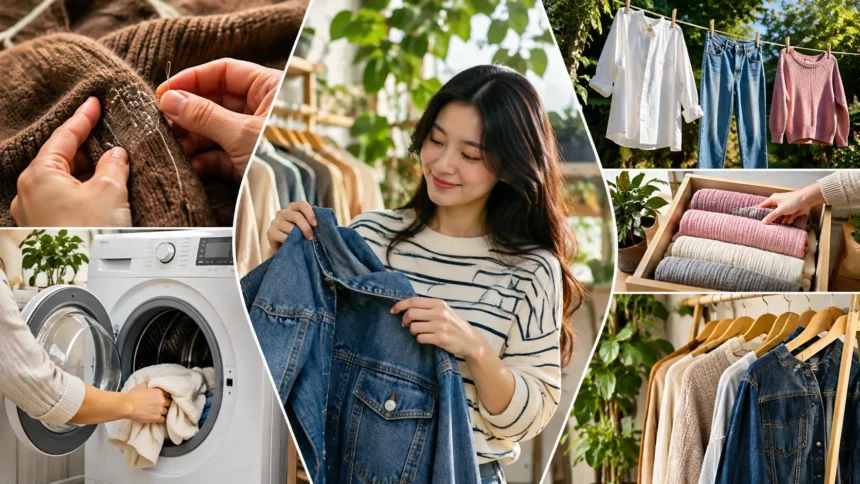
Clothes are an important part of everyday life, but frequent washing, improper storage, and daily wear can gradually damage their quality. Many garments lose their original appearance because of fading, shrinking, stretching, or weakened fabric fibers. Learning how to extend clothing life can help you maintain your favorite outfits and reduce unnecessary replacements. Simple clothing care habits can make a noticeable difference over time.
Keeping clothes in good condition does not require expensive products or complicated routines. Small changes, such as washing garments correctly, repairing minor damage, and choosing suitable storage methods, can help preserve their appearance. These habits also support a more practical and sustainable wardrobe. This guide explains easy clothing maintenance tips, common mistakes, and useful examples for making garments last longer.
Why Extending Clothing Life Matters
Extending clothing life means keeping garments wearable, comfortable, and in good condition for as long as reasonably possible. Clothing naturally experiences wear through movement, washing, and exposure to different environments. However, unnecessary damage can often be prevented through suitable care. Understanding how everyday habits affect fabrics is the first step toward protecting your wardrobe.
Longer-lasting clothing can reduce the need to replace garments frequently, which may help save money. A well-maintained jacket, pair of jeans, or everyday shirt can remain useful across multiple seasons. Instead of purchasing replacements whenever minor problems appear, simple maintenance may restore an item’s usefulness. This encourages more thoughtful decisions about clothing purchases and ownership.
Clothing longevity also connects with sustainable fashion and responsible consumption. Producing new garments requires materials, manufacturing processes, energy, and transportation. Keeping existing clothes in use can reduce demand for replacements when those purchases are genuinely avoided. By caring for garments properly, individuals can support more practical wardrobe habits while reducing unnecessary textile waste.
Understand Fabric Types Before Washing Clothes
Different fabrics respond differently to washing, drying, heat, and everyday movement. Cotton, polyester, wool, linen, and silk each have specific characteristics that influence their care requirements. For example, some cotton garments may shrink when exposed to excessive heat. Understanding fabric properties helps you select cleaning methods that protect the material.
Natural fibers such as wool and silk often require more careful handling than many everyday synthetic fabrics. Wool may shrink or become misshapen when washed incorrectly, while delicate silk can be affected by unsuitable detergents. Linen commonly wrinkles and may need careful drying to maintain its appearance. Always consider the garment’s construction and care label rather than assuming every fabric behaves identically.
Blended fabrics combine different fibers to achieve particular qualities, including comfort, durability, or flexibility. A cotton-polyester shirt may require different care from a pure cotton garment. Stretch fabrics containing elastane can lose elasticity when exposed to excessive heat. Checking fiber composition and care instructions helps prevent avoidable damage and supports better long-term garment maintenance.
Read Clothing Care Labels Carefully
Care labels provide useful instructions for washing, drying, ironing, and professional cleaning. Manufacturers include symbols and written guidance based on garment materials and construction. Following these instructions can reduce the risk of shrinking, color fading, and fabric damage. Before washing unfamiliar clothing, take a moment to check the recommended care method.
Common care symbols indicate suitable washing temperatures, drying restrictions, and ironing conditions. A crossed-out tumble dryer symbol means the garment should not be tumble dried. Other symbols may recommend gentle washing or prohibit certain cleaning methods. Learning these basic instructions makes laundry decisions easier and helps prevent mistakes that can damage clothing.
If a garment has no readable care label, use additional caution. Identify the fabric when possible and consider the item’s structure, decorative details, and color stability. Delicate or valuable pieces may benefit from professional cleaning advice. When uncertain, avoid aggressive washing, high temperatures, and strong cleaning products until you understand the material’s requirements.
Wash Clothes Only When Necessary
One of the easiest ways to extend clothing life is to avoid unnecessary washing. Every wash cycle exposes garments to water, detergent, friction, and movement. Over time, repeated laundering can contribute to fading, pilling, and fiber wear. Washing clothes according to their actual condition helps reduce avoidable stress on fabrics.
Not every garment requires washing after a single wear. Jackets, jeans, and some outer layers may remain suitable for additional use when they are clean and odor-free. However, underwear, socks, sweaty clothing, and visibly soiled items generally need more frequent cleaning. Hygiene, weather conditions, and personal activities should guide washing decisions.
Between washes, allow suitable garments to air out in a clean, ventilated space. This may help reduce trapped odors and moisture without requiring a full wash. Small marks can sometimes be treated through appropriate spot cleaning. These simple practices can reduce laundry loads while keeping clothing fresh and ready for everyday use.
Use the Right Water Temperature for Laundry
Water temperature influences how fabrics respond during washing. Excessively hot water can cause certain garments to shrink, fade, or lose their original shape. Many everyday clothes can be cleaned effectively using cool or cold water with suitable detergent. However, the best temperature depends on fabric type, soil level, and hygiene requirements.
Cold-water washing is often useful for dark clothing, delicate fabrics, and garments prone to shrinking. It can also reduce the energy required to heat water during laundry. Warm water may be appropriate for some heavily soiled garments when their care labels permit it. Always balance fabric protection with the cleaning needs of each laundry load.
For example, a dark cotton T-shirt may retain its color better when washed in cool water. A delicate blouse might require a gentle cycle and a lower temperature. Certain household textiles may need warmer washing for hygiene when their care instructions allow it. Matching temperature to the garment helps achieve effective cleaning without unnecessary damage.
Choose Gentle Detergents and Avoid Excessive Products
Laundry detergent removes dirt, oils, and unwanted odors from clothing. However, using more detergent than necessary does not automatically improve cleaning results. Excessive product can leave residue on garments and inside washing machines. Following the recommended dosage helps maintain fabric cleanliness and reduces unnecessary chemical buildup.
Different garments may benefit from different detergent formulations. Mild products designed for delicate fabrics can be useful for certain sensitive materials. Wool and silk may require specialized detergents that suit their fiber properties. Check the detergent instructions alongside garment care labels before selecting a product for valuable or delicate clothing.
Fabric softeners, bleach, and stain removers should also be used carefully. Some products can affect garment finishes, elasticity, absorbency, or color when used incorrectly. For example, certain softeners may reduce the performance of moisture-wicking sportswear. Using only suitable products helps protect fabric function and maintain clothing quality over repeated washes.
Sort Laundry to Prevent Color Fading and Damage
Sorting clothes before washing helps protect colors and reduce unwanted fabric friction. Dark garments can sometimes release dye, especially during early washes. Washing them separately from light-colored items reduces the risk of color transfer. Separating clothing by fabric type can also help protect delicate garments from heavier materials.
Heavy jeans, towels, and garments with metal fastenings may create more friction during washing. Delicate blouses, lightweight knitwear, and soft fabrics can be damaged when mixed with rough items. Organizing laundry into suitable groups helps reduce unnecessary wear. Closing zippers and securing fastenings can provide additional protection during the cleaning process.
Turning certain garments inside out is another useful clothing care technique. This can help reduce visible surface friction on printed shirts, dark trousers, and decorated fabrics. Washing mesh bags are useful for some delicate items when machine washing is permitted. Combining thoughtful sorting with suitable wash settings helps maintain garment appearance.
Avoid Overloading the Washing Machine
Overloading a washing machine can interfere with proper cleaning and rinsing. Clothes need enough space to move according to the machine’s design and selected cycle. When the drum is excessively full, garments may experience uneven cleaning or unnecessary compression. Following the manufacturer’s load recommendations helps support better washing performance.
A balanced laundry load also allows detergent and water to circulate more effectively. This can reduce the chance of detergent residue remaining on clothing. Different fabrics and wash programs may require different load sizes. Delicate cycles often work best with smaller loads, so checking machine guidance is important.
Avoiding overloaded cycles does not mean running the machine with only a few items unnecessarily. Instead, group compatible garments and choose a suitable load size. For example, lightweight shirts may wash comfortably together, while bulky bedding needs additional space. Balanced laundry habits help protect garments while supporting efficient household routines.
Air Dry Clothes Whenever Appropriate
Drying methods can significantly influence clothing condition. High temperatures and mechanical movement may contribute to shrinking, fabric wear, and loss of elasticity. Air drying is often a gentler option for suitable garments. It can also reduce electricity use compared with heated tumble drying, depending on the drying equipment and conditions.
When air drying clothes, choose a clean space with adequate ventilation. Hanging shirts on suitable hangers can help maintain their shape, while some heavy knitwear should dry flat. Direct sunlight may cause fading in certain fabrics when exposure is prolonged. Following garment care instructions helps you choose the most appropriate drying method.
If tumble drying is necessary, select a temperature and cycle suitable for the fabric. Remove garments when properly dry to avoid unnecessary additional heat exposure. Avoid using a heated dryer for items whose labels prohibit tumble drying. These habits help preserve fabric texture, color, and fit while making routine laundry more manageable.
Store Clothes Properly to Maintain Their Shape
Proper clothing storage reduces unnecessary stretching, wrinkles, and fabric damage. Different garments require different storage methods depending on their weight and construction. Shirts, jackets, and structured clothing may benefit from suitable hangers. Heavy sweaters and delicate knitwear often maintain their shape better when folded neatly.
Avoid overcrowding wardrobes because tightly packed clothing can become excessively creased or difficult to access. Allow enough room for garments to hang without constant pressure from surrounding items. Store seasonal clothing in clean, dry conditions to reduce the risk of moisture-related problems. Suitable containers can help protect garments that are not worn regularly.
Storage areas should also remain reasonably clean and protected from pests. Check clothing before putting it away for long periods, especially if garments have been worn recently. Avoid storing damp clothes because trapped moisture can encourage unpleasant odors and mold growth. A simple organization system makes clothing easier to find and maintain.
Repair Small Clothing Problems Before They Get Worse
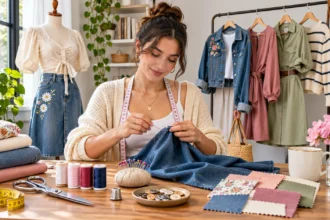
Small clothing problems are often easier to fix before they become serious. Loose buttons, minor seam openings, and small tears do not always mean a garment needs replacing. Learning basic clothing repair skills can help restore useful items quickly. A few simple repairs may extend the life of garments that would otherwise remain unworn.
For example, replacing a missing shirt button generally requires only basic sewing supplies and a little patience. Loose hems can sometimes be repaired with suitable stitching. Small fabric tears may be patched or professionally mended depending on their location and material. Addressing these issues early can prevent additional damage during normal wear or washing.
Professional alteration services offer another option when repairs require more experience. Tailors may adjust garment fit, replace zippers, or reinforce damaged seams. Before deciding, compare repair costs with the garment’s usefulness and replacement options. Repairing clothing is particularly worthwhile when an item fits comfortably and remains important to your wardrobe.
Remove Stains Without Damaging Fabric
Treating stains correctly can help prevent permanent discoloration and unnecessary garment replacement. Different stains respond to different cleaning methods, so identifying the source is useful. Food, oil, ink, and makeup marks may require different treatments. Always consider the fabric and care instructions before applying a stain remover.
When a spill occurs, gently blot excess liquid with a clean cloth rather than rubbing aggressively. Rubbing can spread certain stains or damage delicate fibers. Test unfamiliar cleaning products on a hidden area if the garment instructions permit it. Avoid applying excessive heat before the stain is removed because some stains become harder to treat.
For example, a small food stain may respond to prompt treatment with an appropriate laundry product. Delicate fabrics may need specialized cleaning or professional attention instead of household remedies. Always follow product safety directions and avoid mixing cleaning chemicals. Careful stain removal helps preserve clothing without creating additional damage.
Protect Clothes From Pilling and Fabric Wear
Pilling occurs when loose fibers form small balls on a garment’s surface. It commonly appears in areas exposed to repeated friction, such as sleeves, underarms, and sides. Some fabrics are naturally more prone to pilling than others. Understanding this process helps you manage fabric appearance without assuming every affected garment is permanently damaged.
Gentle washing methods can reduce some unnecessary friction during laundry. Turning suitable garments inside out and separating delicate items from rough fabrics may help. Avoiding excessive dryer heat can also support better fabric care. These precautions do not eliminate all pilling, but they may reduce avoidable surface wear.
Existing pills can sometimes be removed with a suitable fabric comb or clothing shaver. Use these tools carefully because aggressive treatment may damage the material. Delicate or loosely knitted garments require particular attention. Removing surface pills appropriately can refresh the appearance of clothing and make older garments feel more presentable.
Rotate Your Outfits to Reduce Everyday Wear
Wearing the same garments repeatedly without adequate care can concentrate wear in specific areas. Shoes, trousers, and frequently used outerwear may benefit from occasional rotation when alternatives are available. Giving suitable items time to air out between uses can also help manage moisture. Rotation is particularly useful for clothing exposed to regular physical activity.
A practical wardrobe does not need a large number of items to support outfit rotation. A few versatile shirts, trousers, and layering pieces can create different combinations. Choosing clothes that work together makes it easier to alternate between garments. This approach helps distribute everyday use without encouraging unnecessary shopping.
For example, two pairs of comfortable everyday trousers can be worn on alternating days when appropriate. Different tops and outer layers can create variety without requiring complete outfit changes. Regularly checking frequently worn items for damage also helps identify repair needs. Thoughtful outfit planning supports clothing longevity and everyday convenience.
Buy Better-Quality Clothes That Last Longer
Extending clothing life begins with making thoughtful purchasing decisions. Clothing quality depends on factors such as fabric, stitching, construction, and suitability for its intended use. Higher prices do not always guarantee better quality, so inspecting garments is important. Choosing practical, well-made clothing can reduce the likelihood of frequent replacements.
When shopping, examine seams, fastenings, fabric texture, and overall construction. Check whether the garment feels comfortable and allows suitable movement. Consider whether it can be washed and maintained using methods available to you. Clothing that requires impractical care may be difficult to keep in regular use.
Secondhand shopping can also provide opportunities to discover durable garments at different prices. Pre-owned jackets, denim, and knitwear may offer good value when their condition remains suitable. However, inspect signs of damage and consider cleaning or repair requirements. Choosing clothing for usefulness and longevity supports a more intentional wardrobe.
Common Clothing Care Mistakes to Avoid
Several everyday habits can shorten clothing life without being immediately noticeable. Washing everything on the hottest setting, using unsuitable detergents, and ignoring care labels can contribute to unnecessary damage. Overloading machines and drying delicate garments incorrectly may also affect fabric quality. Recognizing these mistakes makes clothing maintenance more manageable.
Another common mistake is ignoring minor garment problems until they become difficult to repair. Loose stitching, damaged buttons, and small tears may worsen through repeated wear. Regularly checking frequently used clothing helps identify issues early. Simple maintenance can often preserve an otherwise comfortable and useful garment.
Poor storage and excessive purchasing can also create clothing management problems. Overcrowded wardrobes make garments harder to organize and may contribute to wrinkles or damage. Buying clothes without considering existing wardrobe needs can lead to items remaining unused. A thoughtful approach to purchasing, cleaning, and storage helps clothing stay useful longer.
Conclusion
Learning how to extend clothing life involves understanding fabrics, improving laundry habits, and maintaining garments regularly. Washing clothes only when necessary, choosing appropriate temperatures, and using suitable drying methods can reduce avoidable damage. Proper storage and timely repairs also help preserve garment appearance. These practical habits are easy to introduce gradually.
Longer-lasting clothing can support financial savings and more thoughtful consumption. Instead of replacing garments whenever small problems appear, consider whether cleaning, alterations, or repairs could restore their usefulness. Buying suitable, well-made clothing also contributes to better wardrobe planning. The goal is to maintain garments effectively rather than following complicated care routines.
Start with simple changes that fit your daily schedule and available resources. Read care labels, organize laundry carefully, inspect clothing regularly, and repair minor problems when practical. Over time, these habits can help favorite garments remain comfortable and wearable. A well-maintained wardrobe offers lasting value while reducing unnecessary clothing waste.
Frequently Asked Questions (FAQs)
What is the best way to extend clothing life?
The best approach combines proper washing, gentle drying, suitable storage, and timely repairs. Follow garment care labels, avoid unnecessary laundry cycles, and treat stains promptly to help preserve fabric quality.
Does washing clothes less often make them last longer?
Washing clothes only when necessary can reduce friction, fading, and fiber wear. However, garments should still be cleaned according to hygiene needs, visible dirt, odors, and their specific care instructions.
Is air drying better than tumble drying for clothes?
Air drying is often gentler for suitable fabrics because it avoids heated dryer exposure and mechanical movement. However, the best drying method depends on the garment’s materials, construction, and care label.
How can I prevent clothes from fading?
Wash suitable colored garments in cool water, turn them inside out when appropriate, and use compatible detergents. Avoid unnecessary washing and prolonged direct sunlight exposure when drying fabrics prone to fading.
Can repairing old clothes help reduce textile waste?
Yes, repairing wearable garments can extend their useful life and reduce the need for replacement purchases. Fixing buttons, seams, and small tears helps keep existing clothing in circulation for longer.