

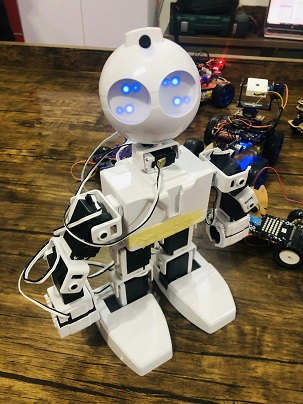
Robotics is a dynamic and rapidly evolving field of technology that focuses on the design, construction, operation, and robotics applications. These machines are often equipped with sensors, actuators, and advanced algorithms that allow them to perform complex tasks autonomously or semi-autonomously. As robotics gains momentum, its applications span across various industries, fundamentally transforming the way we live and work. In the manufacturing sector, robotics has become a cornerstone of productivity. Automated robotic systems perform repetitive tasks with high precision, such as assembling components, welding, and packaging. The integration of robotics in factories not only enhances efficiency but also minimizes human error and reduces operational costs, allowing companies to scale their production processes more effectively.
Healthcare is another domain where robotics has made significant inroads. Surgical robots assist physicians in performing intricate procedures with enhanced dexterity and control. Additionally, robotic systems are employed in rehabilitation, enabling patients to regain mobility through tailored therapy programs. These innovations lead to improved patient outcomes and increase the quality of healthcare delivered.
Moreover, consumer services are witnessing the emergence of robotics in everyday applications. From household tasks, such as vacuum cleaning and lawn mowing, to customer service robots in retail environments, these technologies are designed to assist and enhance the consumer experience. The prevalence of service robots in our homes and cities illustrates how robotics projects its presence into the lives of everyday individuals, streamlining tasks and providing assistance.
Overall, the integration of robotics in various industries not only signifies progress but also sets the stage for future advancements. As we explore the potential of robotics further, understanding its current applications provides insight into its impact on our daily lives and the innovations on the horizon.
Technological Advancements Driving the Future of Robotics
The evolution of robotics is significantly influenced by a range of technological advancements. Notably, artificial intelligence (AI) plays a pivotal role in enabling robots to perform tasks with increased autonomy and efficiency. Through machine learning algorithms, robots can analyze copious amounts of data to identify patterns and make informed decisions. This capacity greatly enhances the robots’ functionality, allowing them to adapt to various environments and complete complex tasks that were previously impractical.
Another key advancement is the development of sophisticated sensors. These sensors are integral to modern robotics, as they facilitate real-time data collection, which is essential for robots to accurately interact with their surroundings. Whether it’s tactile sensors that allow robots to gauge pressure or proximity sensors that help them detect obstacles, these innovations augment the robots’ ability to function in dynamic environments safely. The integration of these sensors into robotic systems enables seamless operation in human-centric spaces, enhancing the safety and efficiency of interactions.
Furthermore, computer vision technology stands out as a crucial element in the robotics landscape. This advancement allows robots to interpret and understand visual information from the world around them. With enhanced computer vision capabilities, robots can recognize objects, navigate through complex terrains, and even identify human emotions or intentions, making them more adept at working alongside humans. This synergy between human operators and robotic systems fosters a more intuitive working environment.
In conclusion, the convergence of AI, machine learning, sensors, and computer vision is fundamentally transforming the capabilities of robots. The prospects for the future of robotics are dramatically expanding, paving the way for intelligent machines that will seamlessly integrate into everyday life, enhancing productivity and improving quality of life for society as a whole.
Expected Developments in Home Robotics
The field of home robotics is poised for remarkable advancements that promise to revolutionize the way we manage our daily lives. As technology continues to evolve, we can expect a new generation of smart home robots designed to make household tasks more efficient and less time-consuming.
One primary area of development is the integration of artificial intelligence (AI) into home robots, enabling them to learn from user behavior and preferences. This will enhance interaction significantly, allowing robots to anticipate needs and provide personalized assistance. For instance, smart home robots could help with routine household chores such as vacuuming, lawn mowing, or even grocery shopping, thereby freeing up valuable time for residents.
Furthermore, kitchen assistants powered by advanced robotics are set to become essential appliances in modern households. These robots will not only assist in meal preparation by chopping, mixing, and cooking but also manage inventory and suggest recipes based on available ingredients. Such capabilities can promote healthier eating habits and reduce food waste, contributing to overall sustainability efforts.
In addition to smart home robots and kitchen assistants, personal care robots are expected to become a staple for individuals requiring assistance with daily activities, particularly the elderly or those with disabilities. These robots can offer support in tasks such as medication reminders, mobility assistance, and emotional companionship, thereby enhancing overall quality of life.
In summary, the anticipated developments in home robotics represent a significant shift towards more interconnected and user-friendly solutions in our living environments. As innovation continues to unfold, these advanced technologies will undoubtedly reshape the domestic landscape, making homes not just more functional but also more supportive and enjoyable spaces to inhabit.
Robotics in Healthcare: Revolutionizing Patient Care
The integration of robotics into the healthcare sector is poised to significantly transform patient care, introducing various innovations that enhance clinical outcomes and operational efficiency. One of the most prominent applications of robotics in healthcare is robotic surgery, which utilizes advanced systems to assist surgeons in performing complex procedures with increased precision. These robotic-assisted surgeries minimize incisions, reduce recovery times, and often lead to better patient outcomes due to enhanced visibility and control during operations.
Moreover, assistive robots are emerging as valuable allies in patient care and rehabilitation. These robots engage with patients in diverse ways, from robotic exoskeletons that aid physical rehabilitation to robotic companions that provide emotional support and companionship to the elderly. By facilitating mobility and improving the quality of life for patients, these technologies are paving the way for a more responsive and personalized healthcare experience.
Despite these advancements, the integration of robotics into healthcare does not come without its challenges. Ethical considerations are paramount, particularly concerning patient privacy, consent, and the potential implications of relying on machines for critical care decisions. It is essential for healthcare providers to navigate these ethical dilemmas thoughtfully, ensuring that the deployment of robotics enhances the human aspect of care rather than diminishes it.
Furthermore, the successful incorporation of robots into healthcare systems requires thoughtful strategies for training medical professionals, adjusting workflows, and ensuring interoperability with existing medical technologies. As robotics continue to evolve, addressing these challenges will be crucial for maximizing benefits and improving patient care. Overall, as we progress into an era where robotics play an increasingly significant role in healthcare, the potential for innovation is vast, with the promise of improved efficiency and enhanced patient outcomes at the forefront of this transformation.
Autonomous Transportation: The Robotics of Tomorrow
The rapid advancements in robotics have significantly transformed the transportation sector, introducing innovations such as self-driving cars, drones, and smart public transport systems. These technologies promise to redefine how we navigate urban environments, enhancing safety, efficiency, and environmental sustainability. Autonomous vehicles, equipped with advanced sensors and artificial intelligence, are engineered to analyze and respond to real-time data, enabling them to operate without human intervention.
The implementation of self-driving cars has the potential to drastically reduce accidents caused by human error, which constitutes a major portion of road incidents. Studies indicate that robotic vehicles can offer enhanced object detection, immediate response capabilities, and more consistent adherence to traffic regulations. As they become more prevalent, reflexive decision-making by these vehicles can streamline traffic patterns, easing congestion and promoting smoother travel experiences.
In tandem with individual transportation, robotics is redefining public transit systems. Autonomous buses and trains are being developed to optimize route efficiency and service frequency, making commuting more reliable and accessible. This transition promotes greater public adoption of mass transit, alleviating road congestion and contributing to lower carbon emissions.
Drones represent another facet of this revolution, with applications in package delivery, emergency services, and infrastructure inspections. By providing rapid transport solutions, they can alleviate road traffic and decrease delivery times while maintaining a flexible infrastructure footprint. As such, the proliferation of drones may lead to evolution in urban planning, facilitating new logistics pathways that enhance overall city mobility.
In summary, the integration of robotics into the transportation sector represents a significant step toward a more efficient, safer, and environmentally-friendly future. As these technologies continue to evolve, they not only promise to transform our commuting experiences but also play a crucial role in shaping modern urban development.
The Role of Robotics in Education and Skill Development
Robotics is increasingly becoming an integral part of education systems worldwide, transforming traditional learning approaches and facilitating skill development in students of all ages. With the integration of educational robots in classrooms, educators are finding innovative ways to enhance the learning experience. These tools allow students to engage actively with concepts in science, technology, engineering, and mathematics (STEM), promoting the development of critical thinking and problem-solving skills.
Moreover, educational robots serve as hands-on learning aids that can illustrate complex principles in a tangible manner. For instance, robots can be programmed to perform specific tasks, prompting students to apply coding and engineering concepts practically. This interactive approach fosters an environment where learners can experiment, make mistakes, and learn from those experiences, thereby reinforcing their understanding of theoretical aspects through practical application.
The importance of incorporating robotics into curricula cannot be understated, especially as society becomes increasingly reliant on technology. Teaching students robotics and coding skills prepares them for future careers that may not yet exist, ensuring they possess the necessary competencies to thrive in an evolving job market. Furthermore, exposure to robotics early in education helps ignite a passion for engineering and technology, encouraging students to pursue advanced studies in these fields.
Innovative educational models that embrace robotics include after-school programs, summer camps, and dedicated robotics courses at various educational levels. These initiatives not only enhance the theoretical knowledge of students but also promote teamwork, communication, and leadership skills as they collaborate on projects. As robotics continue to evolve, its role in education will be critical in shaping a technologically adept workforce, capable of tackling complex challenges in an increasingly automated world.
Challenges and Ethical Considerations in Robotics
The rise of robotics in everyday life brings with it various challenges and ethical dilemmas that cannot be overlooked. One significant issue is job displacement, as robots increasingly replace human workers in various industries. For example, automation in manufacturing and logistics has demonstrated a remarkable ability to enhance efficiency and reduce operational costs. However, this raises legitimate concerns regarding the future of employment for countless individuals who may find themselves out of work due to these technological advancements. The potential for widespread job loss necessitates a discussion about re-skilling workers and the importance of developing new vocation pathways that can coexist with robotic innovations.
Another pressing ethical consideration revolves around privacy concerns. As robots become more integrated into our daily lives, particularly in sectors like healthcare and surveillance, the question of data privacy becomes paramount. The capability of robots to collect and analyze vast amounts of personal data raises ethical concerns about consent and security. Therefore, it is essential to create robust policies that safeguard individual privacy while allowing for the beneficial use of robotic technologies.
Moreover, the implementation of artificial intelligence (AI) in robotics mandates a focus on responsible AI practices. Ethical frameworks must be established to ensure that robotic systems are developed and function in alignment with human values. The biases inherent in AI algorithms can lead to unintended consequences if not addressed with care. An interdisciplinary approach involving ethicists, technologists, policymakers, and the public is crucial for guiding the responsible creation and deployment of robotic systems.
In light of these challenges, the need for ongoing dialogue and collaboration among stakeholders is imperative. Establishing ethical guidelines will not only help mitigate the risks associated with robotics but also promote a future in which humans and machines can coexist harmoniously and productively.
Impact on Employment: Opportunities and Threats
The integration of robotics into various sectors has become increasingly profound, prompting discussions on its implications for employment. As automation continues to evolve, concerns about job loss in certain industries (such as manufacturing, retail, and transportation) have surfaced, raising fears of significant unemployment rates. Many routine and repetitive tasks are now performed by robots, leading to a displacement of workers who previously fulfilled these roles. For instance, assembly lines that once depended heavily on human labor are now frequently utilizing robotic systems that enhance efficiency and accuracy, potentially resulting in layoffs.
Nevertheless, this technological shift does not solely yield negative outcomes. On the contrary, the growth of robotics opens up new avenues for job creation, particularly in fields related to robotics maintenance, programming, and management. As industries adopt robots, the demand for skilled workers to operate and oversee these systems rises. This trend presents opportunities for those who can adapt to the new job market, with roles in robotics programming becoming increasingly vital.
To bridge the transition between job loss and job creation, society must take an active approach to workforce development. Educational institutions will need to revise curriculums to include courses in robotics, artificial intelligence, and data analytics, ensuring that future workers possess the necessary skills to thrive in an automated environment. Additionally, organizations may consider implementing retraining programs for displaced employees, providing them with the tools they need to transition into the evolving job landscape.
In light of these circumstances, while robotics presents challenges for certain employment sectors, it equally holds the potential to enrich the job market and create new professional roles. Adaptation, education, and forward-thinking policies will be pivotal in navigating this complex landscape effectively.
Conclusion: Embracing a Robotic Future
As we reflect on the advancements in robotics applications and their potential impact on everyday life, it becomes evident that we stand on the brink of a transformative era. The integration of robotics into various sectors, from home automation to healthcare, highlights not only the efficiency gains but also the quality of life improvements that can be achieved. Robotics exemplifies the convergence of technology and daily living, providing solutions that are designed to assist, engage, and elevate human capabilities.
However, with the immense promise of these innovations comes a responsibility to address the ethical and practical challenges associated with their implementation. The rise of robotic technologies raises crucial questions regarding privacy, employment, and the social implications of human-robot interactions. As such, it is imperative to advocate for the responsible use of robotic systems, ensuring that they serve as tools for empowerment rather than sources of displacement or inequality.
In light of these considerations, it is essential for society to embrace this robotic future with a balanced perspective. We must acknowledge both the incredible opportunities presented by advancements in robotics and the need for deliberate governance that promotes ethical practices. As we navigate this journey, fostering interdisciplinary dialogue among innovators, policymakers, and the public will be vital to harnessing the full potential of robotics. By actively participating in discussions and decisions regarding the deployment of robotic technologies, we can collectively shape a future where robotics enhance our everyday lives, contributing positively to society.