

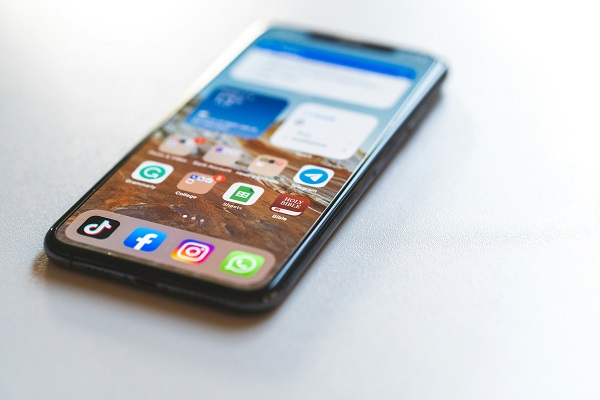
In today’s fast-paced digital era, mobile apps have become an integral part of daily life, significantly enhancing both productivity and entertainment. Essential mobile apps are designed to streamline our tasks, provide quick access to information, and facilitate communication, resulting in improved efficiency for users across various demographics. To comprehend the importance of these applications, one must consider their role in modern routines. For many individuals, mobile apps are not just tools; they are lifelines that assist in managing everything from communication and social networking to finance and travel planning. Given their convenience and accessibility, essential mobile apps have become indispensable for both personal and professional use.
The versatility of mobile apps caters to a diverse audience with unique requirements. For instance, a student may rely on educational applications to support their studies, while a busy professional may need project management tools to keep their work organized. Additionally, entertainment apps offer relaxation and leisure moments, ensuring users can unwind after a demanding day. As a result, what qualifies as an “essential” app can vary dramatically between different users.
As we delve further into this topic, it’s crucial to recognize that the categorization of mobile apps as essential changes over time and with technological advancements. Consequently, staying informed about the newest and most impactful apps will empower users to make educated choices regarding which applications to include in their daily routines. This discussion will highlight specific must-have mobile apps tailored to various user groups, demonstrating the breadth of options available to enhance everyday experiences.
Communication Apps: Staying Connected
In today’s fast-paced digital age, staying connected is more critical than ever, and communication apps play a significant role in facilitating this connectivity. Among the plethora of applications available, WhatsApp, Slack, and Zoom stand out as essential tools for both personal and professional interactions.
WhatsApp is renowned for its user-friendly interface that allows users to send text messages, voice notes, images, and videos instantly. With end-to-end encryption, this app ensures privacy and security, making it a preferred choice for many. Additionally, the ability to create group chats makes it easy for individuals to communicate with multiple contacts simultaneously, fostering a sense of community and collaboration.
On the other hand, Slack is primarily designed for workplace communication. It offers features such as channels, direct messaging, and file sharing, which enhance team collaboration. Its integration with other productivity tools makes it an all-encompassing platform where employees can not only communicate but also organize their tasks effectively. This is especially important in remote work scenarios where clear and efficient communication is vital.
Zoom has revolutionized the way we conduct meetings, webinars, and virtual gatherings. The app’s video conferencing capabilities facilitate face-to-face interactions regardless of geographical barriers. With features like screen sharing, breakout rooms, and recording options, Zoom streamlines meetings and enhances participation. In a world where remote work is increasingly common, such apps are becoming indispensable for maintaining professional relationships.
In conclusion, communication apps like WhatsApp, Slack, and Zoom have become integral to both personal and professional communication. Their unique features not only enhance connectivity but also improve collaboration, making them essential downloads for anyone seeking to stay connected in today’s digital world.
Productivity Apps: Boost Your Efficiency
In today’s fast-paced environment, staying organized and efficient is paramount. Productivity apps play a crucial role in helping individuals manage their tasks, projects, and overall workflow effectively. Among the myriad of choices available, three standout options—Evernote, Trello, and Todoist—provide robust solutions for enhancing productivity.
Evernote is a versatile note-taking application that allows users to capture ideas, create to-do lists, and store important information all in one place. Its ability to sync across devices ensures that users have access to their notes whenever they need them. Evernote’s features, such as tagging and searching, make information retrieval quick and straightforward, enabling users to focus on execution rather than on searching for their materials.
Trello employs a visual approach to project management, utilizing boards, lists, and cards to represent tasks and workflows. This method not only simplifies the tracking of project progress but also enhances collaboration among team members. Trello’s flexibility makes it suitable for various tasks—whether it’s organizing a work project, planning an event, or coordinating a personal goal, users can customize their boards to meet specific needs.
Todoist, on the other hand, excels in task management. With its intuitive interface, users can easily create tasks, set deadlines, and prioritize activities. The app’s unique Karma system gamifies productivity, encouraging users to complete tasks and stay focused on their objectives. By allowing users to break down larger projects into manageable steps, Todoist helps in reducing overwhelm and maintaining clarity.
Integrating productivity apps like Evernote, Trello, and Todoist into daily routines can greatly enhance effectiveness and organization. These tools not only aid in managing time better but also support users in achieving their personal and professional goals with greater ease.
Social Media Apps: Engage and Share
In today’s digital age, social media apps are paramount in connecting individuals across the globe, sharing valuable content, and remaining abreast of current events. Prominent applications, such as Instagram, Twitter, and Facebook, serve as key platforms for engaging with friends, family, and broader communities.
Instagram, with its focus on visual content, allows users to share photographs and videos while facilitating interaction through comments, likes, and direct messages. This platform excels in showcasing personal moments, artistic expression, and brand marketing, thereby promoting engagement at various levels. Through trending hashtags and stories, users can participate in wider conversations and discover content that resonates with their interests.
Twitter, on the other hand, is recognized for its succinct communication style that promotes concise expression of thoughts. Each tweet, limited to 280 characters, can rapidly disseminate news and updates, allowing users to stay informed about trending topics and global events. The retweet feature fosters a sense of community by enabling users to share information and support discussions in real time. This immediate interaction is valuable for users seeking timely insights or trending narratives.
Meanwhile, Facebook continues to dominate as a comprehensive social network, offering a platform for sharing text, images, videos, and links, as well as connecting with various groups and events. The app’s diverse features allow for rich interactions, whether through personal updates or participation in community pages. Facebook serves not only as a means of connection but also as a source for news and discussions, facilitating awareness of social issues and trends.
Collectively, these social media apps enhance our ability to connect, communicate, and share information in an increasingly interconnected world. Their presence in our daily lives underscores the importance of digital communication in fostering personal and professional relationships.
Finance Apps: Manage Your Money Smarter
In the digital age, finance apps have emerged as essential tools that allow users to manage their personal finances with ease and efficiency. Among the most popular applications are Mint, Venmo, and Robinhood. Each of these apps offers unique functionalities that contribute to better budgeting, saving, and investment habits.
Mint is an all-encompassing personal finance application that helps users track their expenses and income, categorize their spending, and monitor their financial goals. With its user-friendly interface, Mint generates detailed reports that provide insights into spending habits. These features empower users to create effective budgets and identify areas where they can save money. Moreover, Mint can sync with various bank accounts, allowing real-time updates to users’ financial standings, which is crucial for making informed financial decisions.
Venmo, on the other hand, revolutionizes the way individuals transfer money. This app facilitates peer-to-peer transactions, making it simple to split bills, pay for services, or send money to friends. Beyond just transfers, Venmo provides a social aspect, allowing users to see transactions amongst friends, fostering a community of shared financial interactions. The ease of use and quick transactions make Venmo a popular choice for those wanting to manage smaller, everyday financial activities.
Robinhood brings an innovative approach to investing, eliminating many barriers traditionally associated with stock market investments. This commission-free trading app allows users to invest in stocks and exchange-traded funds without incurring fees. Robinhood’s accessibility encourages users to get involved in the stock market, promoting financial literacy through its educational content and intuitive platform. By simplifying the investment process, Robinhood helps users grow their wealth over time.
Overall, finance apps like Mint, Venmo, and Robinhood play a vital role in enhancing users’ financial literacy and management. By utilizing these tools, individuals can achieve their financial goals with greater confidence and proficiency.
Health and Fitness Apps: Stay Fit and Healthy
In today’s fast-paced world, maintaining a healthy lifestyle can be challenging. Fortunately, technology offers various solutions to support individuals in their quest for health and fitness. Among the most popular mobile applications are MyFitnessPal, Headspace, and Fitbit. These apps can significantly contribute to tracking health metrics, providing workout plans, and promoting mental well-being.
MyFitnessPal is a comprehensive app focused on nutrition and calorie tracking. With an extensive database of food items, users can log their meals and monitor their daily intake. The app provides insights into macronutrient ratios and helps users set fitness goals such as losing weight or building muscle. By analyzing these data, individuals can make informed decisions about their diets, ultimately enhancing their health.
On the other hand, Headspace concentrates on mental well-being through mindfulness and meditation techniques. This app offers a variety of guided meditations catering to different user needs, including stress relief, improved focus, and better sleep. Regular practice leads to mental clarity and emotional stability, essential components of overall health.
The Fitbit application, when paired with its wearable devices, offers an expansive look into one’s physical activity. By tracking steps, heart rate, and exercise routines, users can visualize their progress and make necessary adjustments. The suite of features, including sleep analysis and daily reminders to move, help motivate users to remain active throughout their day. This integration of technology not only tracks health metrics but also fosters a commitment to a more active lifestyle.
Overall, these health and fitness apps empower users to take charge of their well-being. As they provide valuable resources and insights, individuals can cultivate healthier habits and achieve their fitness objectives more effectively.
Travel Apps: Explore the World Efficiently
In the modern era of travel, the advent of technology has transformed the way individuals plan and enjoy their journeys. Travel apps such as Airbnb, Google Maps, and Skyscanner have become indispensable tools for today’s globetrotters, simplifying various aspects of trip planning and on-ground navigation.
Airbnb revolutionizes accommodation bookings by offering a platform where users can find unique lodging options around the world. Travelers can select from an array of choices, including entire homes, apartments, and distinctive local accommodations that provide a more authentic experience compared to traditional hotels. The ability to read reviews and communicate directly with hosts enhances trust and satisfaction, making it easier to choose accommodation that matches personal preferences.
Google Maps serves as the quintessential navigation tool for travelers. Its comprehensive mapping service not only provides accurate directions but also integrates real-time traffic updates and public transportation options. Users can explore routes by car, foot, or transit, making it an essential app for discovering new cities. The “Explore” feature allows travelers to find nearby attractions, restaurants, and points of interest seamlessly, enriching their travel experience.
Skyscanner is another essential application, particularly for those looking to streamline flight bookings. By aggregating flight options from numerous airlines and travel agencies, it allows users to compare prices effectively. Its flexible search functionalities enable travelers to explore different travel dates and destinations, revealing the most cost-effective options. Additionally, Skyscanner often includes hotel and car rental services, providing a holistic approach to trip planning.
Incorporating these travel apps into your travel routine not only enhances the planning process but also enriches the overall journey, making it efficient and enjoyable. As technology continues to evolve, these programs will remain vital companions for explorers worldwide.
Entertainment Apps: Relax and Unwind
In today’s fast-paced world, entertainment apps have become essential tools for relaxation and leisure. Among the vast offerings, three standout platforms—Netflix, Spotify, and Audible—provide unparalleled streaming content, music, and audiobooks, catering to a variety of preferences.
Netflix is a leading entertainment application, revolutionizing how we consume television and film. With an extensive library that includes everything from critically acclaimed series to blockbuster movies, users can enjoy their favorite content anytime and anywhere. The platform continually updates its catalogue, ensuring that subscribers have access to the latest releases and original programming. With intuitive navigation and personalized recommendations, Netflix enhances the viewing experience, making it a fundamental app for unwinding after a hectic day.
On the other hand, Spotify brings music into the mix, offering streaming services that are essential for both entertainment and relaxation. Users can explore a vast range of genres, discover new artists, or create custom playlists that suit their mood. With various subscription options, Spotify provides an ad-free experience and offline listening capabilities, which are ideal for enjoying music while on the move. Its algorithmically-curated playlists introduce users to new tracks and artists, further enriching their music experience.
Audible rounds out this trio by focusing on audiobooks, catering to those who enjoy stories but may not have the time to sit down with a book. With a comprehensive library that includes bestsellers, educational material, and exclusive podcasts, Audible is perfect for multitaskers who wish to immerse themselves in captivating narratives during their daily activities.
In summary, Netflix, Spotify, and Audible are vital entertainment apps that provide diverse options for relaxation and enjoyment. Whether it is watching shows, listening to music, or diving into audiobooks, these applications cater to various preferences, ensuring that downtime can be spent in an engaging and enriching manner.
Conclusion: Download the Best for You
Choosing the right mobile apps is an essential aspect of today’s tech-driven lifestyle. The applications we select can significantly influence our productivity, social interaction, and overall well-being. With an abundance of options available, it is vital to approach app selection with a personalized strategy, considering individual needs and interests.
Every user has unique requirements; some may prioritize productivity tools, while others might lean towards entertainment or health-related applications. This diversity underlines the importance of exploring various mobile apps to identify those that resonate with personal goals and enhance daily life. By investing time to research and test different options, users can uncover apps that not only meet their specific needs but also provide valuable functionalities that contribute to a more organized and fulfilled lifestyle.
Additionally, recommendations play a crucial role in the app selection process. Insights from peers, online reviews, and curated lists can help individuals navigate the overwhelming number of applications available. Engaging with platforms that offer expert opinions can lead to discovering hidden gems that may otherwise be overlooked. This collaborative approach to app curation ensures that one is more likely to discover high-quality applications that truly add value.
As you consider which essential mobile apps to download, remember to prioritize usability and relevance. Staying updated with the latest trends and technologies can also enhance your app experience. Explore the recommended applications discussed in this post, try them out, and reflect on how they can integrate into and uplift your daily routines. With the right tools at your disposal, achieving your personal and professional aspirations becomes increasingly attainable.