

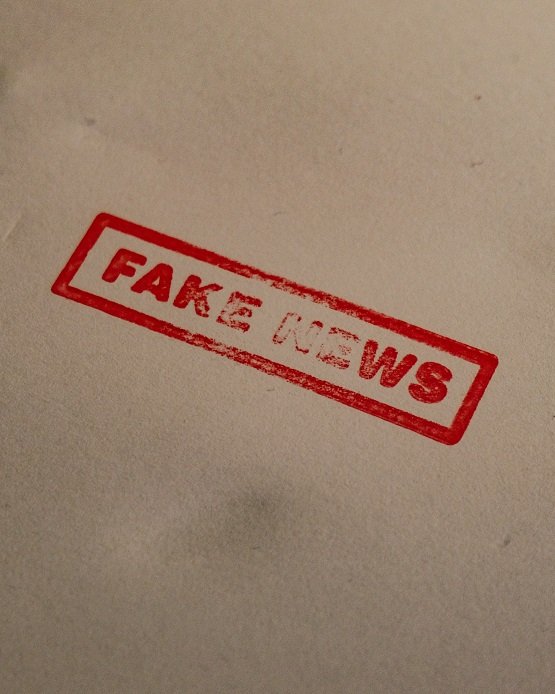
The distinction between opinion vs misinformation is crucial in today’s information-driven society. An opinion is typically a personal belief or judgment formed about a particular subject. It is characterized by subjectivity, as it is often influenced by individual experiences, biases, and emotional responses. Opinions can vary greatly among individuals, reflecting a diverse range of perspectives on various topics. Such subjective interpretations can be articulated through personal reflections, preferences, or even critical analyses of issues. Unlike definitive statements, opinions do not claim to represent absolute truths but rather highlight individual viewpoints.
On the other hand, misinformation is defined as information that is false or misleading, regardless of the intent behind its dissemination. Misinformation can arise from inaccurate reporting, misinterpretations, or the spread of rumors. Unlike opinions, which can be validated through personal reasoning, misinformation often presents inaccuracies or falsehoods as objective facts. This can lead to confusion, misled beliefs, and sometimes harmful consequences, particularly when individuals rely on such flawed information for making decisions.
Furthermore, opinions are generally accepted as subjective interpretations, thus requiring less scrutiny to validate their authenticity. In contrast, misinformation demands critical evaluation, as it necessitates factual accuracy and objective validation. While opinions contribute to the richness of discourse by fostering diverse discussions, misinformation poses a significant challenge, often clouding the truth. Understanding these distinctions is vital not only for individuals consuming information but also for those responsible for communicating facts, as it fosters a healthier informational ecosystem.
The Consequences of Blurring the Lines
The confusion between opinion vs misinformation poses a range of significant consequences, affecting not only individual understanding but also broader societal structures. When opinions are presented as fact, it can lead to the erosion of trust in credible media sources and public institutions. This degradation of trust makes it increasingly difficult for the public to discern reliable information from dubious claims, creating a populace that is vulnerable to manipulation.
Furthermore, as misinformation proliferates in public discourse, it can give rise to conspiracy theories. These theories often thrive in an environment where individuals are unable to differentiate between substantiated opinions and unfounded assertions. The allure of conspiracy theories lies in their ability to provide simplistic explanations for complex issues, which may be appealing in times of uncertainty. Individuals frequently gravitate towards these narratives, reinforcing their beliefs while isolating themselves from evidence-based arguments.
The polarization of society is another detrimental effect of this blurring of lines. When differing opinions are framed as misinformation, it not only leads to confrontations but also creates an atmosphere of hostility. People may retreat into echo chambers, where only information that aligns with their existing beliefs is accepted. This division can foster an environment where constructive dialogue is stifled, chilling open and honest discussion on critical issues.
Psychological factors also play a crucial role in this phenomenon. Cognitive biases such as confirmation bias lead individuals to favor information that supports their preconceived notions, often dismissing facts that contradict their worldview. These biases redirect focus away from legitimate arguments in favor of misleading information, further perpetuating the cycle of misinformation acceptance. As a result, distinguishing between opinion and misinformation becomes increasingly complex, necessitating vigilant media literacy among the public.
Navigating the Information Landscape
In an era characterized by an overwhelming influx of information, discerning between opinion and misinformation has become an essential skill. Critical assessment of the information encountered daily begins with evaluating the sources. Reliable information is often published by reputable opinion vs misinformation, which adhere to journalistic standards. Readers should familiarize themselves with these sources and their respective expertise to better gauge the validity of the content presented.
Verifying facts is another crucial strategy in navigating the information landscape. Cross-referencing claims with multiple sources can provide a more rounded view, allowing individuals to separate personal opinions from factual reporting. Tools such as fact-checking websites can aid in this endeavor by providing analysis of contentious statements and their factual accuracy.
Recognizing bias is equally important in the process of critical assessment. Media outlets often present information in a way that reflects particular viewpoints, potentially shaping public perception. Therefore, it is beneficial for readers to identify the perspective from which the information is delivered. Familiarizing oneself with a variety of viewpoints can help create a more comprehensive understanding of complex issues.
Moreover, media literacy plays a significant role in empowering individuals to navigate the information landscape. Education initiatives that focus on understanding media sources, questioning narratives, and critically analyzing content can enhance an individual’s ability to identify opinion versus misinformation. Practical tools such as digital literacy courses and community workshops can serve as valuable resources in this educational journey.
Increasing one’s media literacy not only fosters informed consumers of information but also encourages civic engagement. As readers become more discerning, they contribute to a healthier public discourse, enabling society to tackle misinformation more effectively.
Building a Culture of Critical Thinking
Creating a culture that values critical thinking is essential in navigating the fine line between opinion vs misinformation. It requires a collective effort from educators, parents, and media organizations to nurture environments where individuals feel empowered to question, analyze, and engage with information thoughtfully. The role of educators is pivotal; they are responsible for equipping students with the skills necessary to discern factual content from opinions. By incorporating critical thinking into the curriculum, educators can teach students not only how to evaluate sources and arguments but also encourage them to formulate their own opinions based on credible evidence.
Parents also play a crucial role in fostering critical thinking within the family unit. Engaging children in discussions about current events, technology, and social issues helps to develop their ability to think critically about the information presented to them. Rather than dismissing differing opinions outright, parents should model respectful dialogue and encourage their children to explore various perspectives. This approach not only enhances understanding but also cultivates empathy towards others, regardless of whether they hold differing views.
Media organizations, too, have a responsibility to promote a mindset of critical analysis among their audiences. By prioritizing fact-checking and transparency in reporting, media outlets can help reduce the spread of misinformation, thus empowering the public to make informed decisions. Encouraging constructive dialogue among readers and viewers, such as through comment sections or public forums, also provides opportunities for diverse opinions to be respectfully shared and debated.
In conclusion, promoting critical thinking is a shared responsibility that can significantly mitigate the risks of misinformation. By cultivating an environment that encourages healthy discussions and respects varying viewpoints, society can help individuals navigate the complexities of modern information landscapes while remaining committed to truth and accuracy.