
Embarking on your first solo travel trip can be an exhilarating yet daunting experience. To ensure that your journey is fulfilling, it is essential to clearly identify your travel goals. Start by assessing your personal interests; consider what excites you, whether it is nature, history, art, or culinary experiences. Understanding these preferences will help tailor your trip to suit your inclinations.
Moreover, reflection on your motivations for traveling alone is crucial. Are you seeking solitude and self-discovery, or wish to break free from daily routines? Perhaps you aim to challenge yourself by navigating new environments independently. Clarifying these motivations allows you to design an experience that resonates with your inner self.
It is also beneficial to explore different types of solo travel experiences when setting your travel aspirations. For instance, consider categories such as adventure travel, cultural immersion, relaxation getaways, or wellness retreats. Each category offers unique opportunities and can influence your destination choices significantly. If you seek adventure, destinations known for hiking or thrill-seeking activities would be suitable. Conversely, if relaxation is your goal, choosing a locale known for its serene beaches or tranquil spas may be more appropriate.
Once you have established a clear understanding of your interests and motivations, it is time to research destinations that align with your goals. Utilize travel blogs, forums, and social media to gather insights about various locales that cater to your specific interests. Look for areas known for their cultural richness or outdoor activities, depending on what excites you most. This research will not only help you envision your travel but also ensure a more enjoyable solo experience.
Budgeting and Financial Planning
When planning your first solo trip, one of the most critical components to consider is budgeting and financial planning. The financial aspect can often dictate the scope and feasibility of your journey, making it vital to create a well-structured budget. Begin by estimating your potential expenses, categorized into different areas such as accommodation, transportation, meals, and activities.
Accommodation expenses will vary significantly based on your destination and preferred style of lodging, so research a range of options including hotels, hostels, and vacation rentals. Next, consider transportation costs—this includes airfare, train fares, or local transit options. Always look for promotions or discounts that airlines and travel services may offer, which can substantially reduce expenses.
Food is another essential category; budget daily meal expenses while bearing in mind that eating out in some countries may be more economical than others. Additionally, it’s wise to allocate some funds for activities, which may include tours, museum entries, or local experiences. Don’t forget to set aside a portion of your budget for emergency funds, ensuring that you’re prepared for unexpected situations.
Before you embark on your trip, explore practical tips for saving money. Start by utilizing travel-related apps and websites to find deals on flights and accommodations. Establish a dedicated savings plan by setting aside a specific amount from your paychecks or other income to reach your financial goals. Furthermore, managing your finances while traveling can be streamlined by using travel credit cards that offer rewards and cash-back systems, helping to offset costs further.
By taking careful consideration of all potential expenses and employing strategic saving tactics, you will cultivate a solid financial foundation that not only enhances your solo traveling experience but also builds confidence as you embark on this adventure.
Itinerary Planning and Safety Considerations
When planning your first solo trip, constructing a detailed itinerary is essential for maximizing your travel experience. Begin by establishing a clear theme or purpose for your journey, whether it’s adventure, culture, relaxation, or a mix of various pursuits. This will help guide your choice of destinations and activities. Utilize travel forums, blogs, and websites to gather information on popular attractions, local dining options, and engaging activities to include in your itinerary.
Accommodation selection should align with your budget and preferences for safety and convenience. Consider options such as hostels, hotels, or short-term rentals based on your travel style. Look for accommodations in safe neighborhoods, ideally close to public transportation or popular sights. It’s advisable to read recent reviews from other travelers to ensure a positive experience.
Transportation methods play a crucial role in the logistics of your trip. Research modes of transport available such as public transit, taxis, or rental services. If you plan to visit multiple locations, consider purchasing a transit pass that may offer unlimited rides. Always keep a map or a navigation app handy, as this will assist you in transcending any language barriers and help in navigating unfamiliar territories.
Safety considerations cannot be overlooked for solo travelers. Researching local customs and practices will not only enhance your travel experience but also help you engage respectfully with the local culture. Ensure to stay connected with family or friends back home, updating them regularly on your whereabouts, which can enhance your safety. Prioritize personal safety by being mindful of your surroundings, securing your belongings, and avoiding overly isolated areas, particularly at night. These practices will contribute to a memorable and secure solo travel experience.
Packing Essentials and Useful Tips
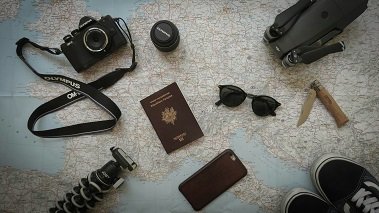
Packing for your first solo trip can be both an exciting and daunting task. It is vital to pack smartly, balancing between having all the essentials while avoiding overpacking. Start with a reliable suitcase or backpack that is easy to carry. Consider the duration and activities planned for your trip to determine the size and type of luggage that will suit your needs.
When it comes to essentials, prioritize items that are versatile and functional. Opt for clothing that can be layered and provides comfort, and make sure to include a light rain jacket, a pair of sturdy walking shoes, and a small foldable daypack for daily excursions. It is recommended to pack breathable, quick-drying fabrics to ensure you remain comfortable in varying weather conditions.
Travel gear can significantly enhance your solo travel experience. Consider investing in lightweight packing cubes to keep your belongings organized, and a durable travel wallet to secure your important documents. A portable charger and noise-canceling headphones are invaluable for longer travel legs, allowing you to stay connected and enjoy peaceful downtime.
In addition to packing tips, being adaptable during your trip is essential. Challenges may arise, such as delayed flights or unexpected changes in plans. Cultivating a positive mindset and maintaining flexibility will help you navigate these occurrences smoothly. Practice mindfulness techniques to stay grounded and appreciative of the travel experience, helping you enjoy every moment of your adventure.
Overall, careful planning and thoughtful packing can significantly enhance your first solo trip. By bringing the right essentials and keeping a positive attitude, you will be well-prepared to embrace the journey ahead.