
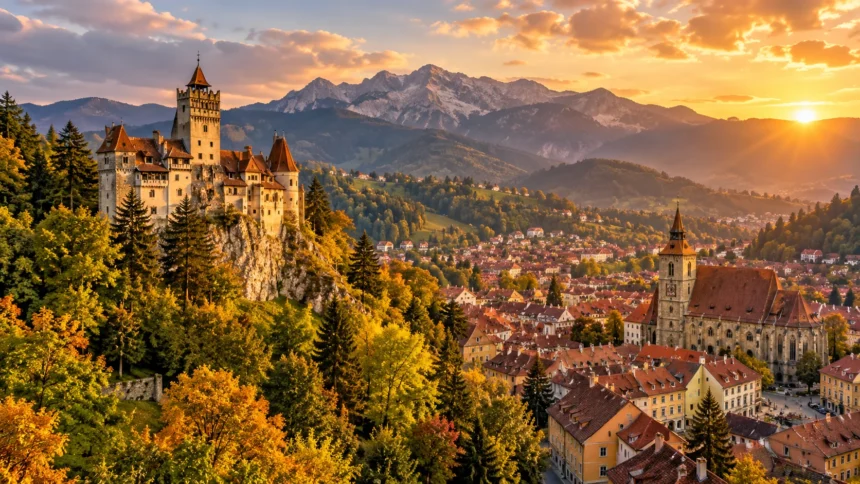
Romania is one of Europe’s most fascinating travel destinations, offering an incredible combination of medieval castles, historic cities, beautiful mountains, and traditional villages. Located in southeastern Europe, the country is famous for its Transylvania region, impressive Carpathian landscapes, and rich cultural heritage. Whether you enjoy exploring historical landmarks, discovering natural attractions, or experiencing local traditions, Romania provides unforgettable travel experiences.
Planning a trip to Romania is exciting because the country offers something for every type of traveler. From the lively streets of Bucharest to the legendary Bran Castle and peaceful Danube Delta, there are countless attractions worth exploring. This Romania travel guide covers the best things to do and see, popular destinations, transportation options, and practical tips to help you plan a memorable vacation.
Why Should You Visit Romania?
Romania attracts travelers with its remarkable combination of natural beauty, architectural heritage, and fascinating history. The country features medieval towns, centuries-old fortresses, mountain landscapes, and traditional rural communities. Visitors can explore historical landmarks while discovering cultural influences that have shaped Romania through different periods of European history, making it an appealing destination for sightseeing and cultural exploration.
Another reason to visit Romania is the variety of experiences available across its different regions. Transylvania is famous for castles and historic towns, while the Carpathian Mountains offer beautiful landscapes and hiking opportunities. The Black Sea coastline provides seaside destinations, and the Danube Delta attracts nature enthusiasts interested in wetlands, birds, and unique ecosystems.
Romania also offers traditional cuisine, welcoming guesthouses, and interesting local festivals that introduce visitors to regional customs. Many smaller towns preserve distinctive architecture and community traditions that differ from larger European cities. With thoughtful planning, travelers can combine famous attractions with quieter destinations while enjoying a journey filled with history, scenery, and memorable cultural experiences.
Explore Bucharest: Romania’s Vibrant Capital
Bucharest is Romania’s capital and largest city, known for its impressive architecture, historic neighborhoods, and lively cultural atmosphere. The city combines grand nineteenth-century buildings with modern shopping districts, museums, and green public spaces. Visitors can explore its diverse architectural styles while learning about Romania’s political history and the changes that have shaped its modern identity.
One of Bucharest’s most recognizable landmarks is the Palace of Parliament, a monumental building famous for its enormous size and elaborate interiors. The historic Old Town is another popular attraction, featuring pedestrian streets, restaurants, and beautifully restored buildings. Travelers can also visit the Romanian Athenaeum, a magnificent concert hall admired for its elegant architecture and cultural importance.
Bucharest offers several relaxing attractions beyond its major historical landmarks, including Cișmigiu Gardens and King Michael I Park. Museums, bookstores, and local markets provide additional ways to discover the city’s character. Visitors should consider spending at least two days exploring Bucharest before traveling to other Romanian destinations, especially when arriving through the country’s main international airport.
Visit Bran Castle: The Famous Dracula Castle
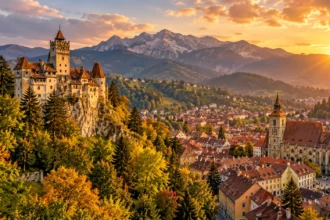
Bran Castle is one of Romania’s most famous attractions, located near Brașov in the scenic Transylvania region. The medieval fortress stands on a rocky hill surrounded by forests and mountains, creating a dramatic appearance. Its historical architecture and association with the Dracula legend attract visitors interested in folklore, medieval history, and impressive European castles.
The castle is widely marketed as Dracula’s Castle because of connections made between Transylvanian history and Bram Stoker’s fictional character. However, its direct historical connection to Vlad the Impaler is limited, and the Dracula story should not be confused with documented history. Visitors can instead appreciate the castle’s authentic architecture, royal associations, and collections displayed throughout its rooms.
Exploring Bran Castle involves walking through narrow passageways, staircases, courtyards, and furnished interiors. The surrounding village offers souvenir shops, restaurants, and beautiful views of the nearby mountains. Travelers should check visiting hours and ticket arrangements before arriving, particularly during weekends and busy summer periods when the castle attracts large numbers of tourists.
Discover Peleș Castle in Sinaia
Peleș Castle is one of Romania’s most beautiful royal residences, located in the mountain resort town of Sinaia. Surrounded by forested hills and the impressive Bucegi Mountains, the castle is famous for its elegant architecture and richly decorated interiors. Its fairytale appearance makes it particularly attractive to travelers interested in European history, photography, and historic buildings.
Construction of Peleș Castle began during the reign of King Carol I in the nineteenth century. The building features detailed woodwork, decorative halls, artwork, and architectural influences from several European traditions. Guided or organized visits provide opportunities to learn about Romania’s royal history and appreciate the craftsmanship displayed throughout the residence.
Sinaia is also a pleasant destination for travelers who enjoy mountain scenery and peaceful surroundings. Visitors can explore the town, admire Sinaia Monastery, or enjoy suitable walking routes around the resort area. Because Peleș Castle periodically closes for conservation work and ticket availability may be limited, travelers should verify current opening schedules before making plans.
Explore Brașov: A Beautiful Medieval City
Brașov is one of the most attractive cities in Transylvania, featuring colorful historic buildings, medieval architecture, and beautiful mountain surroundings. Located near the Carpathian Mountains, the city is a popular base for exploring central Romania. Its compact historic center provides a welcoming atmosphere with pedestrian streets, traditional restaurants, and important cultural landmarks.
Council Square, known locally as Piața Sfatului, is the heart of Brașov’s old town and is surrounded by attractive historic buildings. The Black Church is another important landmark, recognized for its Gothic architecture and historical significance. Visitors can also explore medieval defensive structures, narrow streets, and viewpoints that reveal the city’s distinctive layout.
Mount Tâmpa rises above Brașov and provides spectacular views across the historic center and surrounding landscape. Depending on operating conditions, visitors can use established walking trails or available transport facilities to reach suitable viewing areas. Brașov also makes a convenient base for visiting Bran Castle, Sinaia, and several other attractions in southern Transylvania.
Discover Sighișoara and Its Medieval Citadel
Sighișoara is one of Romania’s most charming historic towns, famous for its well-preserved medieval citadel and colorful architecture. Located in the heart of Transylvania, the fortified old town is recognized as a UNESCO World Heritage Site. Its cobblestone streets, defensive towers, and historic buildings create a memorable atmosphere that reflects centuries of European urban history.
The Clock Tower is one of Sighișoara’s most recognizable landmarks and provides an excellent introduction to the town’s medieval heritage. Visitors can explore the citadel’s winding streets, admire traditional houses, and discover small museums. The Covered Stairway, which leads toward the Church on the Hill, is another distinctive feature of this historic destination.
Sighișoara is also associated with Vlad the Impaler, the historical ruler who influenced later interpretations of the Dracula legend. Travelers interested in history can explore the town while learning about its Saxon heritage and defensive architecture. Spending a full day in Sighișoara allows time to appreciate the medieval surroundings without rushing between attractions.
Visit Sibiu: One of Romania’s Most Charming Cities
Sibiu is a beautiful Transylvanian city known for its historic squares, colorful buildings, and distinctive rooftops. Its old town preserves architectural influences from the region’s Saxon heritage, creating an attractive environment for walking and sightseeing. The city also hosts cultural events, museums, and traditional markets that contribute to its reputation as an important Romanian cultural destination.
The Large Square, or Piața Mare, is among Sibiu’s most popular gathering places and is surrounded by impressive historic architecture. Nearby attractions include the Small Square, the Bridge of Lies, and several important religious buildings. Visitors can also explore museum collections that highlight regional history, traditional crafts, and the artistic heritage of Transylvania.
Sibiu offers a pleasant combination of cultural attractions and nearby countryside experiences. The ASTRA Museum, located outside the historic center, showcases traditional Romanian rural architecture and heritage through an extensive open-air setting. Travelers can enjoy local food, explore pedestrian streets, and use Sibiu as a starting point for discovering surrounding villages and mountain landscapes.
Explore Corvin Castle and Romania’s Gothic Architecture
Corvin Castle, located in Hunedoara, is one of Romania’s most impressive medieval fortresses. Its towering stone walls, dramatic bridges, and Gothic architectural details create a striking appearance that appeals to history enthusiasts and photographers. The castle is associated with the Hunyadi family and reflects the military and political significance of medieval Transylvania.
Visitors can explore courtyards, halls, towers, and historical exhibitions that reveal different aspects of the fortress’s past. The castle’s large entrance bridge is especially recognizable and creates a dramatic introduction to the complex. Architectural elements from different periods highlight how the building developed and changed throughout its long history.
Corvin Castle is a worthwhile addition to a Transylvania itinerary, particularly for visitors traveling between Sibiu, Alba Iulia, and other regional destinations. Exploring the fortress requires walking through historic structures with stairs and uneven surfaces. Checking current admission arrangements and allowing enough time for the visit can make the experience more comfortable and rewarding.
Experience the Carpathian Mountains and Scenic Landscapes
The Carpathian Mountains are among Romania’s greatest natural attractions, offering dramatic peaks, forests, valleys, and beautiful mountain villages. The range extends across a substantial portion of the country and includes numerous protected natural areas. Travelers can enjoy scenic viewpoints, nature photography, and established hiking routes while discovering landscapes that contrast with Romania’s historic towns.
Popular mountain destinations include the Bucegi Mountains, Piatra Craiului National Park, and the areas surrounding Sinaia and Brașov. These regions offer different outdoor experiences depending on the season, available facilities, and visitors’ abilities. Travelers should select suitable routes, monitor local weather forecasts, and follow national park regulations when exploring protected natural environments.
Romania’s mountains are also home to wildlife, including brown bears, deer, and numerous bird species. Visitors should avoid approaching or feeding wild animals and follow guidance from park authorities. Exploring through established viewpoints, authorized tours, and appropriately marked routes provides opportunities to appreciate the mountain scenery while respecting local conservation requirements.
Discover the Danube Delta and Its Wildlife
The Danube Delta is one of Europe’s most remarkable wetland ecosystems, located where the Danube River flows toward the Black Sea. Recognized as a UNESCO World Heritage Site, the delta contains channels, lakes, marshes, and extensive reed beds. Its unique environment attracts travelers interested in nature, photography, birdwatching, and the traditional communities living within the region.
The delta is particularly famous for its rich birdlife, including pelicans, herons, cormorants, and many other species. Authorized boat excursions provide opportunities to observe wildlife and discover the network of waterways that shapes this landscape. Visitors should choose responsible operators who follow environmental regulations and avoid disturbing nesting areas or sensitive habitats.
Tulcea is a common starting point for exploring the Danube Delta, with transportation connections and tourism services available for visitors. Seasonal water levels and weather conditions can influence excursion routes and accessibility. Travelers should bring appropriate sun protection, insect repellent, and comfortable clothing while planning enough time to appreciate the delta’s peaceful natural surroundings.
Explore Maramureș and Traditional Romanian Villages
Maramureș is a region in northern Romania known for its traditional villages, wooden churches, and beautiful rural landscapes. The area preserves distinctive cultural customs and architectural traditions that provide insight into historic Romanian community life. Visitors can discover countryside scenery, family-operated guesthouses, and traditional crafts while exploring destinations outside the country’s major urban centers.
The wooden churches of Maramureș are among the region’s most important cultural attractions, with several recognized as UNESCO World Heritage Sites. Their tall wooden structures and detailed craftsmanship demonstrate long-established building traditions. Travelers can also visit the Merry Cemetery in Săpânța, known for its colorful grave markers and distinctive approach to remembering local community members.
Exploring Maramureș offers opportunities to experience traditional food, regional festivals, and local hospitality. However, travelers should respect residents’ privacy and ask permission before photographing people or private properties. Visiting responsibly helps preserve the cultural character of rural communities while providing a meaningful experience beyond the better-known tourist destinations of Transylvania.
Visit Bucovina and Its Famous Painted Monasteries
Bucovina, located in northeastern Romania, is famous for its historic monasteries decorated with remarkable exterior frescoes. These religious buildings are important cultural landmarks that reflect regional artistic traditions and spiritual history. The painted monasteries of northern Moldavia include several UNESCO-listed sites that attract visitors interested in architecture, heritage, and religious art.
Voroneț Monastery is particularly well known for its vivid blue frescoes and detailed religious imagery. Other significant monasteries include Sucevița and Moldovița, each displaying distinctive architectural features and decorative paintings. Visitors can appreciate how these artworks communicate historical religious stories while learning about the cultural significance of the buildings and surrounding communities.
Traveling through Bucovina also reveals scenic hills, traditional villages, and peaceful rural landscapes. Visitors should dress respectfully when entering active religious sites and observe any photography restrictions. Because the monasteries are spread across different locations, organizing transportation in advance can make it easier to explore several attractions during a longer regional visit.
Enjoy Romania’s Black Sea Coast
Romania’s Black Sea coastline offers a different travel experience from the castles and mountain landscapes found inland. Coastal destinations feature sandy beaches, seaside promenades, and seasonal holiday facilities that attract visitors during warmer months. The region is particularly appealing to travelers interested in combining city sightseeing with relaxing opportunities beside the sea.
Constanța is one of the most important coastal cities and offers historical attractions alongside its waterfront setting. The city’s famous Casino building is an architectural landmark overlooking the Black Sea. Nearby Mamaia is known for its beach resorts and summer tourism, while other coastal towns provide alternatives for visitors with different accommodation preferences.
The most popular time for enjoying Romania’s beaches is generally during the summer, when temperatures are warmer and seasonal facilities operate more frequently. Travelers should check beach conditions and follow local swimming safety instructions. Combining Constanța’s cultural attractions with time along the coastline can create a balanced extension to a broader Romanian holiday.
Best Time to Visit Romania for Sightseeing
The best time to visit Romania depends on whether you prefer historic cities, mountain landscapes, outdoor activities, or coastal destinations. Late spring and early autumn often provide comfortable temperatures for sightseeing and exploring towns. May, June, and September are particularly appealing for travelers who want pleasant weather without the busiest periods of summer tourism.
Summer brings warmer temperatures and longer daylight hours, making it popular for outdoor activities and visits to the Black Sea coast. However, major attractions can become crowded, and accommodation prices may increase during holiday periods. Mountain conditions also vary considerably, so travelers should check weather forecasts and trail accessibility before planning excursions at higher elevations.
Winter offers a different experience, with snow-covered mountains, seasonal celebrations, and opportunities to enjoy established winter resorts. Some roads, hiking routes, and attractions may have limited access because of weather conditions or scheduled maintenance. Choosing travel dates according to planned activities helps visitors enjoy Romania while reducing avoidable transportation and sightseeing complications.
How to Travel Around Romania
Romania offers several transportation options, including trains, intercity buses, domestic flights, and rental vehicles. Railway connections serve major destinations such as Bucharest, Brașov, Sibiu, and Cluj-Napoca, although journey times vary considerably by route. Travelers should review current schedules and consider advance reservations when planning longer journeys or traveling during busy holiday periods.
Renting a car can provide flexibility when exploring rural villages, mountain regions, and attractions outside major towns. However, road conditions vary, and mountainous routes may involve narrow sections, changing weather, or seasonal restrictions. The Transfăgărășan Highway is famous for its spectacular mountain scenery, but its high-altitude sections are usually closed during colder months.
Romania uses the Romanian leu as its national currency, although electronic payments are accepted in many urban establishments. Visitors should confirm entry requirements according to their nationality, including applicable Schengen Area rules. Keeping travel documents secure, using reliable transportation providers, and checking accommodation locations can help make a multi-destination journey more convenient.
How to Plan the Perfect Romania Travel Itinerary
A practical Romania itinerary should balance famous attractions with enough time to enjoy local experiences. Travelers visiting for approximately one week can begin in Bucharest before exploring Sinaia, Bran Castle, and Brașov. These destinations provide a combination of urban sightseeing, royal architecture, medieval landmarks, and mountain scenery without requiring travel across the entire country.
Visitors with additional time can continue through Transylvania to discover Sighișoara, Sibiu, and Corvin Castle. This route introduces historic towns, impressive fortresses, and traditional architecture from different periods. Spending several nights in selected destinations rather than changing accommodation every day can create a more relaxing experience and reduce unnecessary transportation arrangements.
Longer trips may include Maramureș, Bucovina, the Danube Delta, or the Black Sea coast, depending on individual interests and available travel time. These regions are geographically separated, so planning realistic journeys is important. Checking opening schedules, seasonal accessibility, and transportation connections before departure helps travelers build a flexible itinerary that reflects Romania’s diverse attractions.
Conclusion
Romania is a captivating European destination offering an extraordinary mixture of medieval architecture, beautiful landscapes, and cultural heritage. From the historic streets of Bucharest to the famous castles of Transylvania, travelers can discover attractions that reveal different aspects of the country’s history. Natural destinations such as the Carpathian Mountains and Danube Delta add remarkable variety to the experience.
Planning a memorable Romanian holiday involves selecting destinations that match your interests, travel budget, and available time. Historic towns such as Brașov, Sighișoara, and Sibiu provide excellent opportunities for cultural exploration, while rural regions introduce visitors to traditional communities. Understanding seasonal weather and transportation options can help make journeys between these attractions more comfortable.
Whether you are planning a short city break or an extended adventure across the country, Romania offers countless opportunities for discovery. Its impressive castles, scenic countryside, traditional cuisine, and historic landmarks create experiences that appeal to many types of travelers. With thoughtful preparation and a flexible itinerary, visiting Romania can become an unforgettable European travel experience.
Frequently Asked Questions (FAQs)
1. What Is Romania Most Famous For?
Romania is famous for Transylvania, Bran Castle, the Carpathian Mountains, medieval towns, and traditional villages. The country is also known for the Danube Delta, impressive historical architecture, and rich cultural heritage.
2. How Many Days Do You Need to Visit Romania?
Seven to ten days is a good starting point for exploring Bucharest and major Transylvanian attractions. Travelers interested in additional regions, including Bucovina or the Danube Delta, may prefer two weeks or longer.
3. Is Romania Expensive for Tourists?
Romania offers accommodation, transportation, and dining options for different budgets. Costs vary by destination and season, but careful planning can make sightseeing and travel reasonably affordable compared with many popular European destinations.
4. What Is the Best Month to Visit Romania?
May, June, and September are excellent months for sightseeing because temperatures are often comfortable. Summer is popular for coastal holidays, while winter attracts visitors interested in mountain resorts and seasonal experiences.
5. Is Romania Safe for First-Time Travelers?
Romania is generally manageable for first-time visitors who follow ordinary travel precautions. Travelers should protect valuables, use reputable transportation, follow mountain safety guidance, and check current entry requirements and travel advisories before departure.