

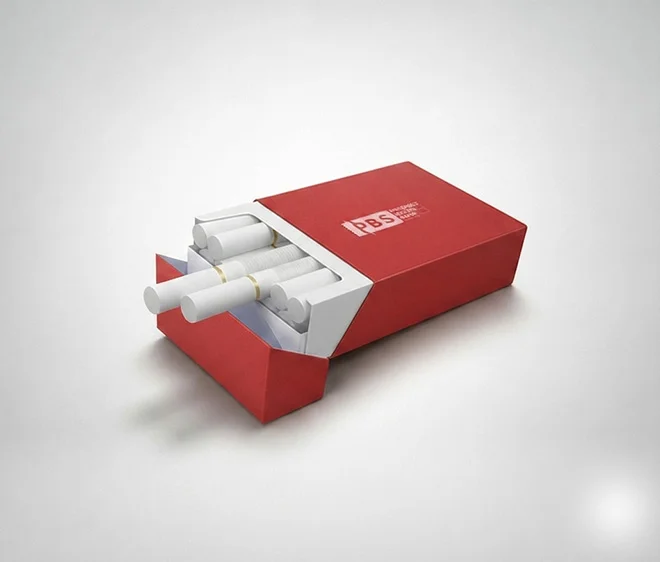
For cigarette manufacturers and distributors, packaging is not simply a branding decision. It must also meet strict requirements related to labeling, warnings, materials, product information, and market-specific regulations. A package can look impressive, but if it does not satisfy applicable rules, it can create costly problems during production and distribution.
This makes choosing cigarette boxes wholesale an important decision for manufacturers handling larger production volumes. The right packaging needs to combine structural reliability, accurate printing, consistent production, and compliance considerations without sacrificing the brand’s identity.
Why Compliance Should Come First
Cigarette packaging is subject to regulations that can vary significantly between countries and markets. Requirements may cover areas such as health warnings, prohibited claims, required information, package dimensions, and presentation.
Manufacturers should therefore verify the current requirements that apply to their specific market before finalizing artwork or ordering packaging in bulk.
Regulations Can Change
Packaging artwork that was acceptable previously may require modification when laws or regulatory standards change.
For this reason, manufacturers should maintain an approval process that checks:
- Required warnings.
- Mandatory product information.
- Language requirements.
- Barcode or identification requirements where applicable.
- Legal dimensions or packaging specifications.
- Printing restrictions.
Compliance should be treated as part of packaging development rather than something checked after production.
What Manufacturers Need From Wholesale Packaging
Large-scale production requires consistency.
When ordering cigarette boxes wholesale, manufacturers typically need packaging that can be produced repeatedly with reliable dimensions and print quality.
Consistency Matters
Small variations across thousands of packages can affect:
- Product presentation.
- Folding accuracy.
- Machine compatibility.
- Stacking.
- Transportation.
- Retail appearance.
A dependable production process helps reduce these issues.
Material Selection Is More Than an Aesthetic Choice
Packaging material influences how a box feels, folds, prints, and performs during transportation.
Manufacturers should consider:
- Board thickness.
- Folding performance.
- Surface finish.
- Print compatibility.
- Structural strength.
- Storage conditions.
The material should be selected according to the packaging specifications and applicable regulations rather than solely based on appearance.
Where Custom Box Packaging Fits In
Even when cigarette packaging must follow strict regulations, there may still be areas where manufacturers can maintain brand consistency within legal limits.
Custom box packaging can help organize approved design elements into a consistent visual system.
Depending on applicable regulations, manufacturers may work with permitted elements such as:
- Brand identification.
- Legal product information.
- Approved typography.
- Required package details.
- Barcode placement.
- Structural specifications.
The key is to develop the creative side of packaging around compliance rather than attempting to work around it.
Accurate Printing Is Critical
Cigarette packaging often contains information that must be reproduced precisely.
Avoid Production Errors
Manufacturers should carefully proof:
- Text.
- Numbers.
- Warning statements.
- Barcodes.
- Logos.
- Regulatory symbols.
- Legal information.
A spelling error or incorrect warning can create more than a cosmetic issue.
Digital artwork should be reviewed and approved before mass production begins.
Packaging Dimensions Should Be Consistent
Cigarette packs are manufactured to specific dimensions, meaning packaging tolerances can matter.
A box that is slightly too loose may allow movement, while one that is too tight can interfere with assembly.
Test Before Ordering in Bulk
A prototype or production sample can help identify:
- Folding problems.
- Poor closures.
- Misaligned printing.
- Structural weaknesses.
- Incorrect measurements.
Testing early is much less expensive than discovering a production issue after thousands of boxes have been manufactured.
Wholesale Purchasing Can Improve Production Planning
Buying packaging in larger quantities can help manufacturers coordinate packaging supply with production schedules.
However, purchasing volume should be based on realistic demand.
Avoid Excess Inventory
Ordering too much packaging can create:
- Storage pressure.
- Cash-flow issues.
- Obsolescence risks.
- Waste when regulations or artwork change.
This is particularly important in regulated markets, where packaging requirements can change.
Manufacturers should balance unit-cost savings against inventory flexibility.
Packaging Quality Should Be Checked at Multiple Stages
Quality control should not begin only when finished boxes arrive.
A practical process may involve checking:
Artwork → Material → Printed sample → Structural sample → Production run → Finished cartons
This makes it easier to identify problems before they affect an entire batch.
Transportation and Storage Matter
Wholesale packaging may spend considerable time in warehouses or shipping environments before reaching its final destination.
Boxes should be packed and stored appropriately to reduce the risk of:
- Crushing.
- Moisture exposure.
- Surface damage.
- Print scuffing.
- Warping.
Proper carton configuration can also make large packaging orders easier to transport and organize.
A Practical Wholesale Checklist
Before placing a large order, confirm:
- Regulatory requirements have been reviewed.
- All artwork has been approved.
- Required warnings and information are correct.
- Dimensions have been tested.
- Material specifications are suitable.
- Printing has been proofed.
- Samples have passed quality checks.
- Production quantities match realistic demand.
- Storage and transportation have been planned.
This process can reduce avoidable production and compliance problems.
Conclusion
Cigarette boxes wholesale require a different approach from ordinary retail packaging because manufacturers must balance production efficiency with strict regulatory requirements. Consistent dimensions, reliable printing, suitable materials, accurate information, and thorough quality control all contribute to dependable packaging.
Custom box packaging can still support brand consistency where regulations permit, but compliance should always guide the design process. By reviewing requirements early, testing prototypes, carefully approving artwork, and selecting a capable packaging supplier, manufacturers can build a packaging system that is reliable, consistent, and ready for the demands of regulated markets.