

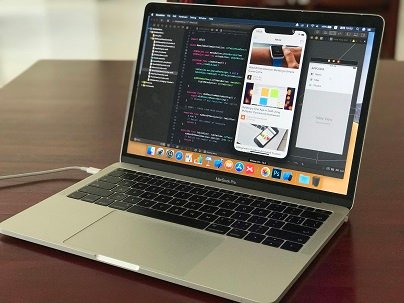
iOS app development refers to the process of creating applications specifically designed to run on Apple’s iOS operating system. This platform powers a diverse range of devices, including the iPhone, iPad, and iPod Touch. As of 2026, the importance of iOS app development cannot be overstated; Apple’s ecosystem continues to dominate the app marketplace, with millions of apps available and billions of downloads annually. This trend reflects the growing reliance on mobile devices for daily tasks, communication, entertainment, and business.
The iOS platform has seen significant growth in popularity since its inception in 2007. Factors contributing to this growth include Apple’s commitment to innovation, robust security features, and a user-friendly interface that attracts both developers and consumers alike. Consequently, many individuals or businesses targeting mobile users view iOS app development as a strategic opportunity for reaching their audience.
Beginners venturing into iOS app development can expect to encounter a steep learning curve, but the journey is rewarding. Initially, prospective developers should familiarize themselves with essential programming languages, notably Swift and Objective-C, which are the primary languages used for iOS applications. Learning these languages will help them to effectively communicate with the iOS SDK (Software Development Kit) and Xcode, Apple’s integrated development environment (IDE).
Moreover, aspiring developers should cultivate skills in interface design and user experience (UX) principles, as well as understanding software architecture, testing, and debugging methodologies. Developing proficiency in these areas will not only empower them to create effective applications but also help them keep pace with industry standards and user expectations. As they embark on their educational journey in 2026, beginners will find ample resources available, including online courses, tutorials, and forums, to guide their learning process.
Key Tools for iOS Development
For aspiring iOS app developers, selecting the right tools is crucial for a successful development process. Several key tools stand out in the realm of iOS app development, particularly for beginners navigating this innovative landscape.
One of the fundamental tools is Xcode, the official Integrated Development Environment (IDE) for iOS development. Xcode provides a comprehensive suite of tools designed to facilitate coding, debugging, and testing of applications. It supports Swift and Objective-C, two primary programming languages for iOS development. The rich feature set of Xcode includes an intuitive interface builder, code completion, and robust performance measuring tools. However, beginners may find its extensive functionalities overwhelming at first.
When it comes to programming languages, Swift has increasingly become the preferred choice due to its modern syntax and safety features, which make it easier for newcomers to learn. Swift is designed for speed and efficiency, enhancing the overall app performance. In contrast, Objective-C remains relevant, particularly for maintaining older applications or when integrating with existing codebases. While Objective-C is more complex, its long-standing presence in the development community provides a wealth of resources for learners.
Design plays a pivotal role in app development, and tools like Sketch and Figma are essential for creating visually appealing user interfaces. Sketch is favored for its intuitive vector-based design tools, while Figma excels in collaborative design, enabling multiple users to work on the same project in real-time. Each tool has its strengths; for instance, Figma offers an exceptional user interface for interaction design, whereas Sketch is more tailored for static graphics. The choice between them may depend on the specific project needs and team dynamics.
In summary, choosing the right development tools such as Xcode for coding, Swift for programming, and design platforms like Sketch or Figma is vital for beginners to effectively start their iOS app development journey.
Learning Resources and Communities
Embarking on the journey of iOS app development can be a rewarding yet challenging experience, especially for beginners in 2026. A plethora of learning resources has emerged, catering to developers at all levels. Online courses offered by platforms such as Udemy, Coursera, and LinkedIn Learning provide structured paths that guide users through fundamental concepts and advanced techniques in iOS development. These courses often include video lectures, practical exercises, and certification upon completion, which can enhance a learner’s credentials.
Tutorials and documentation from official sources like Apple’s Developer website are essential for understanding the core principles of iOS development. The comprehensive documentation includes code samples, design guidelines, and best practices that are vital for building robust applications. Additionally, platforms like Ray Wenderlich offer high-quality tutorials focusing on specific aspects of development, from Swift programming to UI design.
Books also play an important role in the educational landscape for aspiring iOS developers. Titles such as “iOS Programming: The Big Nerd Ranch Guide” and “Swift Programming: The Big Nerd Ranch Guide” cover both introductory and advanced topics, providing a solid foundation and deeper insights into the development ecosystem.
Equally important is the role of community engagement. Participating in forums like Stack Overflow, Reddit, or the Apple Developer Forums enables novices to seek help, share knowledge, and engage with experienced developers. Social media platforms, such as Twitter and LinkedIn, host numerous groups and discussions that cater specifically to iOS development. Local meetups and workshops serve as excellent opportunities for networking, sharing experiences, and learning from others in the field. These personal interactions can often foster mentorship relationships, providing invaluable support as beginners navigate the complexities of iOS app development.
Tips for Success in iOS Development
Embarking on a journey in iOS app development can be both exciting and challenging, especially for beginners. To ensure success, it is paramount to adopt effective strategies while continually refining one’s skills. Here are some practical tips that can support aspiring developers on their path.
First and foremost, understanding the fundamental principles of programming and app design is essential. Start with the basics, such as mastering Swift, Apple’s robust programming language, which is crucial for building iOS applications. Various online resources, including tutorials and courses, can facilitate this foundational learning. Furthermore, familiarize yourself with Xcode, the integrated development environment (IDE) for macOS, as it is vital for creating and testing your applications.
Staying updated with the latest trends and updates in technology is another pivotal element to thrive in iOS development. The tech landscape evolves rapidly, and as such, subscribing to tech blogs, forums, and Apple’s developer community can help you gain insights into the newest tools and frameworks. Engaging with peers and attending workshops can also provide valuable networking opportunities, fostering a supportive community.
Another effective approach is to build a portfolio. Begin by working on small projects or contributing to open-source applications. This not only demonstrates your practical skills but also showcases your ability to handle real-world scenarios. A well-crafted portfolio can be instrumental when seeking job opportunities in a competitive market.
Lastly, maintaining perseverance is vital. There will be challenges, and mistakes are part of the learning process. Embrace these experiences as opportunities for growth. Commit to continuous learning, as this will ultimately enhance your expertise and adaptability as an iOS developer. By actively participating in real-world projects, engaging with the community, and honing your skills, you will position yourself for success in the dynamic field of iOS app development.