

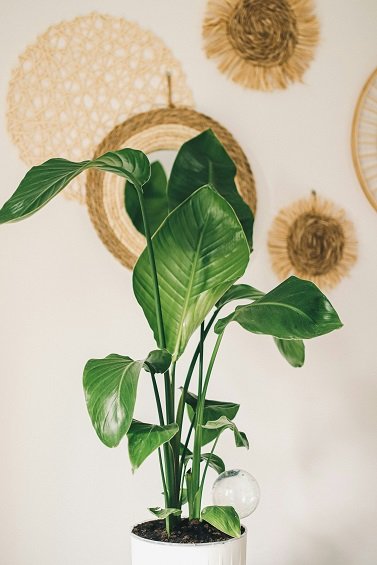
In recent years, indoor plants have gained significant popularity among homeowners and interior design enthusiasts alike. The trend of incorporating greenery into living spaces is not merely a fashionable choice; it is also motivated by a multitude of beneficial factors. Indoor plants are more than just decorative elements; they contribute to the overall well-being of residents and enhance the aesthetic appeal of a home.
One of the primary advantages of indoor plants is their ability to improve air quality. Through the process of photosynthesis, these plants absorb carbon dioxide and release oxygen, thereby creating a fresher and more breathable environment indoors. Additionally, certain species of indoor plants have been shown to filter harmful pollutants from the air, making them an essential component of a healthy living space.
The presence of indoor plants also has psychological benefits. Studies have demonstrated that greenery can reduce stress levels and promote a sense of tranquility. The act of nurturing plants can foster a deeper connection with nature, which is often lacking in urban settings. This therapeutic aspect of indoor gardening makes it an appealing choice for individuals seeking balance in their hectic lives.
Moreover, indoor plants serve as versatile decorative elements that can complement any interior style. From modern minimalism to classic elegance, these plants can be tailored to fit various design preferences. Their diverse shapes, textures, and colors enable homeowners to express their personalities while enhancing the visual appeal of their spaces.
As we delve deeper into the world of indoor plants, it becomes clear that their role extends far beyond mere decoration. They bring numerous advantages to homes, making them an indispensable addition to interior design. In the following sections, we will explore specific types of indoor plants that can elevate your home decor, along with tips on their care and maintenance.
Benefits of Indoor Plants
Indoor plants are remarkably beneficial to home environments, offering health advantages, aesthetic enhancements, and contributing positively to well-being. One of the most significant benefits of indoor plants is their ability to improve air quality. According to a study conducted by NASA, certain houseplants can remove up to 87% of indoor air pollutants within 24 hours. Common plants such as the spider plant, peace lily, and snake plant are noted for their capability to filter harmful toxins and increase oxygen levels, creating a cleaner atmosphere.
Additionally, indoor plants can have a profound impact on mental health. Research has shown that the presence of greenery can reduce feelings of stress and anxiety. A study published in the Journal of Environmental Psychology emphasizes that individuals in a greenery-rich environment report lower stress levels, which can lead to improved concentration and overall mental well-being. The act of caring for plants and their inherent beauty can enhance mood and promote a sense of tranquility.
Aesthetic enhancement is yet another compelling benefit of incorporating indoor plants into home decoration. These plants serve as natural décor, adding life and vibrancy to any space. They can complement various interior styles, from minimalist to bohemian, by introducing colors and textures that enhance visual appeal. Furthermore, plants create a sense of warmth that can make a place feel more inviting. Implementing a few strategically placed indoor plants can transform an ordinary room into a welcoming haven.
In summary, the benefits of indoor plants extend beyond mere decoration. They actively contribute to improved air quality, foster mental well-being, and enhance the aesthetic quality of homes. Investing in indoor plants not only beautifies living spaces but also promotes a healthier lifestyle.
Factors to Consider When Choosing Indoor Plants
Choosing the right indoor plants for home decoration involves several critical factors that can significantly influence both the aesthetic appeal and the health of the plants. One of the foremost considerations is the light conditions within your home. Different plants thrive under varying light intensities; some require bright, indirect sunlight, while others prefer low-light environments. It is imperative to assess the natural light available in each room to ensure that the selected indoor plants will flourish.
In addition to light conditions, the maintenance level of potential plants is an essential factor. Some indoor plants require regular watering and care, while others are more forgiving, thriving on minimal attention. Understanding your own lifestyle and how much time you can dedicate to plant care will help you select varieties that suit your preferences. For instance, succulents and snake plants are ideal for those seeking low-maintenance options.
The size of the indoor plants is another factor that should not be overlooked. It is vital to consider the available space in your home and how each plant’s dimensions will fit into that space. Larger plants can become focal points in a room, while smaller plants can be used for decorative accents. Always measure the areas where you intend to place your plants to avoid overcrowding.
Lastly, plant compatibility with home environments must be taken into account. Consider factors such as humidity levels, temperature fluctuations, and whether you have pets or small children. Certain indoor plants can be toxic if ingested, so opting for non-toxic varieties might be necessary. By carefully evaluating these factors, you can choose indoor plants that not only enhance your home’s decor but also thrive in their specific environments.
Top 10 Indoor Plants for Home Decoration
Indoor plants not only enhance the aesthetic of a home but also promote better air quality and overall well-being. Here is a comprehensive list of the ten best indoor plants for home decoration, each featuring unique qualities that cater to diverse preferences and lifestyles.
1. Snake Plant (Sansevieria) – Known for its upright, sword-like leaves, the Snake Plant is a hardy choice for indoor decoration. It requires minimal watering and thrives in both low and bright light, making it ideal for beginners.
2. Pothos (Epipremnum aureum) – This versatile plant is recognized for its trailing vines and heart-shaped leaves. Pothos prefers indirect light and minimal care, making it perfect for hanging baskets or shelves.
3. Peace Lily (Spathiphyllum) – Featuring glossy green leaves and stunning white flowers, the Peace Lily not only beautifies your space but also purifies the air. It grows well in low light and needs regular watering.
4. Fiddle Leaf Fig (Ficus lyrata) – Renowned for its large, violin-shaped leaves, the Fiddle Leaf Fig is a popular choice among interior designers. It requires bright, indirect light and regular watering to maintain its striking appearance.
5. ZZ Plant (Zamioculcas zamiifolia) – The ZZ Plant is celebrated for its waxy, dark green leaves and resilience to neglect. It thrives in low light and requires infrequent watering, making it suitable for busy lifestyles.
6. Rubber Plant (Ficus elastica) – Characterized by its large, leathery leaves, the Rubber Plant can grow into a substantial indoor tree. It prefers bright, indirect light and moderate watering.
7. Spider Plant (Chlorophytum comosum) – This plant features arching green and white leaves and is ideal for hanging arrangements. Spider Plants are easy to care for and thrive in a variety of lighting conditions.
8. Dracaena (Dracaena spp.) – Dracaenas come in various forms, each offering striking foliage patterns. They are relatively low-maintenance and thrive in moderate light, requiring watering when the soil is dry.
9. Boston Fern (Nephrolepis exaltata) – With a lush, feathery appearance, the Boston Fern adds a touch of greenery to any indoor space. It prefers high humidity and indirect light, and consistent watering is key to its longevity.
10. Aloe Vera – Apart from being an attractive succulent, Aloe Vera is well-known for its medicinal properties. It prefers bright light and moderate watering, making it a resilient choice for home decoration.
Each of these indoor plants provides an opportunity to elevate your home’s decoration while also offering various benefits. With an understanding of their care requirements, you can easily incorporate them into your living space to create a vibrant atmosphere.
Creative Ways to Decorate with Indoor Plants
Integrating indoor plants into home decor can transform living spaces, bringing a sense of warmth and vibrancy. By utilizing various creative arrangements, one can accentuate different areas of the home while enhancing the overall aesthetic. A popular option is to use plant stands, which elevate the greenery and allow for versatile placements. Whether positioned in corners, near windows, or as centerpieces, plant stands create layers of visual interest. Choose stands with varying heights to add dimension and draw the eye throughout the room.
Another innovative approach is to hang plants from ceilings or walls. This technique not only saves floor space but also creates a dynamic atmosphere. Utilizing macrame hangers or stylish wall-mounted planters can transform empty walls into lush displays of foliage. Consider selecting trailing plants, such as pothos or string of pearls, which beautifully cascade downwards, creating an enchanting visual effect.
Furthermore, themed plant arrangements can provide a cohesive look to home decor. For instance, a tropical theme can be established using a combination of palms, ferns, and succulents, creating a lush environment that mimics a serene getaway. On the other hand, modern minimalism can be achieved with a collection of sleek, geometric planters that house low-maintenance succulents or cacti. By coordinating colors, textures, and plant species, one can curate arrangements that resonate with the overall style of the home.
Lastly, integrating plants into existing decor, such as bookshelves or side tables, can soften hard lines and introduce natural beauty. Simple ideas include placing small pots alongside books or incorporating larger plants as bookends. Ultimately, the goal is to create a harmonious blend of indoor plants that complement personal taste while enhancing the character of the living space.
Care Tips for Indoor Plants
Maintaining indoor plants can be rewarding, but it necessitates proper care to ensure their longevity and aesthetic appeal. First and foremost, understanding the specific needs of each plant is crucial. Different species have varying requirements regarding light, water, and humidity levels. For instance, while succulents thrive in bright light and prefer dry soil, ferns may require a more humid environment and indirect light.
Watering is a common challenge for indoor plant owners. Overwatering can lead to root rot, while underwatering may cause dehydration. A practical tip is to check the moisture level of the soil by inserting your finger about an inch deep. If the soil feels dry, it’s time to water. However, always ensure that pots have drainage holes to allow excess water to escape.
Another critical factor is fertilization. Indoor plants benefit from regular feeding, especially during the growing season, which typically occurs in spring and summer. Using a balanced fertilizer can support healthy growth; however, it is important not to over-fertilize, as this can result in nutrient burn, damaging the plant.
Maintaining humidity can also be essential for certain indoor species. Placing a tray of water near the plants or periodically misting them can help increase humidity levels. Furthermore, rotating your plants every few weeks ensures even growth, as plants tend to lean toward natural light sources.
Lastly, it is vital to keep an eye out for pests that can threaten your indoor plants. Regularly inspecting your plants for signs of infestation, such as discoloration or webbing, allows for early intervention, protecting their health and maintaining their decorative appeal. By adhering to these care tips, indoor plant owners can create a thriving indoor garden that enhances their living space.
Seasonal Considerations for Indoor Plants
Choosing the right indoor plants for your home can be significantly influenced by the seasons. Each season brings distinct environmental conditions that can affect plant health and growth. Understanding these seasonal patterns allows you to make informed decisions regarding plant selection, care techniques, and decorative styles throughout the year.
In the winter months, indoor plants may experience challenges due to reduced daylight hours and lower humidity levels. It is essential to ensure adequate light exposure for your plants during this time. Placing plants near windows that receive ample sunlight is crucial. Consider rotating the pots regularly to promote even growth, as many plants tend to lean toward their light source. Additionally, using grow lights can effectively supplement natural light, helping sustain your plants during the darker months.
Humidity is another critical factor to address in winter, as heating systems can create dry indoor air, which is not conducive for many tropical plants. To counteract this, consider using a humidifier or placing a pebble tray filled with water under your pots to increase the ambient moisture. Regular misting of plants can also prove beneficial. Remember, each plant species has its specific humidity preferences, so researching your chosen varieties will help meet their needs.
As the seasons change to spring and summer, opportunities arise for seasonal trends in plant selection. This period is typically associated with vibrant growth and can introduce new decorative options. Consider incorporating seasonal displays with flowering plants or fragrant herbs that thrive in warmer temperatures. This is also a great time to assess your indoor plant collection for any needed adjustments, such as repotting or propagation, to keep your home’s greenery flourishing.
Ultimately, keeping seasonal considerations in mind when caring for indoor plants can greatly enhance your home’s aesthetic and ensure the longevity of your plant companions. By adapting your care routine and exploring diverse plant options according to the seasons, you create a beautiful indoor environment that evolves throughout the year.
Common Indoor Plant Pests and Problems
Indoor plants, while generally robust, can occasionally be afflicted by various pests and problems, which can hinder their growth and aesthetic appeal. Being able to identify these issues early is crucial for effective management and solution implementation.
One common pest is the spider mite, which often manifests as tiny specks on leaves and may lead to yellowing foliage. These pests thrive in dry conditions, so maintaining adequate humidity around your indoor plants can help. Insecticidal soap or neem oil can be effective remedies against spider mites.
Another frequent issue arises from aphids, small insects that feed on plant sap. They can cause distortion of young leaves and overall weakening of the plant. To combat aphids, a simple solution of water and dish soap can be applied directly to the affected areas. Introducing natural predators, such as ladybugs, can also provide a sustainable long-term solution.
Moreover, indoor plants are susceptible to diseases like root rot caused by overwatering. Symptoms include wilting leaves and a foul odor emanating from the soil. To rectify this problem, ensure proper drainage and consider repotting with fresh soil. Preventative measures such as allowing the soil to dry between waterings can greatly reduce the risk.
Additionally, environmental stressors such as low light or drafts can lead to issues like leaf drop or slowed growth. It is essential to assess the planting environment regularly, ensuring that plants receive adequate light and are shielded from extreme temperature fluctuations.
In conclusion, being proactive in recognizing and managing common pests and environmental problems can significantly prolong the health and beauty of your indoor plants. Regular monitoring, along with prompt intervention when issues arise, is key to maintaining lush greenery in your home.
Conclusion and Final Thoughts
Indoor plants hold a significant role in enhancing the aesthetic appeal and atmosphere of our homes. As explored throughout this blog, various species of plants not only contribute to visual beauty but also offer psychological benefits, such as reducing stress and improving air quality. The choice of the right indoor plants for home decoration can transform a mundane space into a lively sanctuary. Factors such as light availability, humidity levels, and personal care preferences are essential considerations when selecting plants for your home environment.
Each plant species comes with unique characteristics, making it crucial for homeowners to explore options that align with their specific living conditions. From low-maintenance succulents to vibrant flowering plants, there is a diverse range of choices available to suit any interior décor style. The journey of incorporating these green elements can be a fulfilling experience, where each new addition enhances the ambiance and character of your living spaces.
We encourage readers to reflect on their home environments and to envisage how different indoor plants may enrich their lives. Whether one opts for lush foliage or a statement plant, each decision contributes not only to the decoration of one’s home but also to personal well-being. Embrace this journey of discovery as you choose to bring life into your spaces with plants that resonate with your lifestyle and aesthetic preferences.