

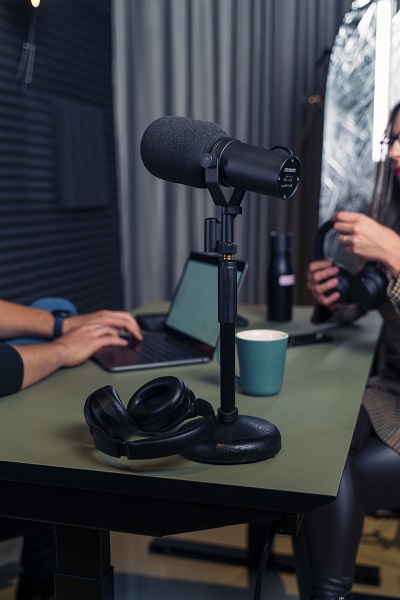
How to start a podcast has emerged as a prominent medium for sharing information, entertainment, and storytelling. It is essentially a form of digital audio broadcasting, allowing creators to distribute audio files over the internet for listeners to download or stream at their convenience. The origin of podcasting can be traced back to the early 2000s when RSS feeds were combined with audio, leading to the first recorded instances of this format. Over the years, podcasting has evolved significantly. Initial formats focused mainly on talk radio-style shows, but the diversity of genres has expanded dramatically. Today, listeners can choose from various formats, including interviews, narrative shows, educational series, and serialized storytelling. This variety has catered to an extensive range of interests, making podcasting appealing to a broad audience.
To embark on a podcasting journey, it is imperative to understand key terminology associated with the field. Terms such as “episode,” “feed,” “hosting,” and “content calendar” are fundamental for anyone looking to navigate the podcasting landscape. Familiarizing oneself with these terms helps in grasping the operational aspects of producing and distributing a podcast.
Before launching a podcast, potential creators must have a clear understanding of their concept and objectives. This includes defining the niche or topic that the podcast will focus on, identifying the target audience, and outlining the desired format. Establishing clear goals will not only guide the content creation process but also help in effectively growing an audience. Therefore, a strategic approach is essential in the early stages of podcasting to ensure long-term success and engagement with listeners.
Identifying Your Niche and Target Audience
Starting a podcast requires careful consideration of your niche and desired audience. A well-defined niche allows you to stand out in the saturated podcast market, making it easier to attract a dedicated listener base. To begin with, it is essential to conduct thorough market research. This process involves identifying trends within the podcasting industry, examining popular themes, and recognizing underserved topics that align with your interests and expertise.
Understanding your target audience is equally vital. This entails identifying demographic information such as age, gender, location, and interests of the listeners you wish to reach. By creating listener personas, you can tailor your content to meet the preferences of specific groups. Surveys, social media polls, and engaging in podcast communities can provide insights into potential listeners’ preferences.
Analyzing competitors who are successful in your chosen niche can also provide invaluable information. Evaluate their content style, episode frequency, audience engagement levels, and marketing strategies. Identifying what works for them as well as what their audience appreciates can help you carve out your own unique position. Additionally, paying attention to listener feedback and reviews can provide direction on how to refine your approach.
In summary, successfully identifying your niche and target audience is a critical step in starting a podcast. Through market research, understanding audience demographics, and analyzing competitors, you can create engaging content that resonates with a specific listener base, ultimately aiding in audience growth. The clearer your niche, the more effectively you can serve your chosen audience, which can significantly enhance your podcast’s reach and relevance.
Planning Your Podcast Content
Creating a successful podcast requires careful planning of your content to ensure that it resonates with your target audience. The first step in outlining podcast episodes is to define the overall structure of your show. Consider whether your podcast will be interview-based, narrative-driven, or a mix of different formats. This decision will greatly influence how you develop each episode’s content.
Next, segment ideas should be incorporated into your outline. Think of your podcast as a series of engaging discussions or stories that captivate listeners. Each episode could include multiple segments, such as an introduction, main discussion, listener questions, and a conclusion. This segmentation keeps the content dynamic and maintains listener engagement throughout the episode.
Determining the ideal episode length is also crucial. Generally, podcasts range from 20 minutes to an hour, depending on the topic and format. It’s important to analyze your audience’s listening habits and preferences; shorter episodes may work better for certain subjects, while longer discussions allow for deeper dives into complex topics. Frequent releases play a key role too. Establish a consistent schedule for publishing episodes—weekly, bi-weekly, or monthly—to keep your audience engaged and anticipating new content.
Storytelling is a powerful tool in podcasting. Integrate narrative techniques into your discussions to create a connection with your audience. Engaging narratives can help convey valuable information while maintaining interest, making your podcast more appealing. By meticulously planning your podcast content with structure, segments, and engaging storytelling, you lay a strong foundation for attracting and retaining listeners.
Essential Equipment and Software for Podcasting
Starting a podcast necessitates a well-thought-out selection of equipment and software. The quality of your audio and the ease of your production process can heavily influence your podcast’s success. Here is a comprehensive overview of essential items to consider.
Firstly, microphones are of paramount importance. A good-quality microphone enhances sound clarity and minimizes background noise. Popular options include condenser microphones, which are great for studio settings, and dynamic microphones, which are ideal for on-the-go recording due to their durability and noise-canceling capabilities. Depending on your budget and audio goals, you can select devices like the Audio-Technica AT2020 or the Shure SM58, both offered at different price points.
Secondly, headphones are crucial for monitoring audio while recording and during editing. Closed-back headphones are recommended, as they prevent sound leakage that can interfere with your recordings. Brands like Sony and Audio-Technica provide a range of options to suit varying budgets.
In addition to microphones and headphones, a reliable recording device or audio interface is necessary. An audio interface connects your microphone to your computer and streamlines the recording process. Look for interfaces with quality preamps and low latency for optimal performance. Devices like the Focusrite Scarlett series are widely used in podcasting.
Lastly, editing software is vital for refining your podcast episodes. Popular choices include Audacity, which is free and user-friendly, and Adobe Audition, which offers more advanced features at a cost. Each of these tools can help with cutting, layering, and enhancing your audio to produce a polished final product.
When selecting your podcasting gear, it’s essential to find a balance between quality and budget. Investing in quality equipment can lead to better audio, which is critical for attracting and retaining listeners. Overall, understanding the essential equipment and software can significantly enhance not just your podcasting experience but also your audience engagement.
Recording and Editing Your Podcast
Recording a podcast is a critical phase that demands attention to detail, especially concerning sound quality and presentation. First, selecting the appropriate space for recording is essential. Choose a quiet, echo-free environment to mitigate external noise interferences. Utilizing soft furnishings and carpets can help absorb sound and create a more acoustically friendly space. A good microphone is equally crucial; invest in quality equipment to ensure your voice is captured clearly. Test your microphone settings and ensure that audio levels are balanced to avoid distortion.
Before starting your recording, practice voice modulation techniques that enhance clarity and engagement. Adjust your tone and pace to maintain a conversational yet professional delivery. Speaking clearly and varying your intonation can make your content more engaging for listeners. Using a script or outline can provide structure but should be used flexibly to allow for natural conversation flow.
Once you complete the recording process, the next step involves editing the audio. Editing is vital for eliminating mistakes and enhancing overall sound quality. Begin by using audio editing software such as Audacity, GarageBand, or Adobe Audition to manage your recorded audio tracks effectively. Start by cutting out pauses, filler words, or any obvious errors, ensuring the final product remains coherent and engaging. Additionally, mixing the audio involves setting the proper balance between vocals and any background music or sound effects.
Incorporating effects, such as compression and equalization, can significantly enhance your podcast’s sound quality. Compression helps level the audio, ensuring that volume discrepancies do not detract from the listening experience. Equalization allows you to adjust the frequency ranges, providing a clearer result. Overall, both recording and editing require patience and practice, but mastering these techniques will significantly contribute to the professionalism of your podcast.
Hosting Your Podcast and Distribution Platforms
When embarking on your podcasting journey, one of the most critical decisions you will face is selecting a suitable hosting platform. A podcast hosting platform is where your audio files are stored and made accessible to listeners. Numerous hosting services are available, each offering various features and pricing structures. Popular options include Libsyn, Podbean, and Anchor. Factors to consider when choosing a platform include ease of use, bandwidth limits, storage capacity, analytics, and monetization opportunities.
Incorporating an RSS feed is equally vital for podcast distribution. An RSS feed, or Really Simple Syndication feed, allows your podcast episodes to be easily updated and distributed to various platforms. By providing your RSS feed link to hosting services, your episodes can automatically update whenever new content is published. This streamlines the distribution process and ensures your audience can access the latest episodes without delay.
Once you have secured a reliable hosting platform and generated your RSS feed, you can begin submitting your podcast to various distribution channels. Major platforms such as Apple Podcasts and Spotify dominate the podcast landscape, but do not overlook others like Google Podcasts, Stitcher, or Overcast. Each platform has its submission guidelines, typically requiring you to input your podcast title, description, cover art, and the RSS feed URL. Attention to detail during this process is essential to ensure a smooth submission and successful reach to your target audience.
Utilizing multiple distribution platforms not only broadens your listener base but also enhances the visibility of your podcast. Be sure to promote your episodes across social media and other channels to further engage your audience and grow your reach. Remember that maintaining a consistent upload schedule is key to keeping your audience interested in your content.
Marketing Your Podcast Effectively
To grow an audience for your podcast, effective marketing strategies are essential. In the digital age, social media platforms serve as powerful tools to enhance visibility and foster community engagement. Regularly posting content and updates about your podcast on platforms such as Instagram, Twitter, and Facebook can create a dedicated following. Engaging with listeners through comments and messages fosters a personal connection, encouraging them to share your podcast with their networks.
Additionally, engaging in podcasting communities, both online and offline, can greatly amplify your reach. Forums like Reddit, Facebook groups dedicated to podcasting, or even local meetups can provide invaluable networking opportunities. By sharing your experiences and insights, you not only establish your credibility but also invite potential listeners who may be interested in your podcast’s niche.
Another effective marketing technique is collaboration with other podcasters. Guest interviews can provide mutual benefits; you tap into each other’s audiences, bringing fresh listeners to both platforms. Selecting guests who complement your content can also enhance the overall quality of your episodes, making them more compelling to listeners. Promoting these collaborations through trailers, announcements, or joint social media campaigns can create buzz and intrigue.
Moreover, utilizing search engine optimization (SEO) techniques when promoting your podcast is crucial. Crafting descriptive titles, using keywords relevant to your content, and writing engaging show notes improve the chances of your podcast appearing in search results. Consider creating a website or blog dedicated to your episodes, enabling you to share additional resources and insights that can attract and retain listeners.
In conclusion, an effective marketing strategy that leverages social media, community engagement, collaboration, and SEO can significantly boost your podcast’s visibility and grow your audience over time.
Engaging with Your Audience
Building a loyal listener base is one of the key elements in creating a successful podcast. Engaging effectively with your audience fosters a sense of community and encourages ongoing participation. One fundamental strategy is responding to listener feedback. This could involve addressing comments and suggestions received through various channels, such as social media, email, or podcast reviews. When listeners feel their opinions are valued, they are more likely to remain loyal to your show and promote it within their circles.
Moreover, consider creating dedicated community spaces where your audience can interact with each other and with you. Online forums, Facebook groups, or dedicated subreddits serve as excellent venues for discussion. By actively participating in these spaces, you can both provide value and gain insights into what your audience desires most from your content. The exchange of ideas in these communities not only strengthens listener engagement but also provides you with inspiration for future podcast topics.
Encouraging listener participation through interactive elements—such as Q&A sessions or polls—can greatly enhance your podcast’s appeal. This can be executed by inviting listeners to send in questions or topic suggestions that you can address in upcoming episodes. Utilizing tools such as Google Forms, Instagram polls, or Twitter threads allows your audience to contribute directly to the content, making them feel integral to the podcast’s creation process. Interactive engagement fosters a community atmosphere, strengthening the bonds between you and your listeners.
Incorporating these strategies into your podcasting venture creates an engaging and dynamic environment where your audience feels connected and valued. By nurturing this relationship, you will establish a loyal listener base that supports your podcast and champions its growth.
Monetizing Your Podcast
Monetizing a podcast can be an essential step toward making podcasting a sustainable venture. There are several methods to consider, each with its respective advantages and disadvantages. Among these, sponsorships are perhaps the most common route. This involves partnering with brands or companies that align with your podcast’s theme. The key to attracting sponsors is to have a substantial audience and engagement. When reaching out to potential sponsors, ensure that you showcase your listener demographics and present data on how your podcast can provide value to their brand.
Another viable approach is through affiliate marketing. This method involves promoting products or services to your audience and earning a commission for each sale made through your unique link. While it can be lucrative, success in affiliate marketing greatly depends on how well you integrate recommendations naturally into your content, ensuring they resonate with your audience’s interests.
Crowdfunding is also a prominent option, where listeners financially support your podcast through platforms like Patreon. This approach allows your audience to invest in your content, often in exchange for exclusive perks such as bonus episodes or merchandise. However, it requires consistently delivering quality content to motivate listeners to contribute.
Lastly, selling merchandise can create another income stream. This may involve branded products such as t-shirts, mugs, or digital downloads that reinforce your podcast’s identity. However, profitability depends on the initial investment and your ability to effectively market these items to your audience.
In conclusion, monetizing your podcast is multifaceted and requires thoughtful planning. By considering sponsorships, affiliate marketing, crowdfunding, and merchandise sales, podcasters can find the best strategies that align with their brand and audience preferences. Each method has its strengths, and the key to successful monetization is to ensure you provide ongoing value to your listeners while fostering relationships with sponsors and partners.