

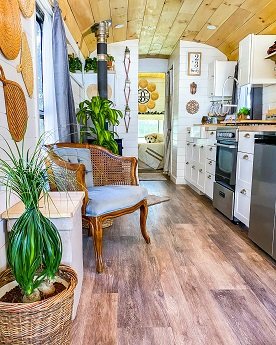
In contemporary urban living, the challenge of limited space has become increasingly prevalent. This necessity has driven the popularity of space-saving furniture which serves to maximize both the aesthetics and functionality of small homes and apartments. The integration of multifunctional furniture pieces is an effective solution for homeowners who wish to optimize their living areas without sacrificing style or comfort.
One of the primary reasons for the elevation of space-saving furniture in design considerations is the evolving nature of city living. Many individuals and families are opting for smaller residences, whether due to economic considerations or lifestyle choices. In this context, the demand for items that serve multiple purposes is essential. For instance, a sofa bed or a convertible coffee table can provide a functional solution for accommodating guests while maintaining a comfortable living space during daily activities.
Moreover, embracing space-saving furniture contributes significantly to enhancing mobility and versatility within a home. The adaptability of such furniture allows for easy reconfiguration of spaces, catering to various needs, whether it’s entertaining guests, working from home, or simply enjoying personal time. This flexibility fosters an environment where every square inch counts, encouraging a thoughtful approach to interior design that prioritizes usability.
Another noteworthy benefit of space-saving solutions is their potential to cultivate a clutter-free environment. By consciously selecting pieces that efficiently use space, residents can minimize unnecessary belongings, promoting a more organized and serene atmosphere. The aesthetic appeal that accompanies cleverly designed furniture can also elevate the overall ambiance of tight quarters, proving that limited space need not hinder creative expression.
Stylish and Functional Space-Saving Furniture Solutions
In small homes, maximizing utility without compromising style is paramount. Space-saving furniture provides innovative solutions that address both aesthetic appeal and practicality. Various types of space-saving furniture, including folding tables, wall beds, nesting furniture, and ottomans with storage, play a crucial role in optimizing limited living areas.
Folding tables are a versatile addition to any small home. They can be easily packed away when not in use, freeing up valuable floor space. Available in various designs, from sleek contemporary pieces to rustic farmhouse styles, folding tables can seamlessly integrate into existing decor while providing a functional dining or work surface. Choosing a table with a lightweight design ensures ease of use, making it a perfect option for hosting guests or casual family meals.
Wall beds, also known as Murphy beds, have evolved significantly in design. These pieces of furniture allow for a bed to be folded up against the wall when not in use, thereby transforming a bedroom into a multi-purpose space. Modern wall beds often come with built-in shelves or desks, enhancing functionality that can accommodate a home office setup. This adaptability makes wall beds an essential consideration for small living spaces.
Nesting furniture is another clever solution, often comprised of smaller tables or stools that fit neatly within each other. This type of furniture offers flexibility and can be arranged in various configurations to suit different needs and occasions. From stylish coffee tables to accent chairs, nesting furniture adds both decorative flair and adaptability to a room.
Ottomans with storage capabilities combine comfort with functionality, serving as a footrest, additional seating, or even a coffee table. In smaller homes, these versatile pieces can provide hidden storage for books, blankets, or other essentials, helping to maintain an organized environment. Incorporating these stylish armatures can enhance the overall decor while addressing the fundamental need for storage.
DIY Space-Saving Furniture Ideas
Creating your own space-saving furniture can not only enhance the functionality of your small home but also allow for a unique touch that reflects your personal style. Here are several innovative and budget-friendly DIY projects that utilize readily available materials, enabling you to maximize your living area without the need for costly investments.
One popular idea is the construction of a Murphy bed. This versatile piece can transform a small bedroom or studio into a multifunctional space. To build one, you will need a plywood sheet, a foldable bed frame, and a set of hinges. Begin by cutting the plywood to the desired dimensions for the bed’s facade. Attach the hinges to the frame and securely fasten it to the wall. Once completed, this bed can be folded up during the day, allowing for additional floor space.
Another excellent option is a modular shelving unit. This type of shelving is both adaptive and aesthetically pleasing. You can source reclaimed wood or use inexpensive particleboard to create a custom shelving system. Start by measuring your wall area and cutting your boards accordingly. Utilize brackets to mount the shelves to the wall, ensuring they are evenly spaced for a unified look. This not only provides storage but also allows for decorative displays, contributing to the room’s ambiance.
Lastly, consider upcycled furniture like a coffee table with storage. You can repurpose an old dresser into a chic coffee table that features drawers for hidden organization. Paint the dresser in a color that complements your home decor, and place a glass top for a touch of elegance while retaining the storage capacity.
These DIY space-saving furniture ideas illustrate how creativity, resourcefulness, and a little DIY skill can lead to functional solutions in compact living spaces, enhancing both style and utility.
Tips for Choosing and Arranging Space-Saving Furniture
When selecting space-saving furniture for small homes, accurate measurements are crucial. Before making any purchases, ensure to measure each room and identify areas where furniture will be placed. This allows for a clear understanding of the dimensions available and helps in choosing pieces that fit seamlessly within the confines of the space.
Additionally, consider the flow of movement within each room. Furniture arrangement should allow for easy navigation without blocking entryways or pathways. Aim to create a balanced layout that imparts a sense of openness, making the area feel more spacious. Using furniture that can be easily moved or reconfigured contributes to this fluidity and optimizes the functionality of your space.
Incorporate pieces that not only meet practical needs but also reflect your personal style. Opt for colors and designs that resonate with you, as this contributes to a harmonious living environment. Furniture that doubles as storage, such as ottomans or beds with drawers, can be both stylish and functional, enhancing the overall aesthetic without compromising on utility.
Moreover, be wary of common mistakes when choosing and arranging space-saving furniture. One frequent error is overcrowding a space with too many items, which can create a cluttered appearance. Stick to a minimalist approach by selecting fewer, multifunctional pieces instead of multiple singular-use items. Also, avoid placing large furniture against the walls, as this can make the room feel smaller. Instead, experiment with different layouts that encourage an open feeling.
By adhering to these tips, homeowners can effectively choose and arrange space-saving furniture that not only maximizes efficiency but also enriches their living experience in small homes.